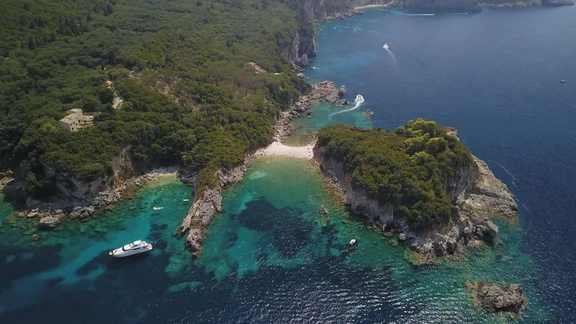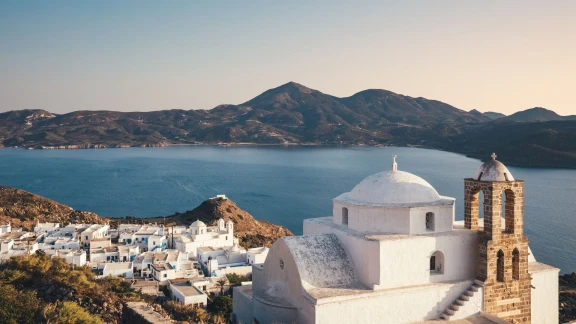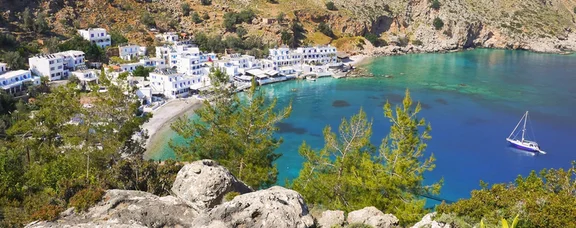


White houses, blue domes, summer crowds: the Cyclades drag a few clichés behind them. But behind the postcard of Santorini hides an archipelago far richer and gentler than you imagine: green in places, delicious, deserted in spring, criss-crossed by thousand-year-old paths.
Twelve statements, and it is up to you to sort the true from the false. Each answer wrings the neck of a received idea (or confirms a pretty one). Enough to see the Cyclades differently.
To go further, try the great Greece quiz or discover which Greek island is right for you.
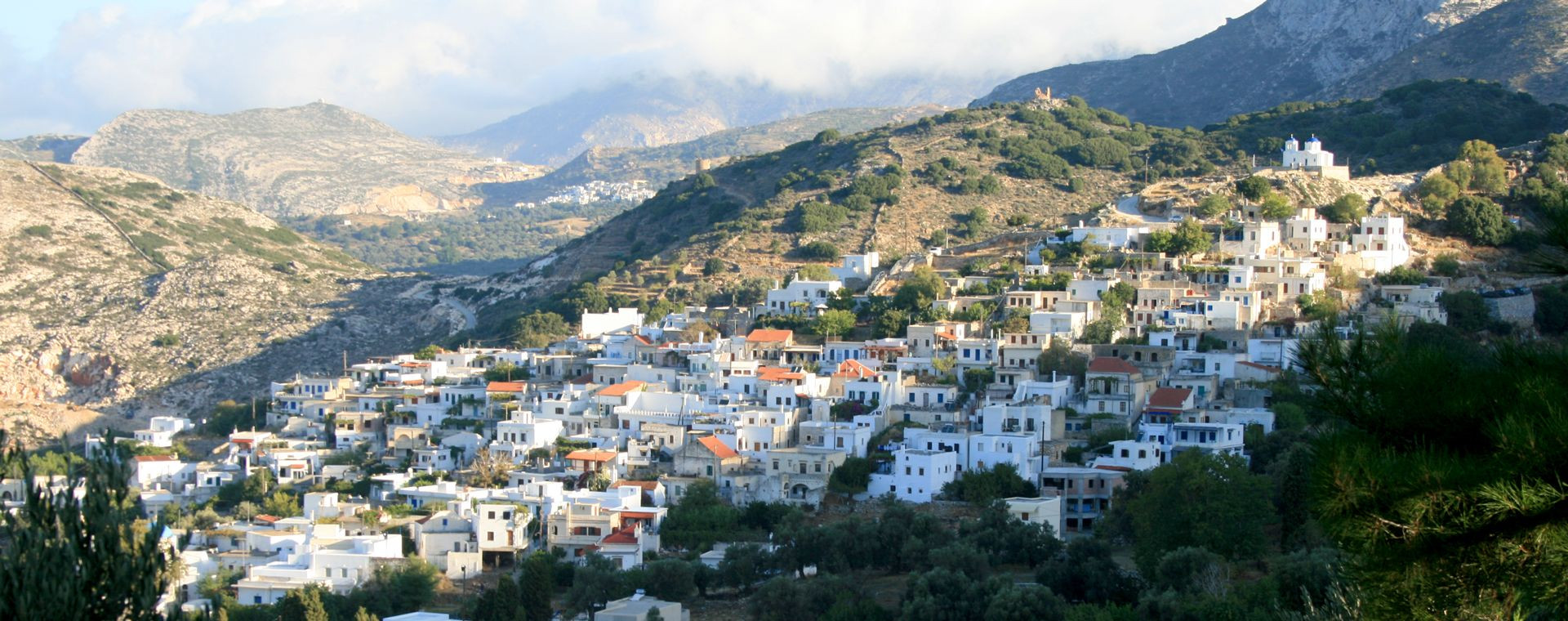
All the Cyclades look like Santorini, with its blue domes and its caldera.
Explanation False! Each island has its own face: Sifnos the delicious, Amorgos the wild, Tinos the marble island, Naxos the mountainous.
The Cyclades can only be discovered in high summer.
Explanation False: spring (April-June) and autumn (September-October) are the finest walking seasons, with flowering paths and golden light.
The Cyclades are reserved for sporty, well-trained walkers.
Explanation False: the kalderimia, those paved paths linking the villages, are walked gently, at your own pace.
The "meltemi" is a traditional dish of the Cyclades.
Explanation False: the meltemi is the north wind that cools the Aegean in summer. Not to be confused with revithada!
The houses of the Cyclades are whitewashed with lime, in particular to reflect the heat.
Explanation True: lime throws back the sun and also served as an antiseptic. The famous blue became general later.
Delos, sacred island of Apollo, has no permanent inhabitants today.
Explanation True: Delos is a vast uninhabited archaeological site; you visit it from nearby Mykonos.
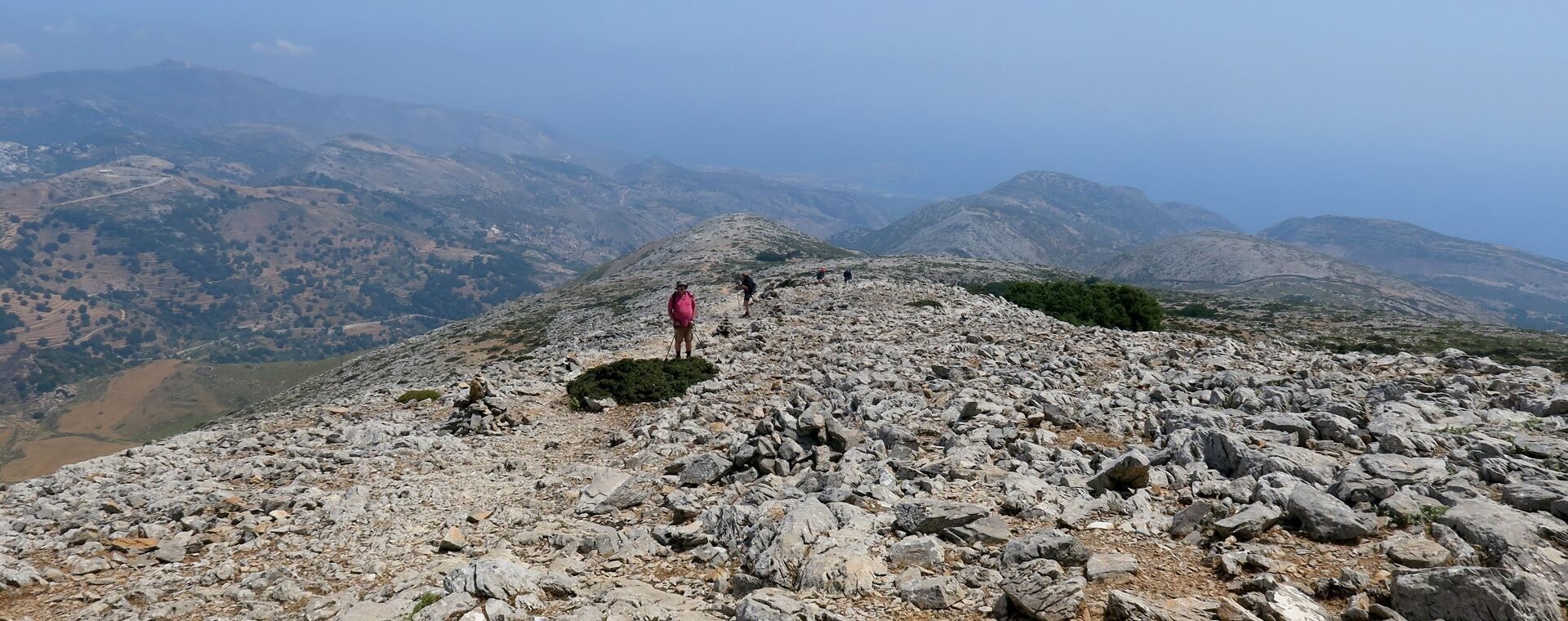
Naxos is the largest of the Cycladic islands.
Explanation True: Naxos is the largest and the highest of the Cyclades, with Mount Zas at 1,004 m.
Mount Zas, on Naxos, owes its name to the god Zeus.
Explanation True: "Zas" is a form of "Zeus"; a cave at the summit was consecrated to him.
Sifnos is known for its potters and its gastronomy.
Explanation True: Sifnos, gourmet capital of the Cyclades, keeps alive the art of pottery and of dishes simmered in earthenware.
The Cyclades can only be reached by plane.
Explanation False: a dense ferry network serves the Cyclades from Piraeus and between the islands — the finest way to travel there.
The caldera of Santorini was shaped by a gigantic volcanic eruption.
Explanation True: the Minoan eruption, some 3,600 years ago, extensively reshaped the caldera and formed the island’s present landscape.
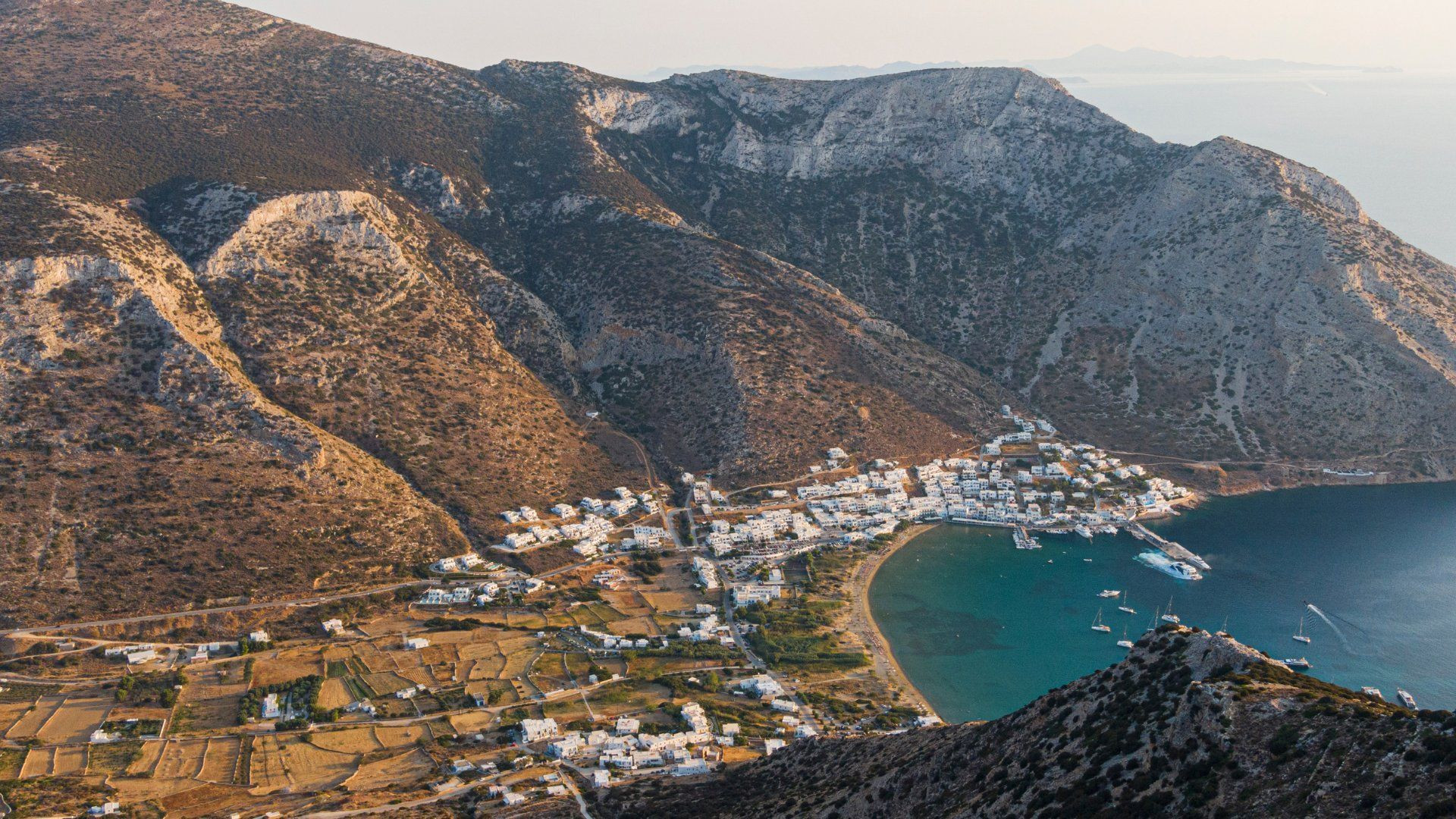
Serifos and Sifnos, neighbours, offer fine coastal paths far from the crowds.
Explanation True: these two more discreet Cyclades appeal to walkers in search of calm and authenticity.


Would you like our next quizzes and our travel ideas for Greece?
The Cyclades, beyond the postcard
The best way to get past the clichés is still to go walking. Far from the crowds of summer, the Cyclades of spring and autumn reveal flowering hills and deserted kalderimia, where the villages still seem asleep. Naxos and its mountain, Sifnos and its table, Amorgos and its silence, Milos and its coves: so many islands, so many atmospheres.
At Kelifos, specialists in walking holidays in Greece for more than forty years, we organise crossings, transfers and charming addresses so that you have only to walk. Self-guided or on a guided trip, at your own pace.
Continue reading
- The most beautiful villages in the Cyclades, savoured without the crowds
- Which Cyclades island to choose for the trip you have in mind?
- Which Greek island is right for you? The complete guide
- A Cyclades Getaway: between sea and light
- When to Visit Greece: Our Month-by-Month Guide
Article written by
Maria Papadopoulou (Μαρία Παπαδοπούλου)
Editorial lead
I hike, and Greece is the place I keep coming back to. My initial studies (a Master’s in Marketing and a degree in Applied Foreign Languages) taught me how to build an editorial project, and the trails taught me the… Read more