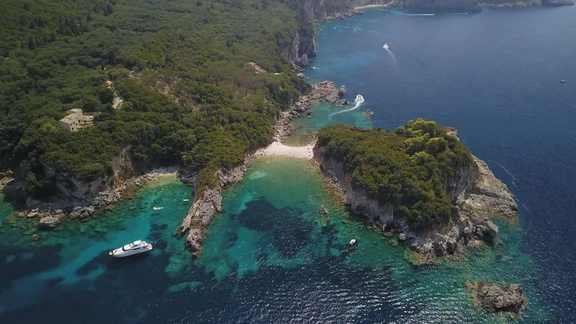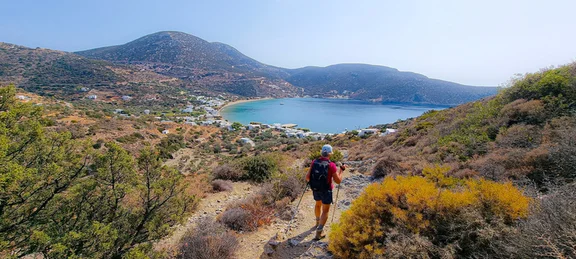


You dream of Greece on foot, you are hesitating between big Crete and the small Cyclades, and that is quite natural: they are 2 very different promises. On one side, an island-continent where you drive from gorge to village and from beach to plateau, at your own pace behind the wheel. On the other, a string of white islands linked by ferry, moving from one harbour to the next the way you turn the pages of a notebook. Crete or the Cyclades, the right answer depends above all on you: on the kind of walking and eating you like, and on the way you like to travel. Here, from a friend who knows both well, is enough to let you decide calmly.
| In brief | Crete: a big island to explore by car, mountains, gorges and generous cooking. Cyclades: white islands linked by ferry, luminous villages and the sea everywhere. |
|---|---|
| Choose Crete if… | You like varied walking, wide landscapes, driving to explore as you please, and a hearty table. |
| Choose the Cyclades if… | You prefer short walks, the atmosphere of white villages, swimming within easy reach and the charm of island-hopping. |
| Best season | May-June and September-October, ideal mildness for walking and swimming. |
| Pace | Gentle on both sides, at your own rhythm. |
| Our holidays | Crete self-guided or guided; Cyclades self-guided or guided. |
Crete, an island-continent to explore at your ease
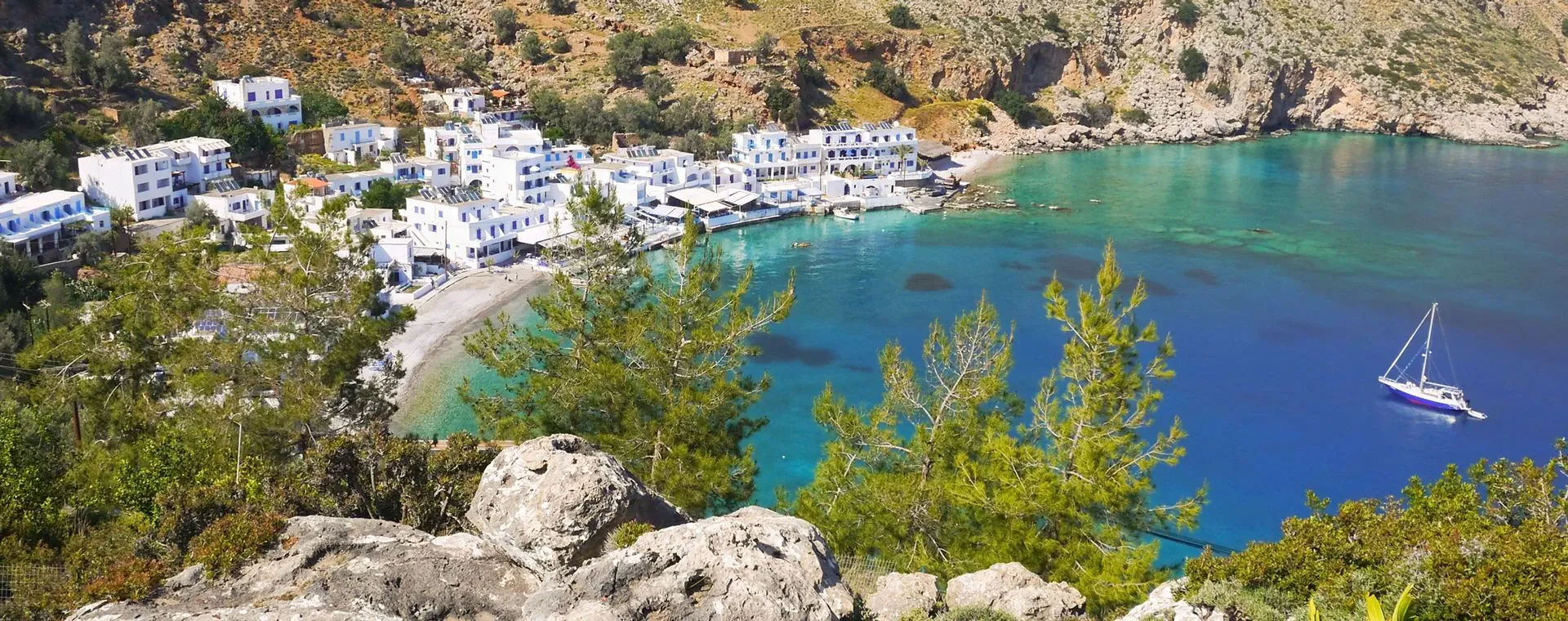
The first thing to grasp is the scale. Crete is the largest island in Greece, more than 250 kilometres from east to west, with real mountains (the White Mountains rise above 2,400 metres) and a hinterland where you drive a long way between olive groves, plateaux and perched villages. You come for the variety: a morning facing the Venetian harbour of Chania, the afternoon with your feet in the pink sand of Elafonissi, and the next day in the coolness of a gorge lined with oleander.
For walking, this is where the choice is widest. The famous Samaria gorge, in the White Mountains, is among the longest in Europe and is listed as a UNESCO biosphere reserve. But Crete is not summed up by that great classic: there are more confidential valleys such as the Agia Irini or Aradena gorges, coastal paths towards the village of Loutro (which you can only reach on foot or by sea), and gentle walks around the Minoan palaces. You vary the pleasures, from the shaded path to the seaside stroll.
The table, finally, is part of the journey. Cretan cooking is generous and famous for its longevity: olive oil in abundance, garden vegetables, mountain cheeses, fish grilled in the fishermen's tavernas. You eat heartily and very well, in complete simplicity.
The Cyclades, the joy of hopping from island to island
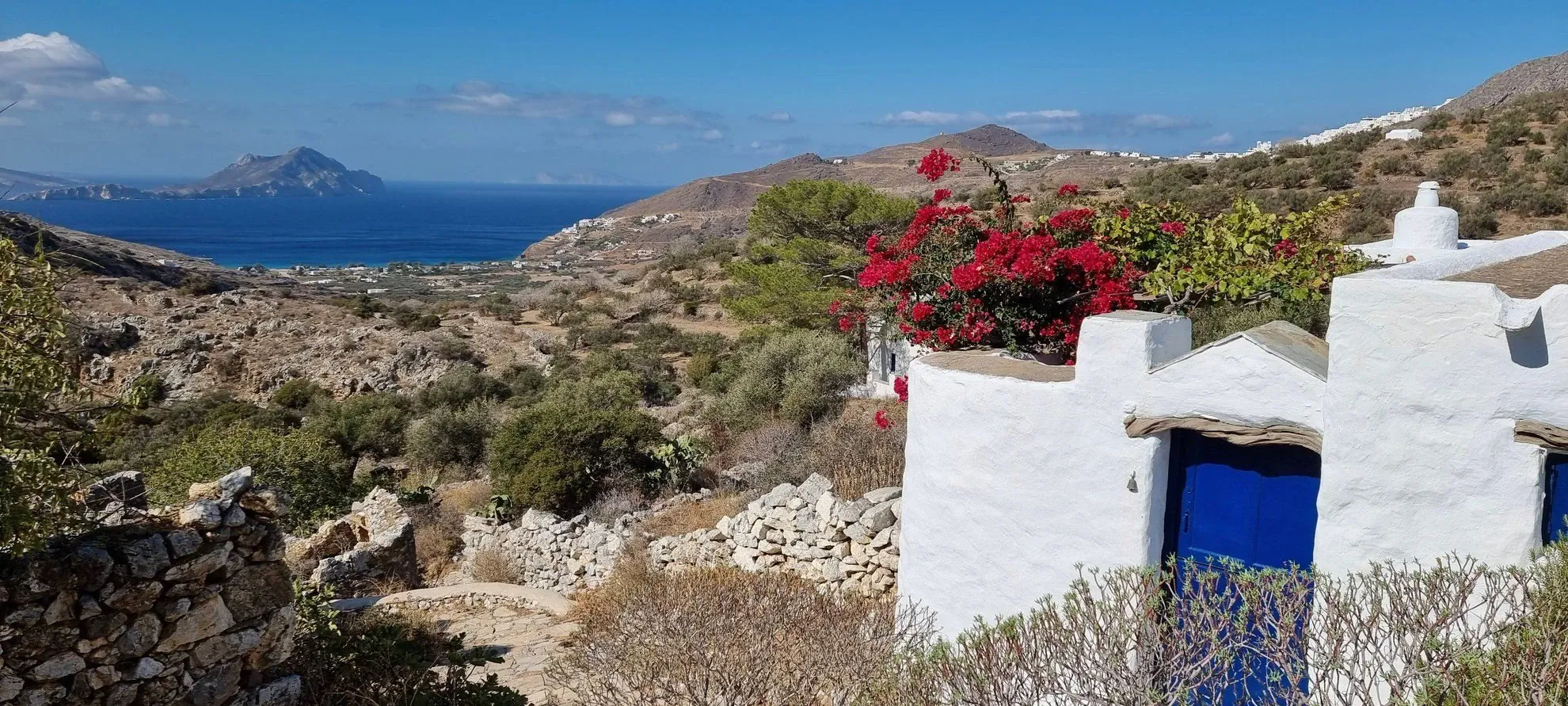
A complete change of atmosphere. The Cyclades are those white and blue islands of the Aegean that you link by ferry, composing your trip island after island. You do not "do" a single great landmass: you taste several characters in a few days. Green Naxos and its olive valleys, wild Amorgos and its monastery clinging to the cliff, delicious Sifnos and its hundreds of chapels, Milos sculpted by volcanoes. Each crossing is a small interlude, the wind on deck, the island growing on the horizon.
Here the sea is never far. The walks are often shorter than in Crete and follow the kalderimia, those old flagged paths that have linked villages, monasteries and coves for centuries. A morning walk on a stone path, a swim in turquoise water, lunch in the shade of an arbour: the pace is gentle and the setting always within sight. For anyone who loves villages of immaculate lanes, terraces facing the sunset and small harbours that come alive in the evening, the Cyclades have a charm that is hard to match.
On the practical side, the freedom of the ferry has its counterpart: the timetable is set by the boats. With an organised trip, crossings and hotels are booked in advance, and your luggage travels with you from island to island. You have only to turn up at the port.
When to go, and how to get there
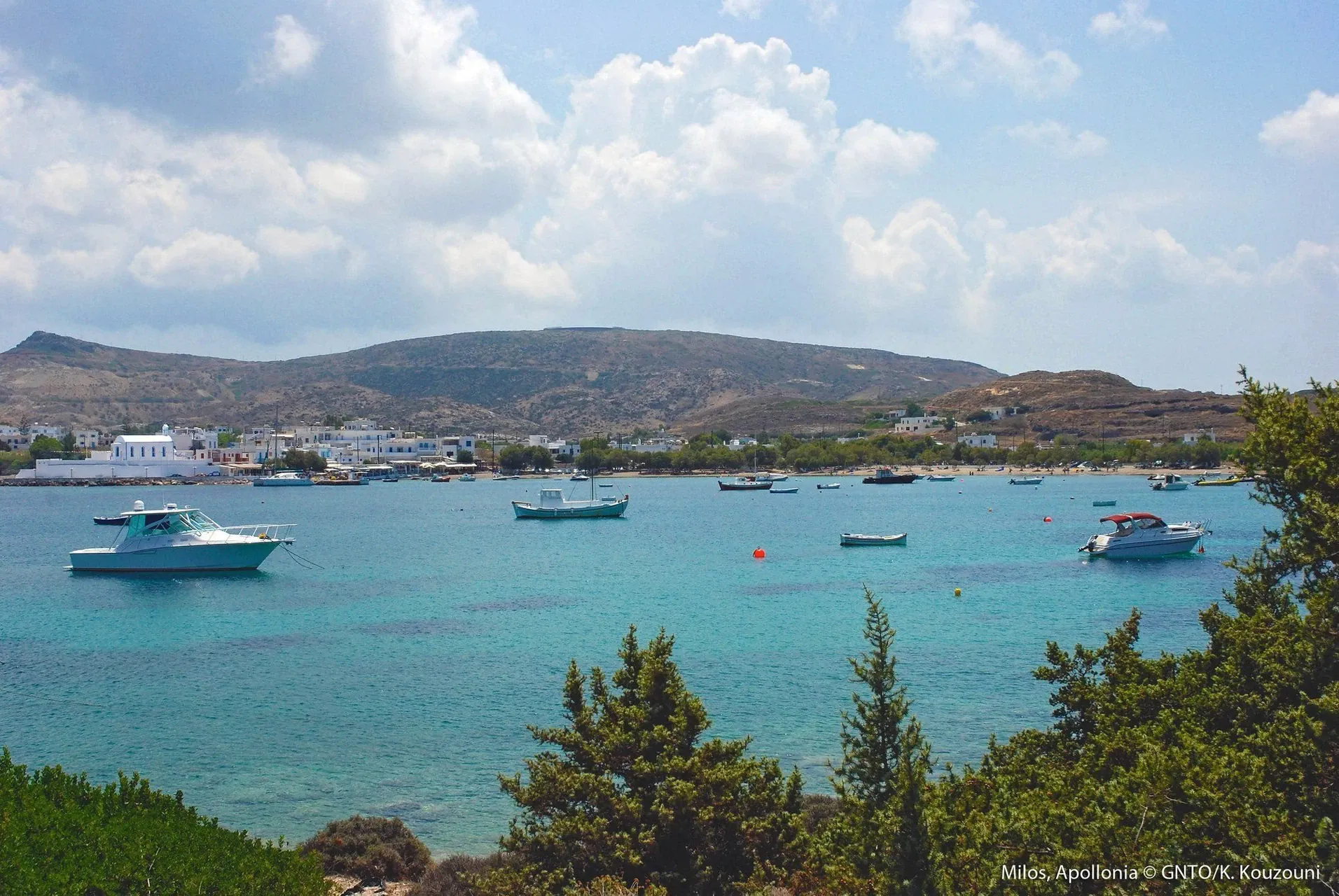
On both destinations, the fine season for walking and swimming runs from spring to autumn. May, June, September and October offer the prettiest light, mild temperatures and sites less busy than in high season. At the height of summer, the heat simply invites you to set off early in the morning and savour a siesta in the afternoon, as the Greeks do.
For access, the two worlds do not quite meet. Crete has its own airports, at Heraklion and Chania, and you reach the island directly from several European cities; once there, it is the car that leads the dance. The Cyclades are most often reached via Athens, then by ferry from Piraeus, the capital's great port. That arrival by sea is part of the charm: you head out, and the journey begins the moment you board. Just bear in mind that connections between small islands are more frequent in high season than at the edges of the year.
One last reassuring thing: in both cases, you do not have to untangle the ferry timetables yourself or hunt down each hotel. That is precisely what we organise for you, with forty years of habit of walking Greece.
The verdict, according to the traveller you are
Rather than naming a winner, let us look at what really counts for you.
For a first time in island Greece
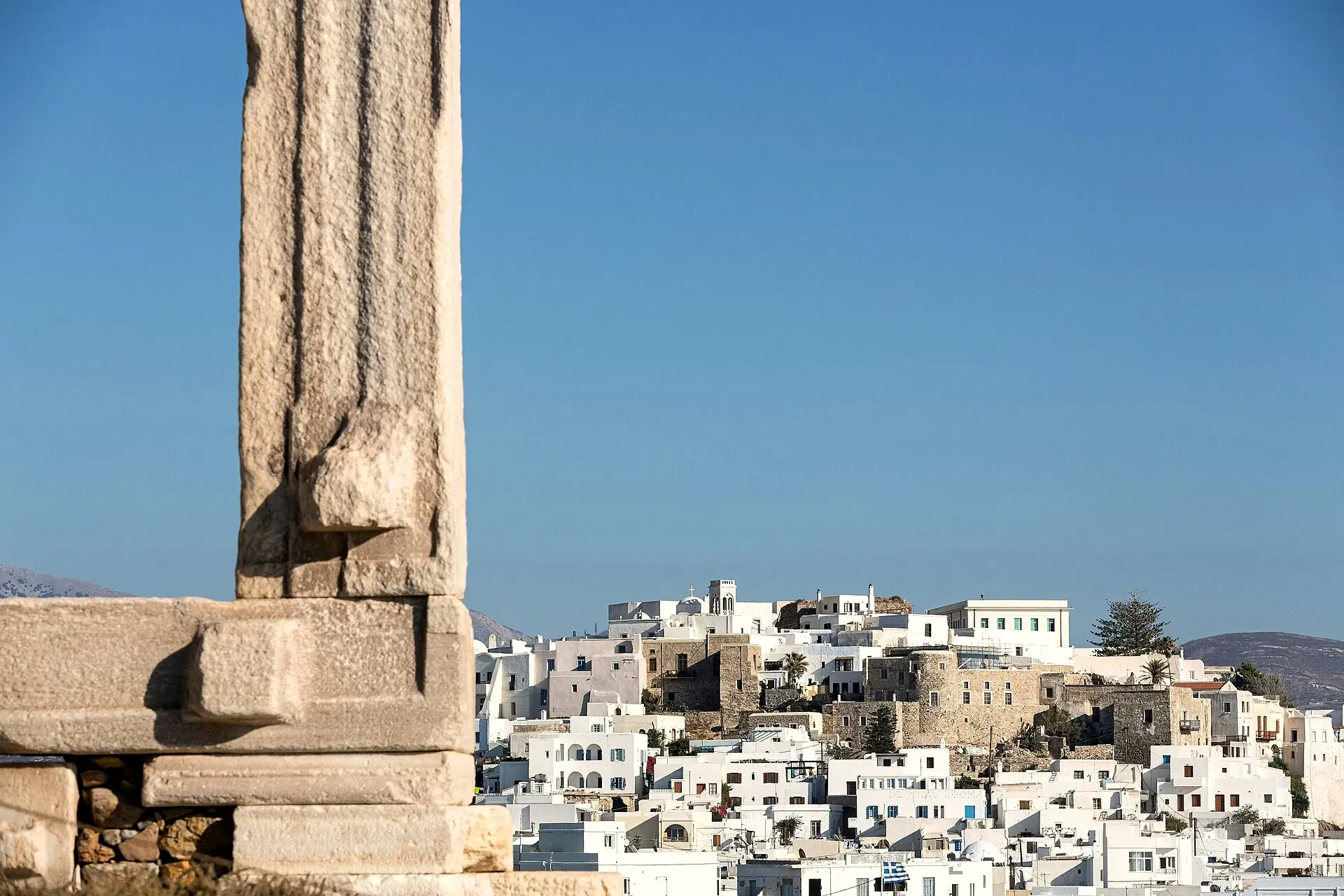
Crete offers the most complete picture in a single trip: historic towns, gorges, beaches and mountains, without changing island. If you want to "see everything" of Greece on foot on a first journey, it is a safe bet. The Cyclades, for their part, give straight away the image many people are looking for: white houses, blue domes, luminous harbours. For a very postcard first encounter, they win you over immediately.
For walking
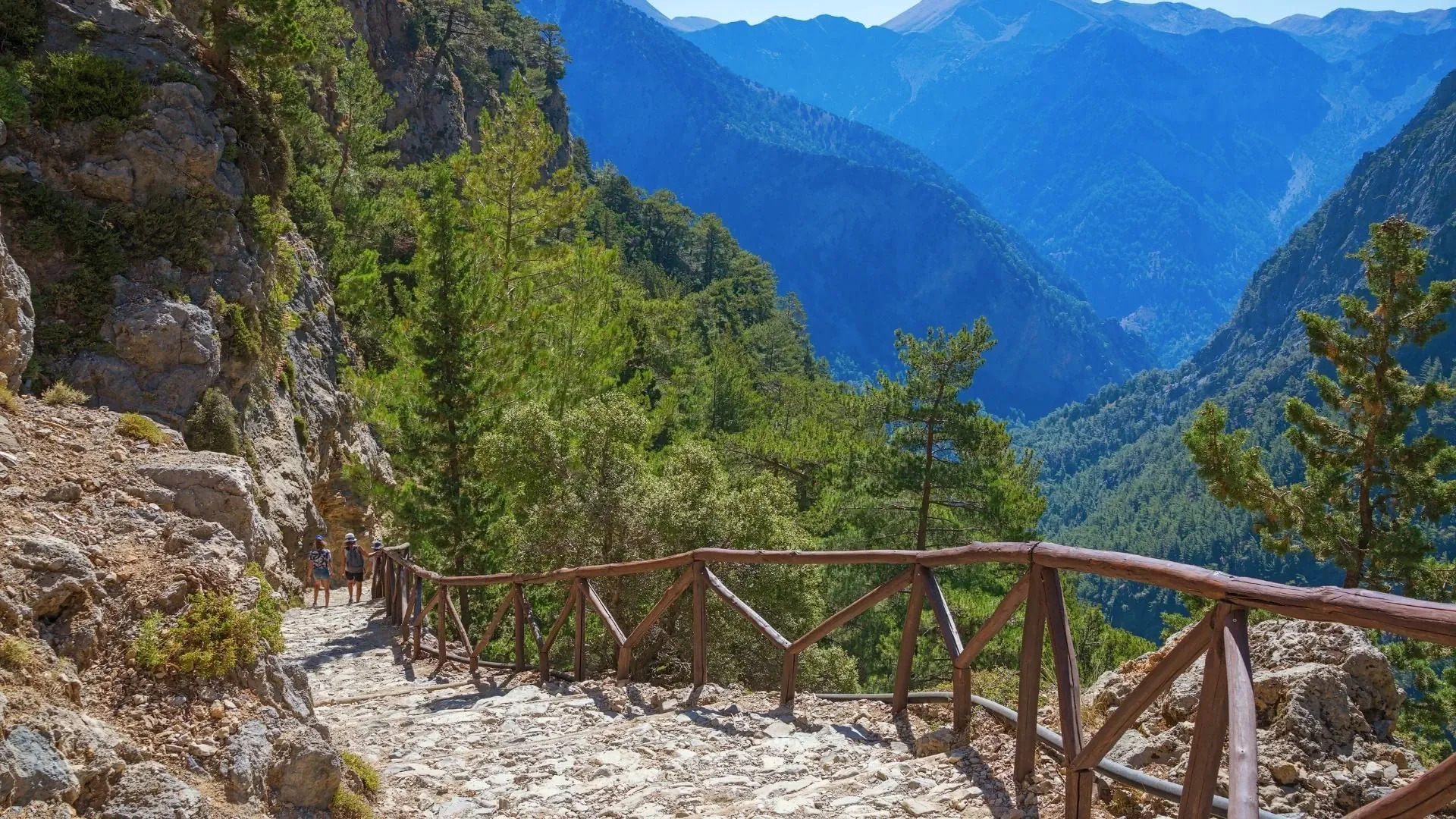
Advantage Crete if you like to walk longer and more variously: you find fine full days of path as well as quiet strolls, in settings that change completely. The Cyclades favour shorter routes, often flagged and easy to follow, punctuated by swimming stops. The pleasure of walking there is quite real, but in lighter doses.
For food
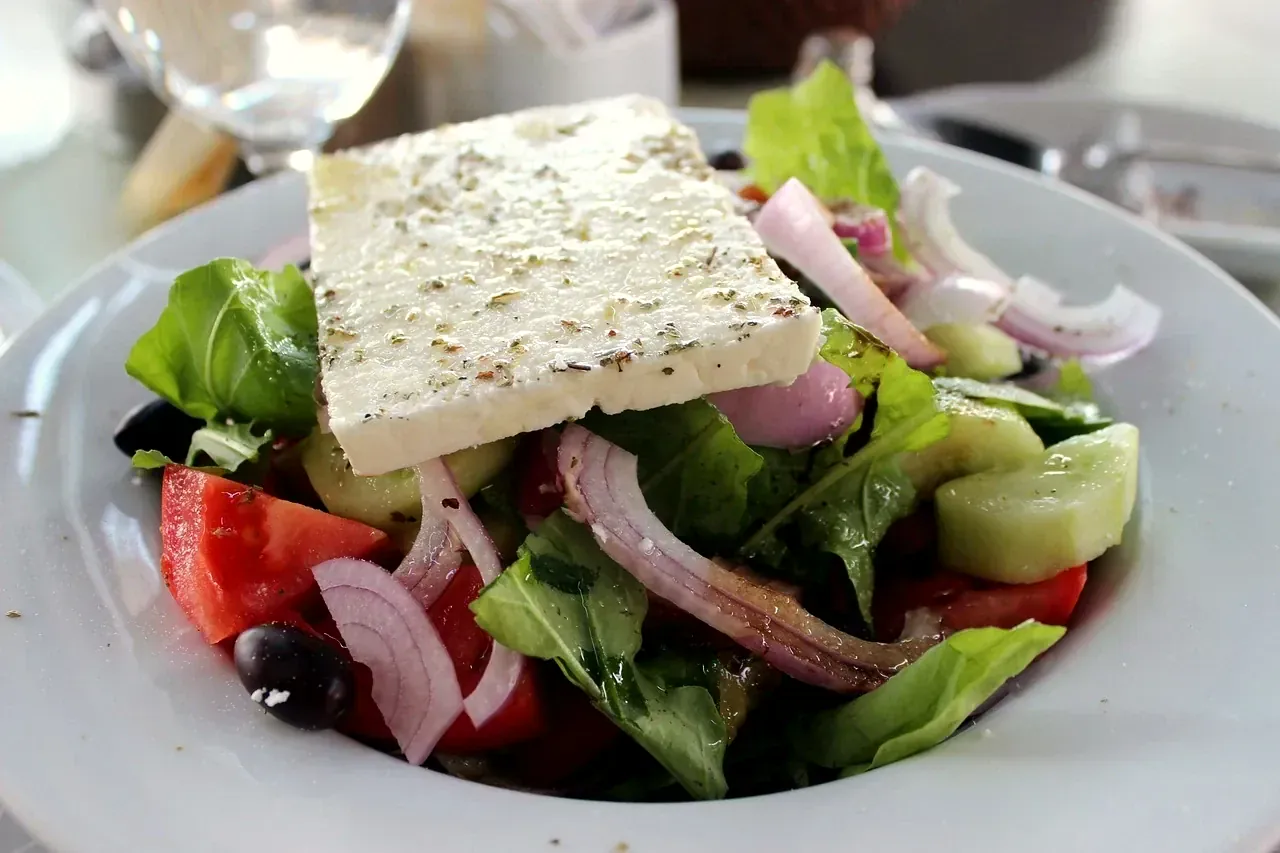
A close match, and that is good news. Crete impresses by the abundance and the health reputation of its cooking, built around olive oil and mountain produce. The Cyclades cultivate a more island-flavoured appetite, varying from one island to the next: simmered chickpeas and capers on Sifnos, local cheeses, fish from the coves. In both cases, the evening taverna is an appointment.
For the length of the trip
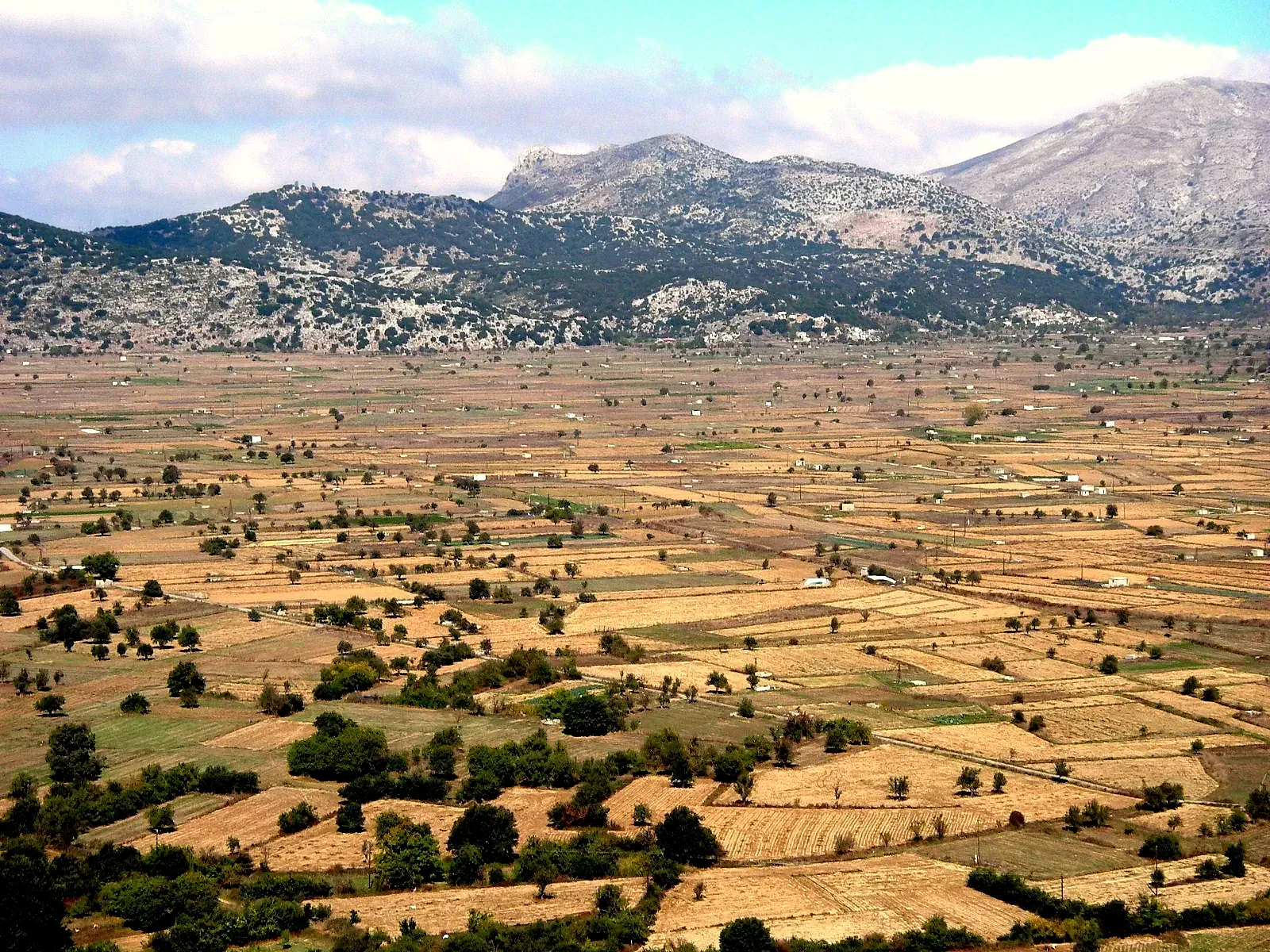
A large island like Crete deserves time to unfold: reckon on a good week, ideally more, to link the coast, the gorges and the hinterland without rushing. The Cyclades are also enjoyed over ten days or so, time to discover two or three islands at a settled pace, without multiplying crossings. If your week is short, a single Cycladic island is enough for a change of scene. Crete, for its part, asks you to linger.
For mobility and independence
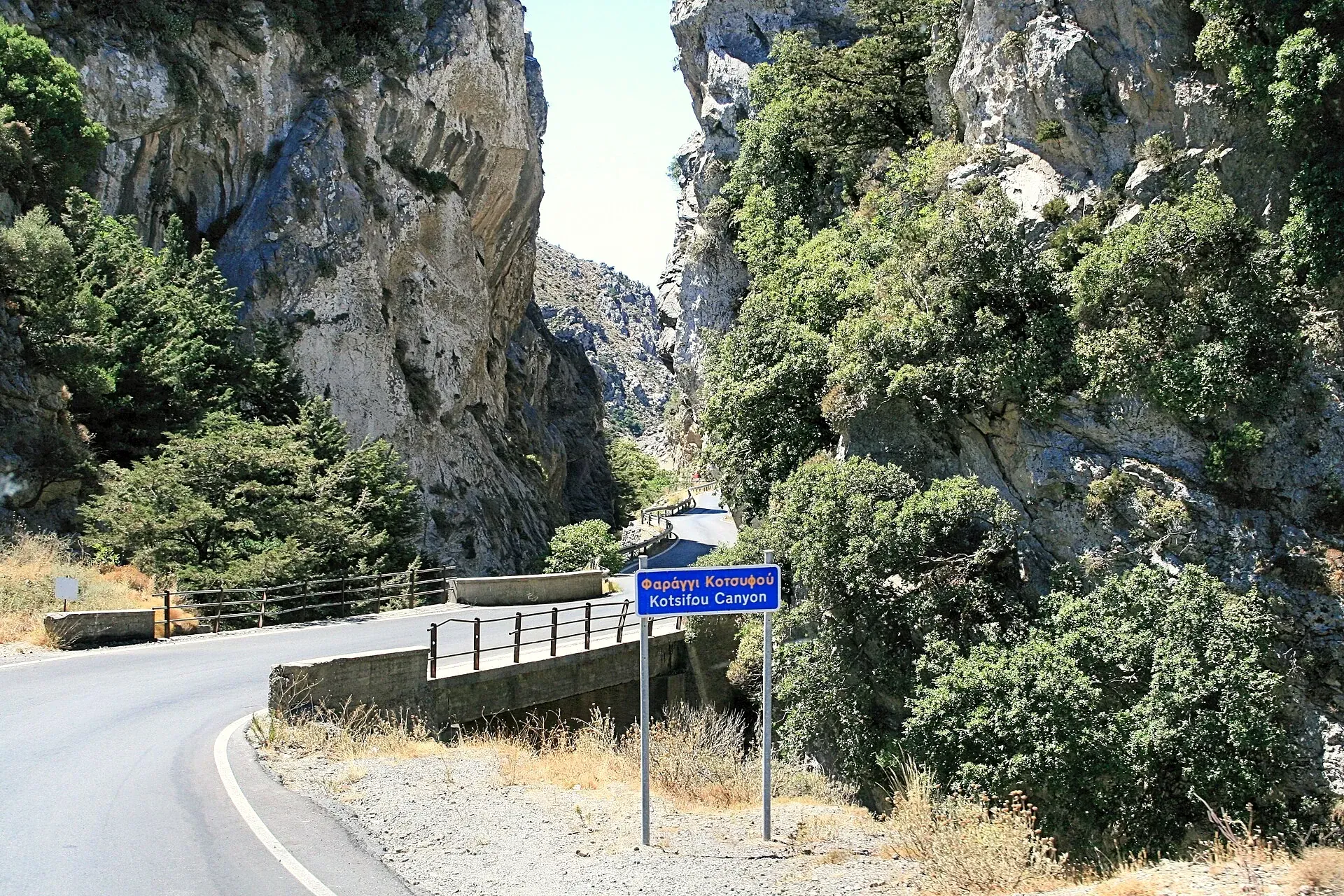
This is probably the criterion that settles it most. Crete is lived by car, in the manner of a self-drive trip: you are free with your timetable, you stop where you like, but you have to be comfortable driving on sometimes winding mountain roads. The Cyclades rest on the ferry and on short local journeys: no need to drive for long, but the trip is set by the boat timetables. If driving does not tempt you, the islands will carry you along quite naturally.
What if you combined the two?
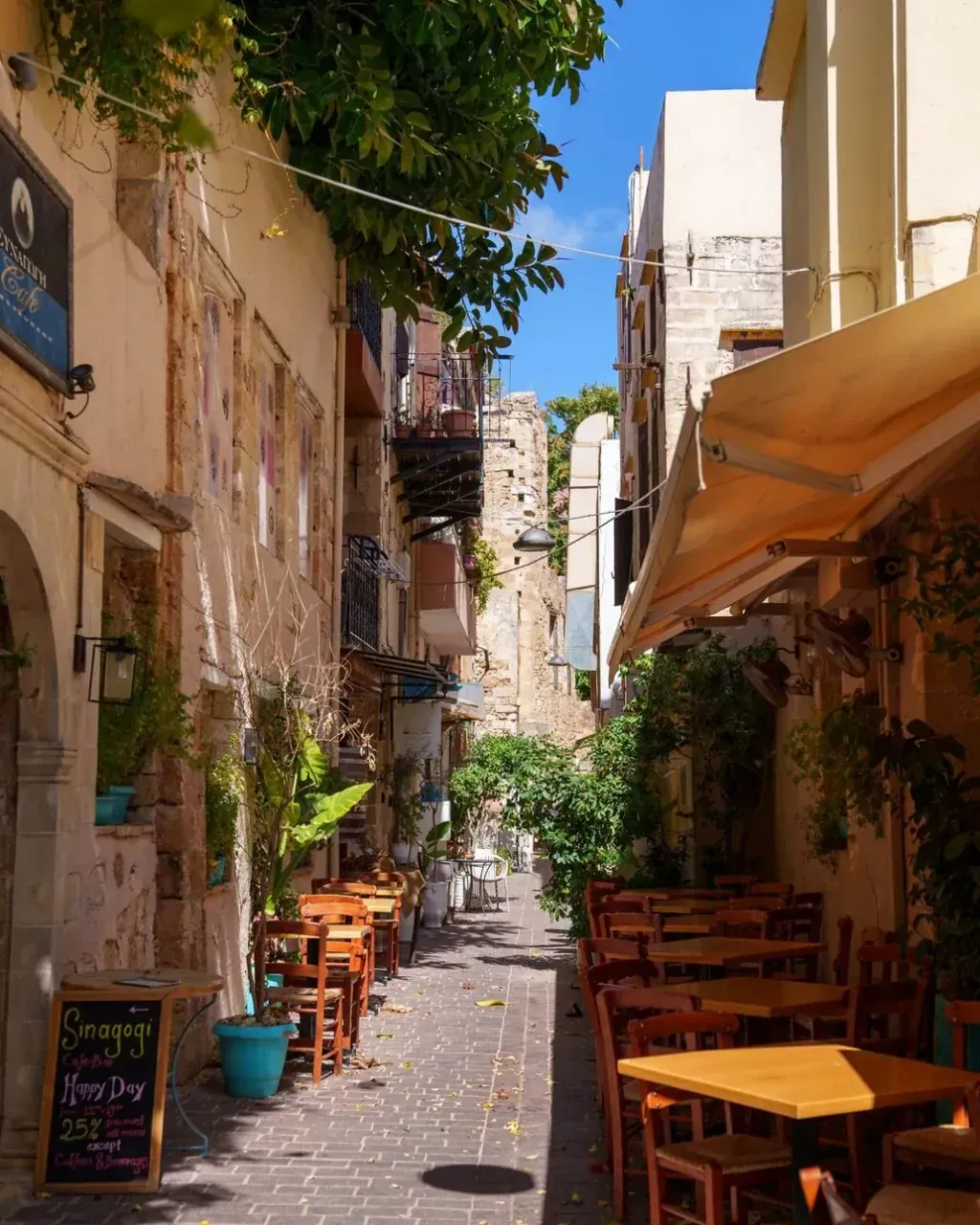
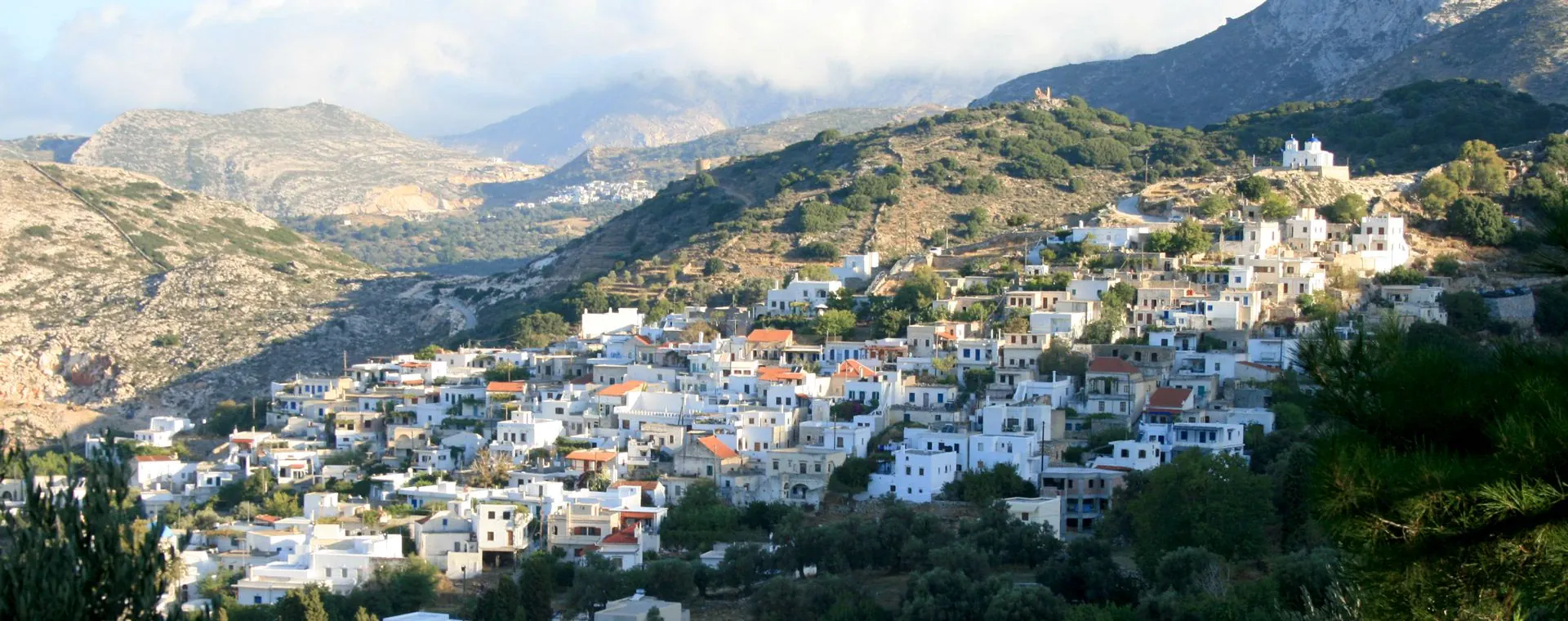
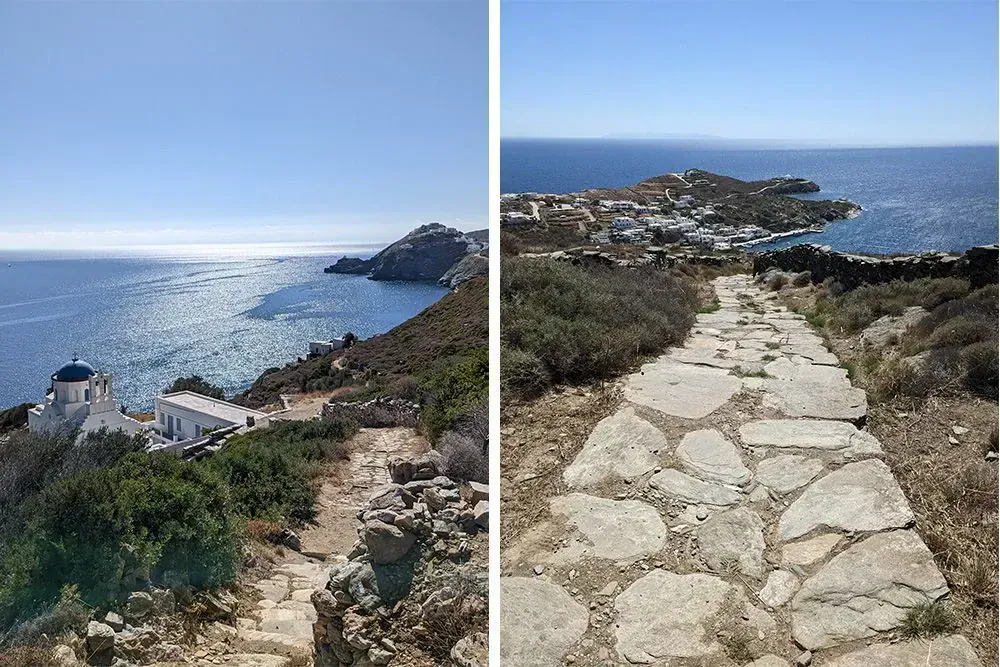
Good news: it is not always one against the other. Many travellers begin with the Cyclades for the village atmosphere, then head for Crete for the wide open spaces, or the other way round. And nothing obliges you to go back through Athens: in summer, a direct ferry links Heraklion to Santorini, from where you easily reach the rest of the Cyclades, which makes pairing the two simpler than it looks. On a first trip, it is still better not to string everything together: you get more out of it by taking the time for a single world. Keep the other for next time, and you will have an excellent reason to come back.
To refine your choice, two simple leads: explore our holidays in Crete first, then those in the Cyclades, and let the itineraries speak to you. On the Cretan side, the self-guided holiday Crete, island of wonders follows the beautiful south coast at your own pace, while the guided version Crete, the fantastic voyage adds the palace of Knossos and an English-speaking leader. On the Cycladic side, Naxos and Amorgos self-guided marries a generous island with a wild one, and the guided trip Sifnos, Milos and Kimolos reveals three confidential islands, flagged paths and turquoise coves.
Whatever you decide, you will be in good hands: charming addresses booked, luggage carried, crossings and transfers organised. You have only to choose your Greece and enjoy it.
Frequently asked questions about choosing Crete or the Cyclades
Crete or the Cyclades for a first time in Greece?
For a first trip, Crete has the advantage of bringing everything together in one place: Venetian towns, gorges, mountains and beaches, without ever changing island. The Cyclades, for their part, offer straight away the postcard image many are looking for, white houses and blue domes above the sea. If you want the fullest palette in a single holiday, choose Crete; if it is the atmosphere of the Aegean villages that makes you dream, head for the Cyclades.
Crete or the Cyclades for walking?
Both are discovered magnificently on foot, at a quiet and always accessible pace. In Crete the paths are the most varied and the landscapes the widest: famous gorges such as Samaria, confidential valleys at Agia Irini, coastal paths towards the village of Loutro. In the Cyclades you follow the kalderimia, those old flagged paths that link villages and coves, for shorter walks punctuated by swims. To prepare your itineraries, the Anavasi maps cover Greece well, and our self-guided holidays, such as Crete, island of wonders, give you detailed route notes and the tracks, with nothing to organise yourself.
Crete or the Cyclades with the family?
Crete suits families well: a single island, the freedom of the car, easy beaches and gentle walks between two swims. The Cyclades appeal through short walks on the flagged paths and the sea always within reach, with ferry crossings that quickly become a game for children. In both cases, you alternate the morning path and the afternoon swim without effort, at whatever pace suits everyone.
How many days should you allow in Crete or the Cyclades?
A large island like Crete deserves a good week, and rather 10 to 15 days to link the coast, the gorges and the hinterland without rushing. In the Cyclades, reckon on about ten days to savour two or three islands at a settled pace. If your week is short, a single island is amply enough for a change of scene. In every case, it is better to linger a little than to multiply the stages.
Your question is not on this list?
Write to us, and we will reply to you personally by email.
Continue reading
- Which Cyclades island to choose for the trip you have in mind?
- Which Greek island is right for you? The complete guide
- The Best Hikes in Crete
- Hiking in Greece: the best trails island by island
Article written by
Maria Papadopoulou (Μαρία Παπαδοπούλου)
Editorial lead
I hike, and Greece is the place I keep coming back to. My initial studies (a Master’s in Marketing and a degree in Applied Foreign Languages) taught me how to build an editorial project, and the trails taught me the… Read more