There is, in the far north-west of Greece, a country the postcards have forgotten. No turquoise sea here, but mountains covered in forest, villages built entirely of grey stone clinging to the relief, and old arched bridges spanning rivers of an unreal transparency. This is the Zagori. At its heart it keeps the Vikos gorge, counted among the deepest in the world. A corner of Greece you come to for the silence, the low morning light and the gentleness of another age.
| In brief | A Greece of mountains, made of stone and forests, far from the beaches and the crowds |
| Ideal for | Lovers of nature, of authentic villages and of peaceful heritage |
| Best season | Late spring (May, June) and autumn (September, October) |
| Pace | Gentle: viewpoints, village walks and swims, at your own rhythm |
| Our trip | Free inspiration, to be combined with a tour of mainland Greece |
Epirus, the Greece you would never suspect
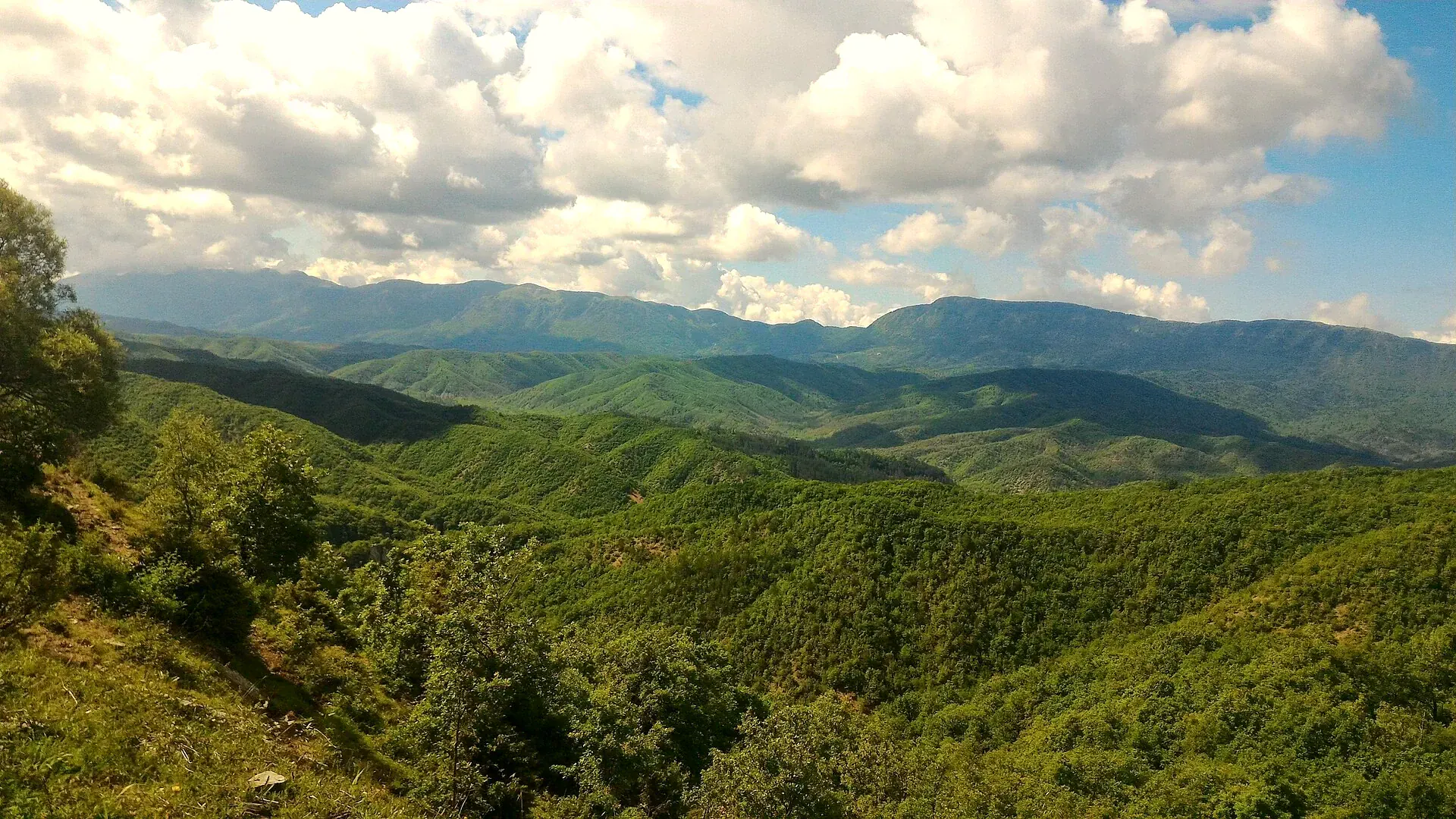
When people think of Greece, they picture islands, white windmills and the Aegean. The Zagori tells another story. We are in Epirus, in the north-west of the country, where the Pindus range raises its crests along the Albanian border. Here there is no coastline as far as the eye can see, but wooded heights, cool springs and a mountain air that surprises those who expected nothing from Greece but sun and salt.
It is a region that long lived folded in on itself, linked to the rest of the world by simple mule tracks. That isolation protected it. In 2023, UNESCO inscribed it on the World Heritage list under the name “Zagori cultural landscape”, the very first recognition of its kind for Greece. What is being saluted is not a monument, but a rare balance between villagers and their mountain, patiently shaped over the centuries.
The stone villages of the Zagori
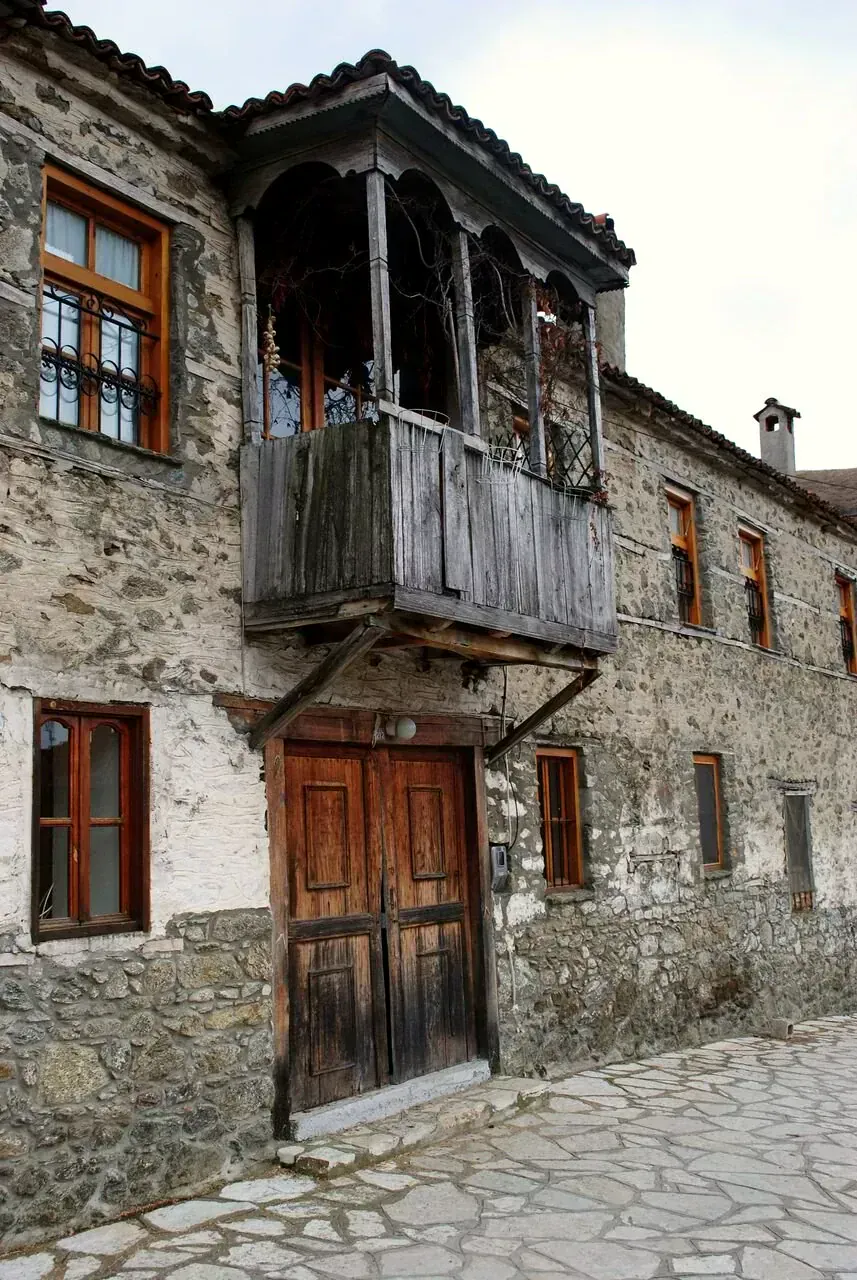
These hamlets are called the zagorochoria: forty-six villages scattered over the slopes of the Pindus, all built in the same grey stone drawn from the mountain. Slate roofs, cobbled lanes, stone stairways, low walls holding back the earth of the gardens. Everything seems to have grown there naturally, like an extension of the rock.
At the centre of each village you will find the same scene: a square shaded by a great plane tree, a fountain, the church, and a taverna where people sit down without hurrying. Many of these villages owe their elegance to a singular history. In the 18th and 19th centuries, their inhabitants went abroad to make their fortunes as merchants or craftsmen, then sent money home to build fine houses, schools and bridges. The stone here tells of those comings and goings, that mixture of peasant humility and refinement from elsewhere.
Life there stays slow and warm. You take your morning coffee facing the mountains, taste the home-made pita (a flaky pie with herbs, cheese or vegetables), share a glass of tsipouro with the taverna owner. Epirot mountain cooking has its own character: matured ewe’s cheeses, thyme-scented honey, long-simmered stews, herbal teas gathered on the slopes. Far from the tourist standards of the seaside, it is a simple and honest table, which comes into its own after a morning in the open air. For anyone who likes to put together a walking journey across the country, these villages make ideal stages, to be linked without haste as part of a tour of mainland Greece.
The Vikos gorge, a chasm of legend
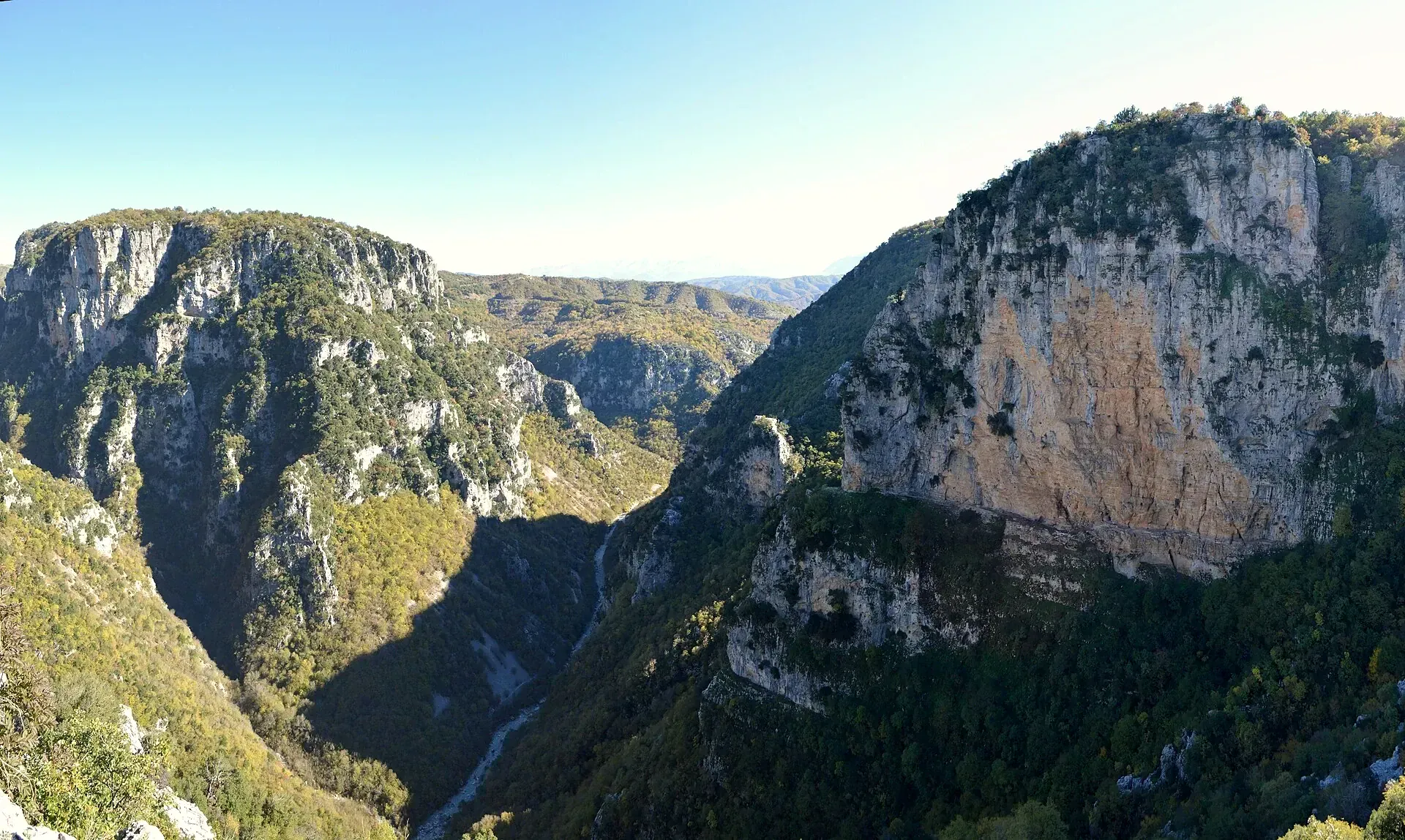
This is the natural wonder of the Zagori, and it holds a world record. The Guinness Book recognises the Vikos gorge as the deepest on the planet relative to its width: in places its walls plunge nearly one thousand three hundred metres while the two banks stay very close to one another. People speak of a canyon, but the image is not quite right. It is rather an immense fault, carpeted with forest, at the bottom of which winds a river of glassy blue. The whole is protected within the Vikos-Aoos national park, one of the last great refuges of wild nature in Greece, where the brown bear and immense forests still survive.
That river is the Voidomatis, reputed among the purest in Europe. It springs from sources at the foot of the cliffs, so limpid that you can make out every pebble. The path that crosses the gorge, between the villages of Monodendri and Vikos, is one of the finest in the country, but it is a long day’s walk reserved for strong legs. Rest assured: you do not need to go all the way down to feel the power of the place. The finest views are to be had from above, from the balconies cut into the rock.
The Oxya balcony and the village of Monodendri
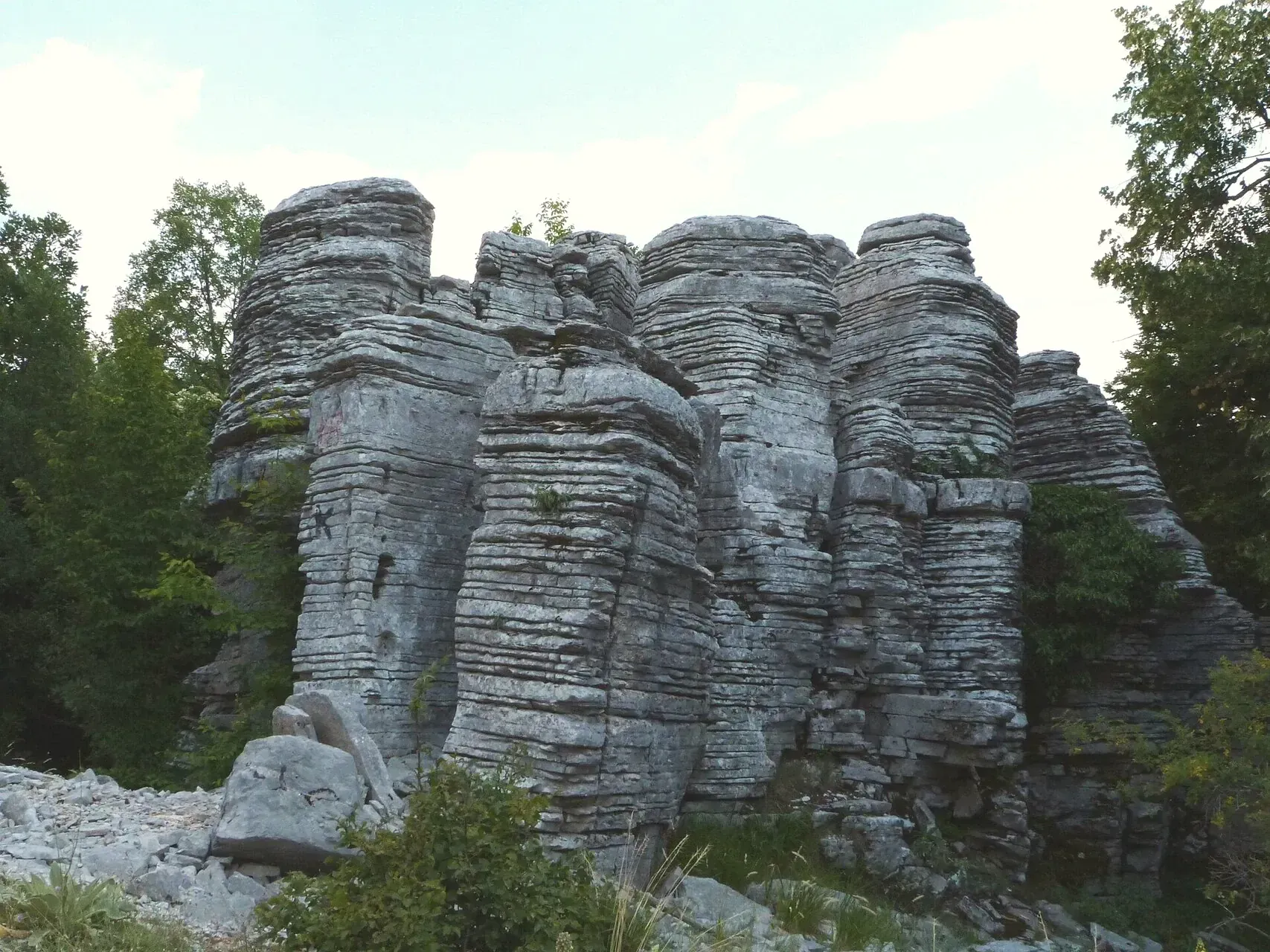
Monodendri is the best starting point for approaching the gorge gently. This stone village, set on the edge of the void, shelters the old monastery of Agia Paraskevi, clinging to the wall like a nest. From the terrace, the eye falls straight into the abyss.
A few minutes away, the Oxya viewpoint is earned without the slightest effort: a short walk of a few hundred metres, almost level, and there you are on a rocky spur suspended above the chasm. The view takes in the gorge along its whole length, vertigo guaranteed, without having to go down into it. Take the time to stay. The light there changes hour by hour, and the silence is broken only by the wind and the distant cry of a bird of prey. It is one of those places where you catch yourself speaking in a low voice.
Papingo and its clear rock pools
At the other end of the Zagori, twin villages keep watch at the foot of the cliffs: Megalo Papingo, the big one, and Mikro Papingo, the small one. They huddle beneath the white towers of Mount Tymfi, whose limestone walls change colour as the day goes on. The setting is striking, and yet the atmosphere stays peaceful, with its charming guest houses and family tavernas.
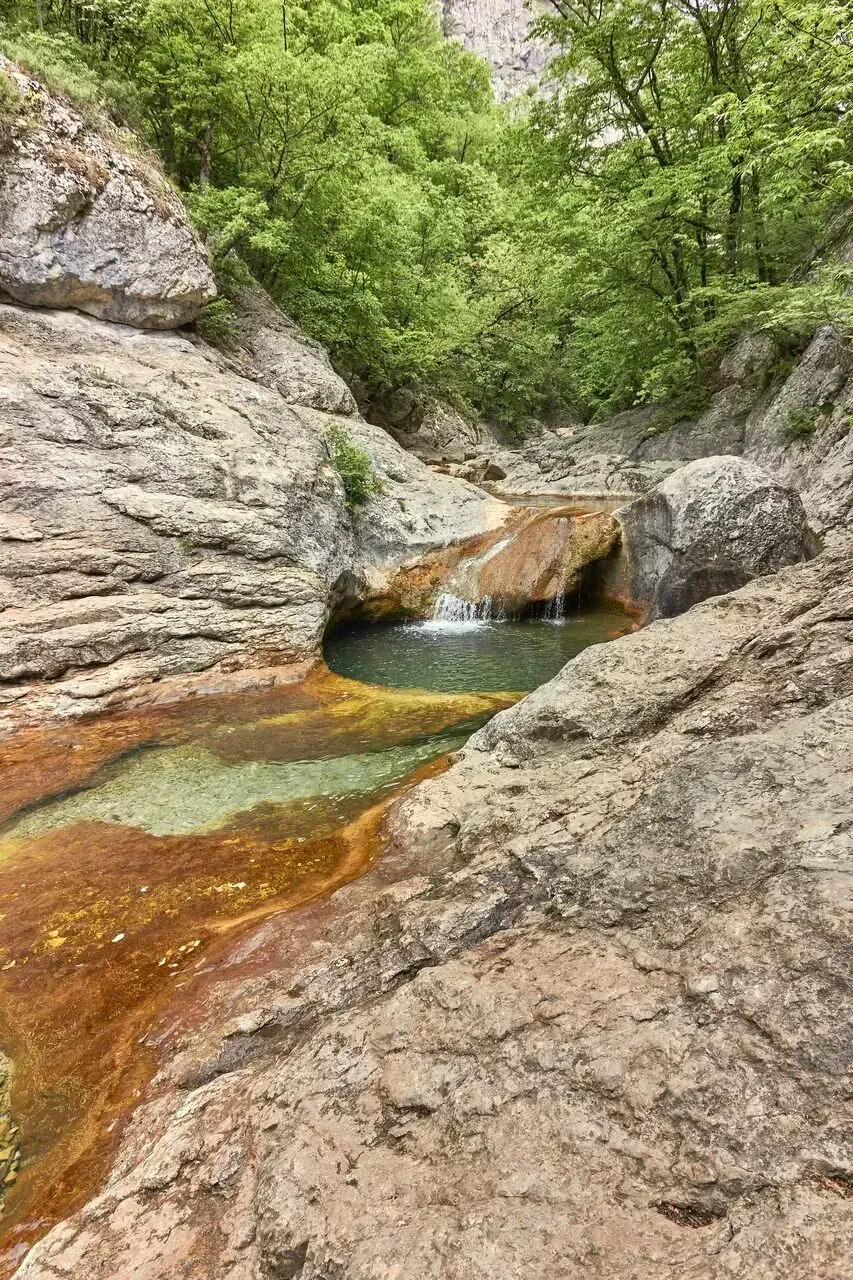
Just above the larger village hide the ovires, also called kolymbithres: a succession of natural basins hollowed out of the rock by running water, filled with a translucent, cool water. It is the perfect spot for a swim after a walk, lying afterwards on the warm stone listening to the water flow. Higher up, on the shoulders of Tymfi, hides a small mountain lake the Greeks call Drakolimni, the “dragon lake”, to which the shepherds attach old legends. It is reached at the cost of a long day’s walking in the mountains, but the mere mention of it says much about the share of mystery that inhabits these heights.
The Ottoman stone bridges
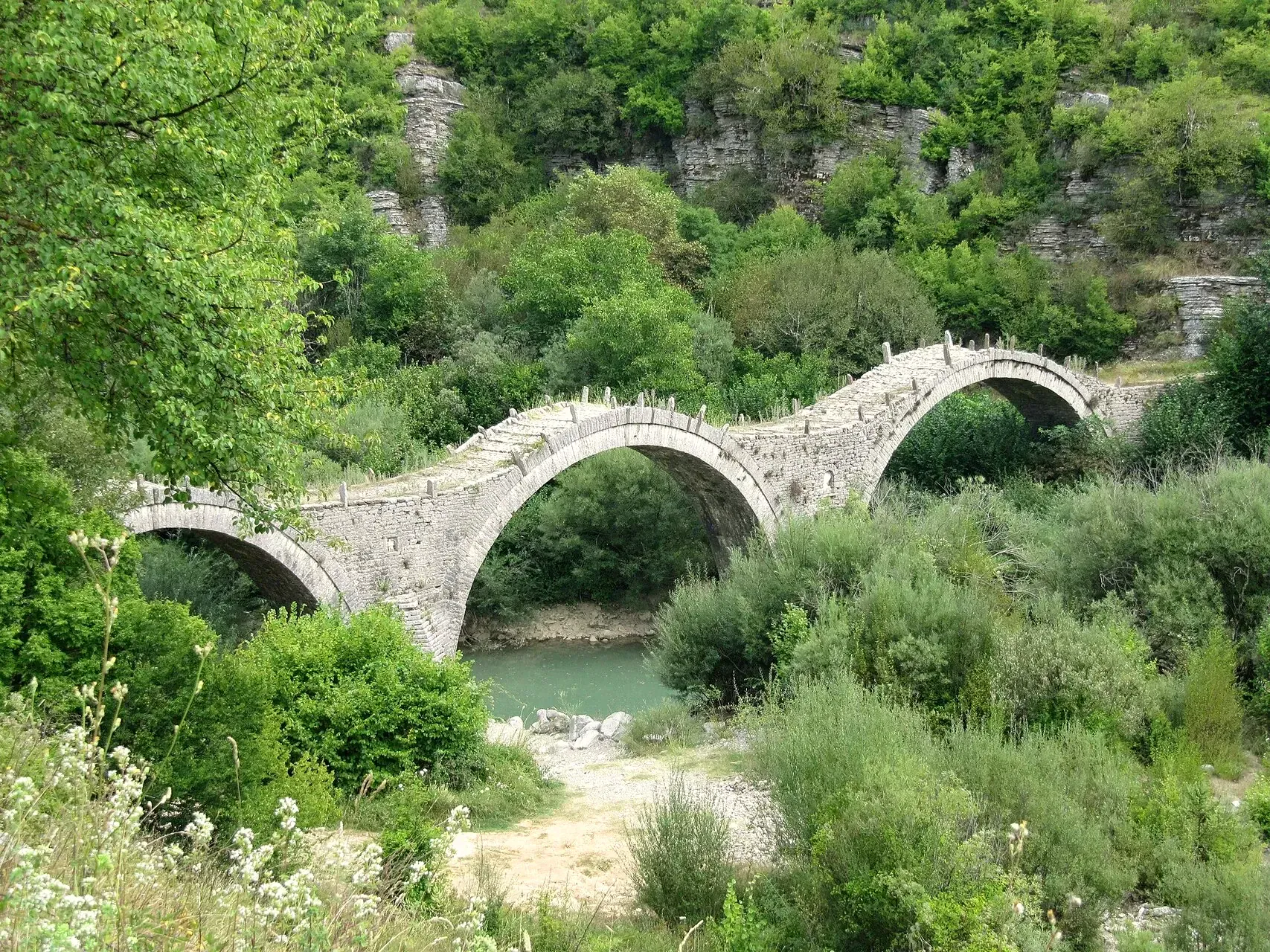
If one image sums up the Zagori, it is that of its bridges. To link villages separated by ravines and torrents, the builders of long ago threw graceful stone arches across the water, often financed by a villager who had gone far away to make his fortune. Many date from the Ottoman period, and several still span the rivers where the muleteers once passed.
The most famous is probably the Plakidas bridge, also called Kalogeriko, near the village of Kipoi: three elegant arches following one another above the stony bed, in a setting of wooded hills. Further north, the great bridge of Konitsa throws one of the widest stone arches in the Balkans over the river Aoos. These works, simple and perfect, are among the finest photo stops in the region. You sit at the water’s edge, listen to the current, and understand why this landscape has crossed the centuries almost intact.
When to come and how to make the most of it
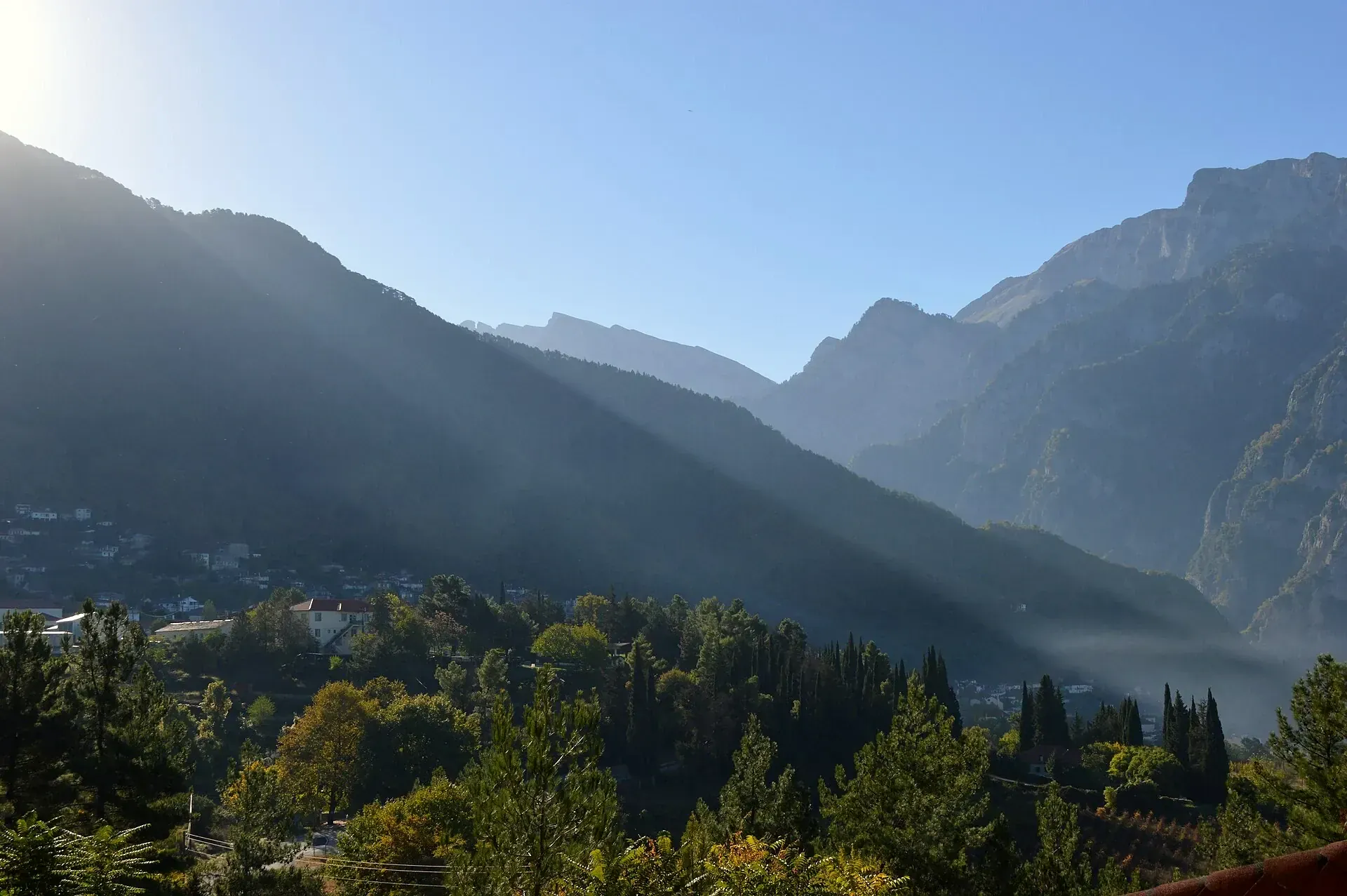
The Zagori is savoured above all in late spring and in autumn. In May and June the meadows cover themselves in wild flowers and the rivers run with lively water. In September and October the forests turn russet and gold, the air becomes sharp and clear, the taverna tables fill with the flavours of the late season. Summer stays pleasant at altitude, but winter, under snow, closes off part of the paths.
The simplest approach is to set down your bags for a night or two in one or two villages, then range out without hurrying: a viewpoint in the morning, a swim in the afternoon, a dinner of pita and local wine in the evening. Many travellers combine the Zagori with the rest of mainland Greece, passing by the hanging monasteries of Meteora, a few hours' drive away. To prepare a walking itinerary in this Greece of mountains, our finest paths in Greece will give you other ideas for stages.
Frequently asked questions about the Zagori
Where should you stay in the Zagori?
The most agreeable thing is to sleep in one of the restored stone villages, in a traditional guest house. Monodendri, right by the gorge, and the two Papingo villages (Megalo and Mikro Papingo, at the foot of Mount Tymfi) are among the most charming places to set down your bags for a night or two. There you find old houses prettily restored, with their stone walls and their fireplaces, and a family taverna a step away for dinner.
Is discovering the Vikos gorge accessible?
Yes, and that is the whole appeal of the place: you enjoy the gorge fully without having to descend to its floor. The finest views are to be had from the edge, at the Oxya viewpoint above Monodendri, and at the Beloi balcony near the village of Vradeto. A few minutes of easy walking are enough at Oxya, barely more at Beloi, to reach these rocky spurs suspended above the void. The full crossing of the floor, between Monodendri and Vikos, is reserved rather for experienced walkers and takes a whole day.
How do you get to the Zagori?
The gateway to Epirus is Ioannina, at once an agreeable town beside its lake and a regional airport. From there you reach the Zagori villages by car, less than an hour’s drive for the nearest and hardly more for the most remote. A car remains the simplest way to move from one village to another and stop at the viewpoints as the light takes you.
Your question is not on this list?
Write to us, and we will reply to you personally by email.
Article written by
Maria Papadopoulou (Μαρία Παπαδοπούλου)
Editorial lead
I hike, and Greece is the place I keep coming back to. My initial studies (a Master’s in Marketing and a degree in Applied Foreign Languages) taught me how to build an editorial project, and the trails taught me the… Read more