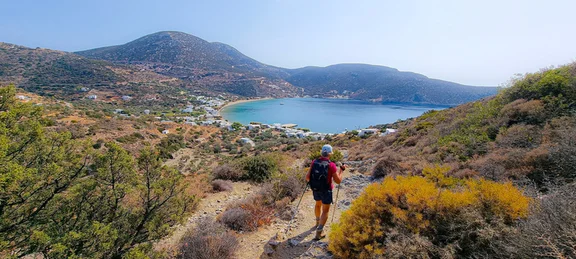
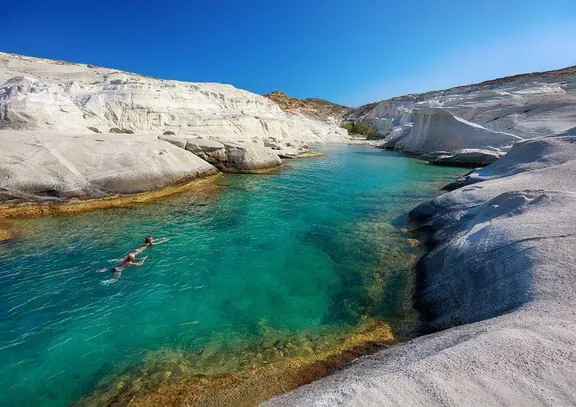
You arrive at Kos by sea, and the first thing you glimpse from the ferry deck is an ochre castle set at the harbour entrance. Kos, in Greece, is part of the Dodecanese, that archipelago of the south-eastern Aegean which nestles against the Turkish coast. It is the island of Hippocrates, the father of medicine, born here nearly twenty-five centuries ago. It is also a low, luminous island, crossed by plains and cycle paths, where you quickly get into the habit of moving by bike or on foot, never hurrying. Here is what we would have liked to know before setting down our bags there.
| In brief | The island of Hippocrates, in the Dodecanese: two thousand five hundred years of history, perched villages at the foot of Mount Dikeos and plains made for wandering. |
| Ideal for | Loving ancient history, easy walks and ends of the day on a terrace facing the sunset. |
| Best season | May, June, September and October: mildness, golden light, swimming still possible. |
| Pace | Gentle, at your own rhythm, on foot or by bike across the plains. |
| Our trip | Free inspiration: Kelifos does not offer a trip to Kos, this page is here to help you prepare your own. |
The island of Hippocrates, facing the Turkish coast
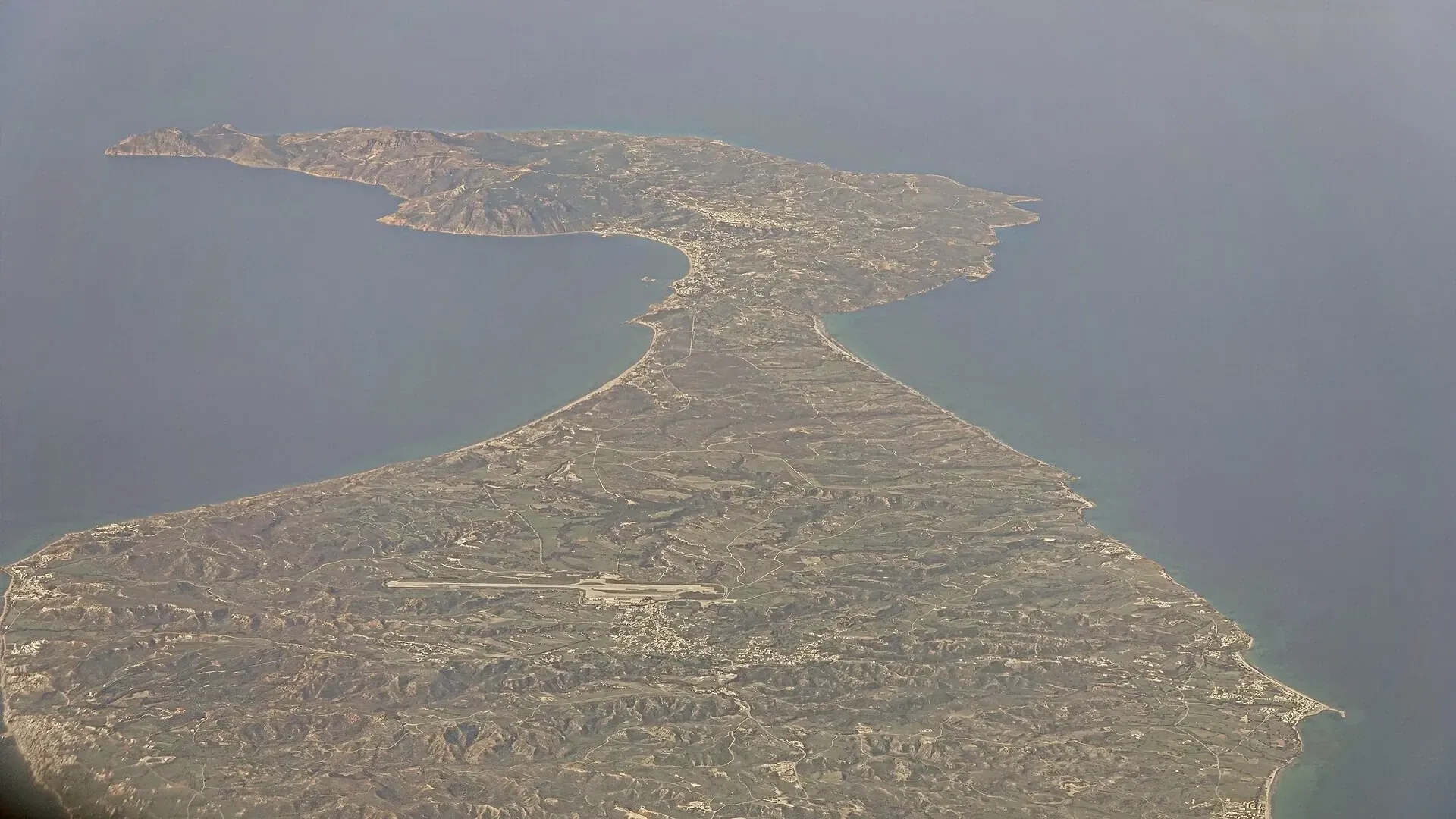
Kos is the third largest island in the Dodecanese, after Rhodes and Karpathos. Elongated from east to west, it stretches only a few kilometres from the Turkish coast: from its northern beaches you can make out, in clear weather, the outlines of Bodrum, the ancient Halicarnassus. This crossroads position partly explains its long history. Dorians, Romans, Byzantines, Knights of St John and then Ottomans followed one another here, and each left its trace in the stone.
But Kos remains above all linked to one name: Hippocrates, born here around 460 BC, considered the founder of Western medicine. It is this legacy that gives the island its very particular colour, a mixture of seaside gentleness and ancient gravity. You come to Kos for the sea and the sun, and leave having come across, almost by chance, two thousand five hundred years of history.
If you are exploring the Dodecanese, its large neighbour also deserves the detour: our guide to the finest walks in Rhodes takes you there, on paths just as laden with memory.
The Asklepieion, the healing sanctuary of antiquity
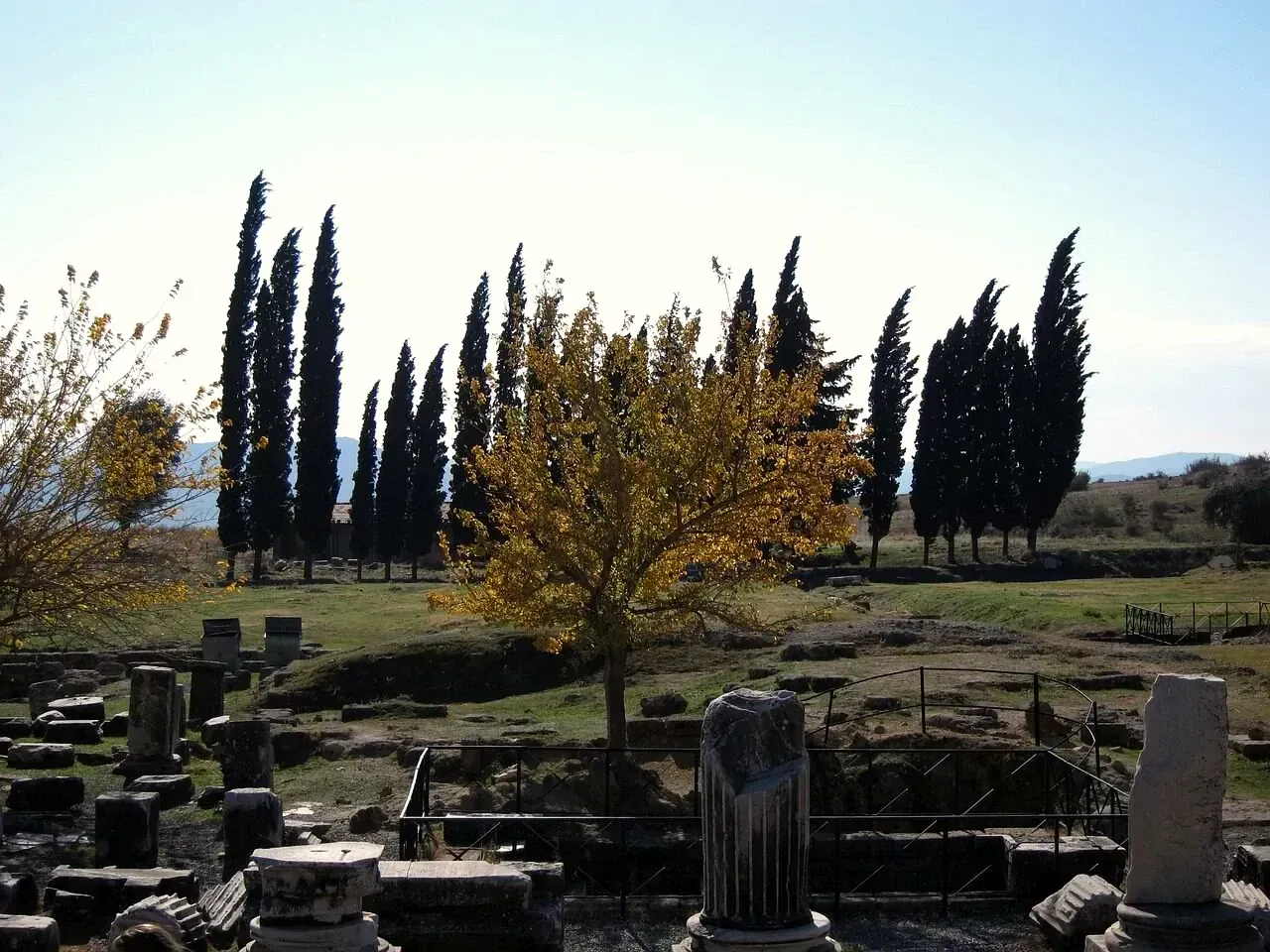
4 km from the town, on a hill planted with cypresses and pines, spread the ruins of the Asklepieion. It was one of the greatest healing sanctuaries of the ancient world, dedicated to Asclepius, the god of medicine. The sick came from all over the Mediterranean basin, in search of the rest and the care dispensed there in the line of Hippocrates' teaching.
The site unfolds over three terraces linked by a monumental stairway. You climb slowly, in the shade of the trees, between the columns and the foundations of temples. At the top, the reward is twofold: the memory of the physicians of antiquity, and a panorama taking in the plain of Kos, the sea and the Turkish coast closing the horizon. In the morning, when the light is still low and the groups have not arrived, the place has something profoundly soothing about it. You understand why the Ancients placed their hopes of recovery there.
Kos town: the Castle of the Knights, the agora and the odeon
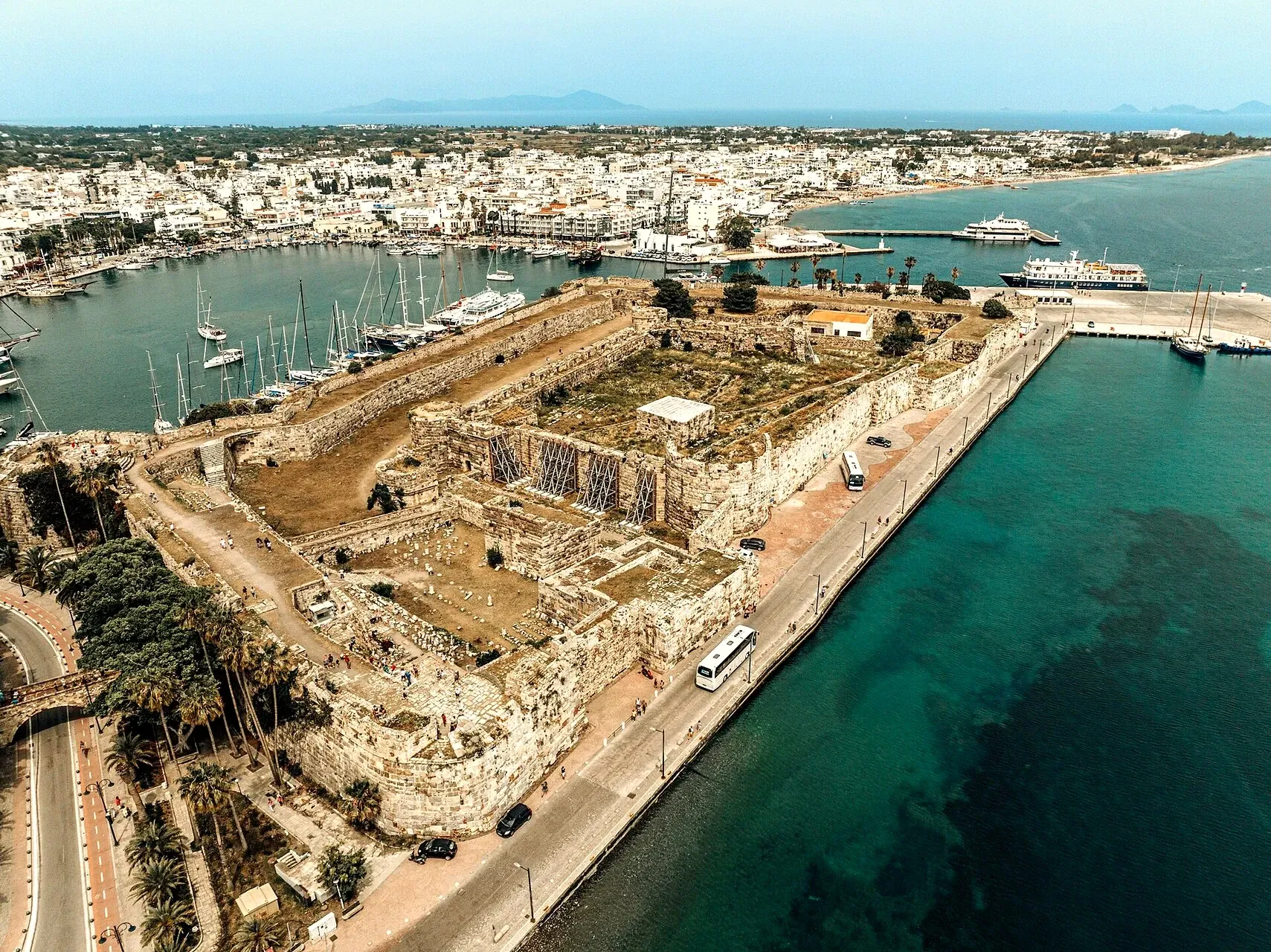
The island’s capital is a town on a human scale, agreeable to cover on foot or by bike. At the harbour entrance stands the castle of Neratzia, also called the Castle of the Knights. This fortress was raised from the 14th century onwards by the Knights of St John, the same who built the great citadel of Rhodes. Its Greek name comes from the bitter orange trees once grown at its foot. From its ramparts, the eye carries over the marina, the caiques and the roofs of the old town.
A small bridge links the castle to Platanos square, where the famous plane tree of Hippocrates grows. Legend has it that the physician taught in the shade of this tree. The truth is more modest: the hollow trunk admired today is probably no more than five centuries old, far removed from Hippocrates' era. Never mind. The symbol remains touching, and the shaded square invites you to sit for a while.
Right in the centre, the ancient agora offers itself freely to a stroll, with no ticket and no barrier. You wander between fallen columns, statue bases and mosaics, in the middle of a town that lives around these remains as though nothing were amiss. A little further on hide a restored Roman odeon and fine houses with preserved mosaics. Kos has that rare quality: its past is not relegated to a museum, it is part of the everyday setting.
Asfendiou and the villages of Mount Dikeos
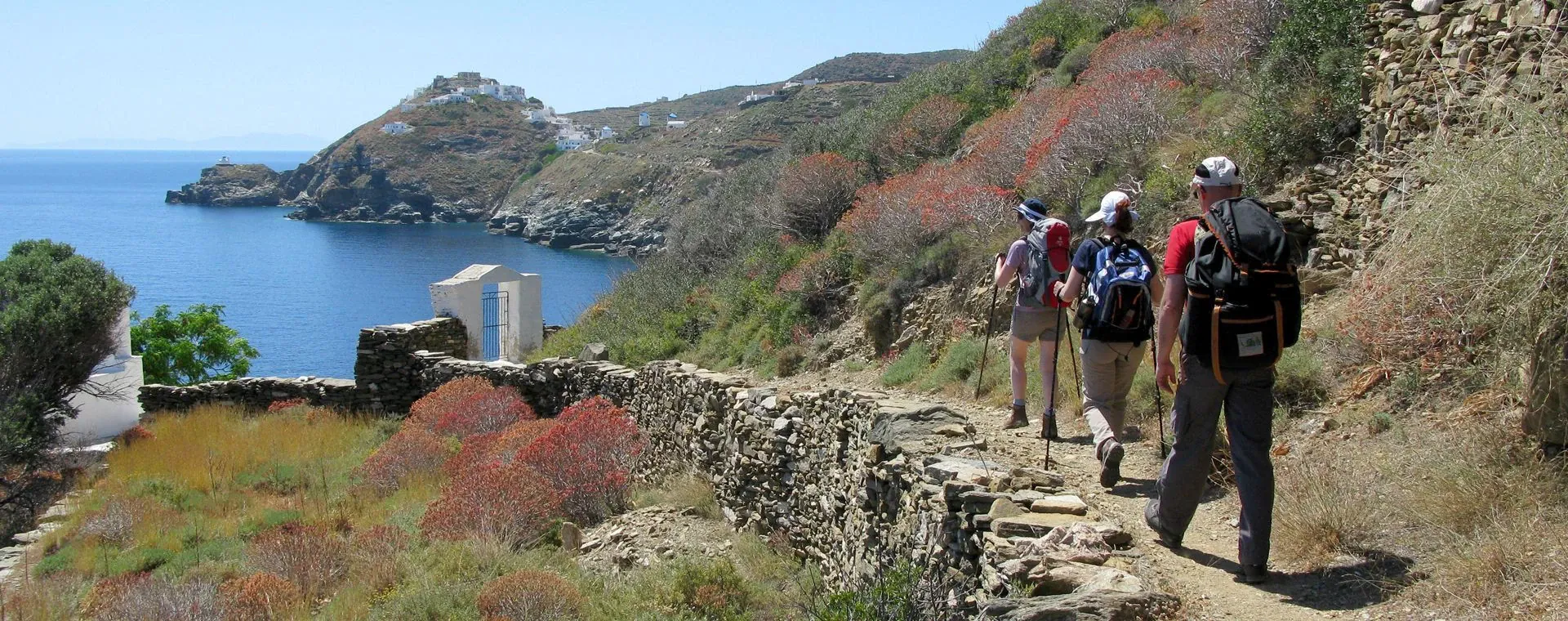
Leave the plain and climb inland: another face of Kos awaits you. Mount Dikeos, the island’s highest point at 846 metres, raises its green flank above the coast. On its slopes nestle the villages of Asfendiou, a string of traditional hamlets (Zia, Asomatos, Lagoudi, Evangelistria) long left aside by seaside tourism. There you find again the stone houses with flat roofs, the cobbled lanes and the small churches of Dodecanese architecture.
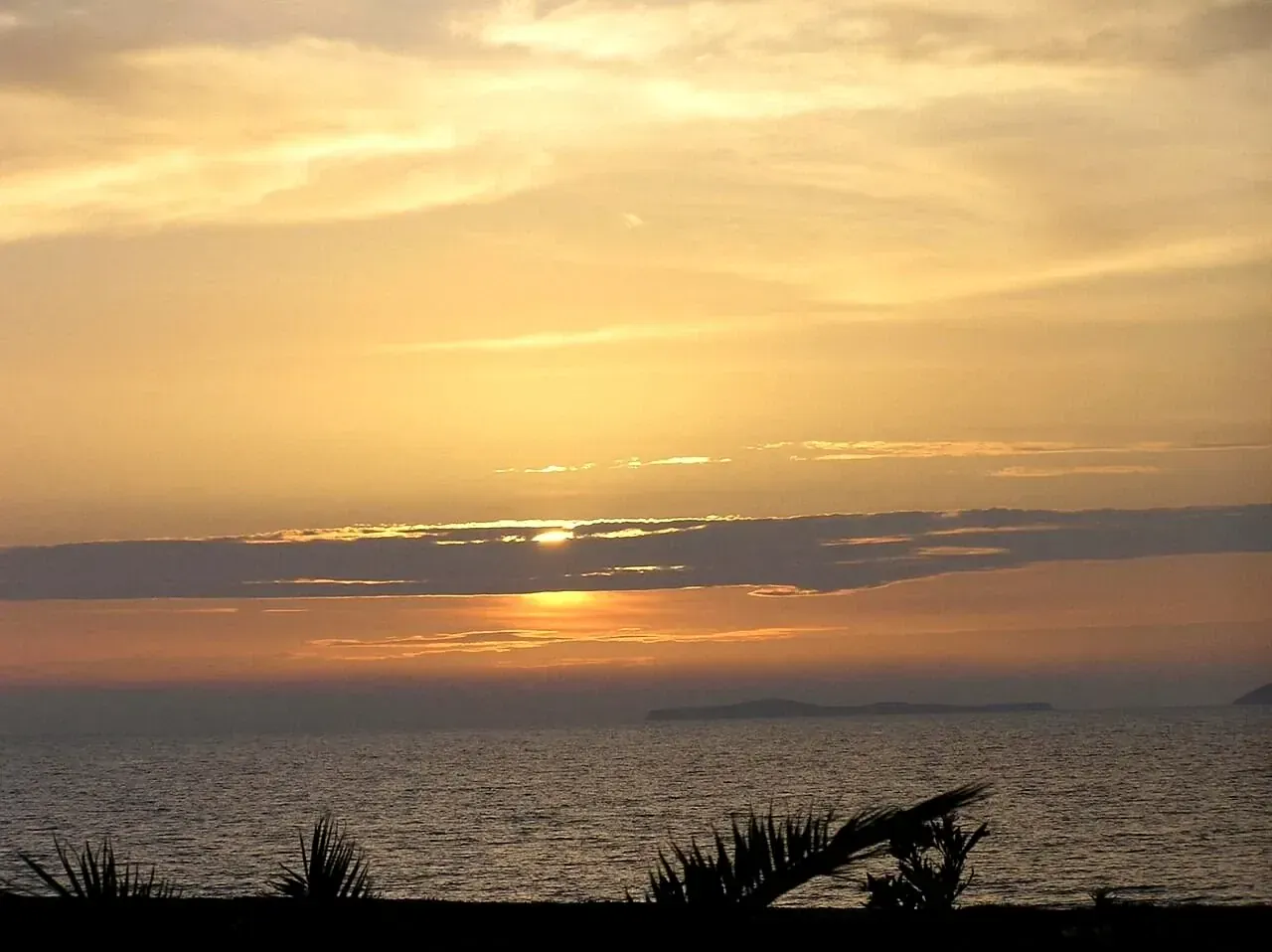
Zia is the best known, and with reason: its terraces look west, and it is from there that you admire one of the finest sunsets in Greece. At the end of the day the village fills up gently, you order a glass of local wine or a Greek coffee, and you wait for the sun to slide into the sea, setting the horizon ablaze. The other hamlets, quieter, lend themselves to an easy walk between olive trees and chapels, at your own pace, with plunging views over the whole island as the reward.
Kefalos and the western peninsula
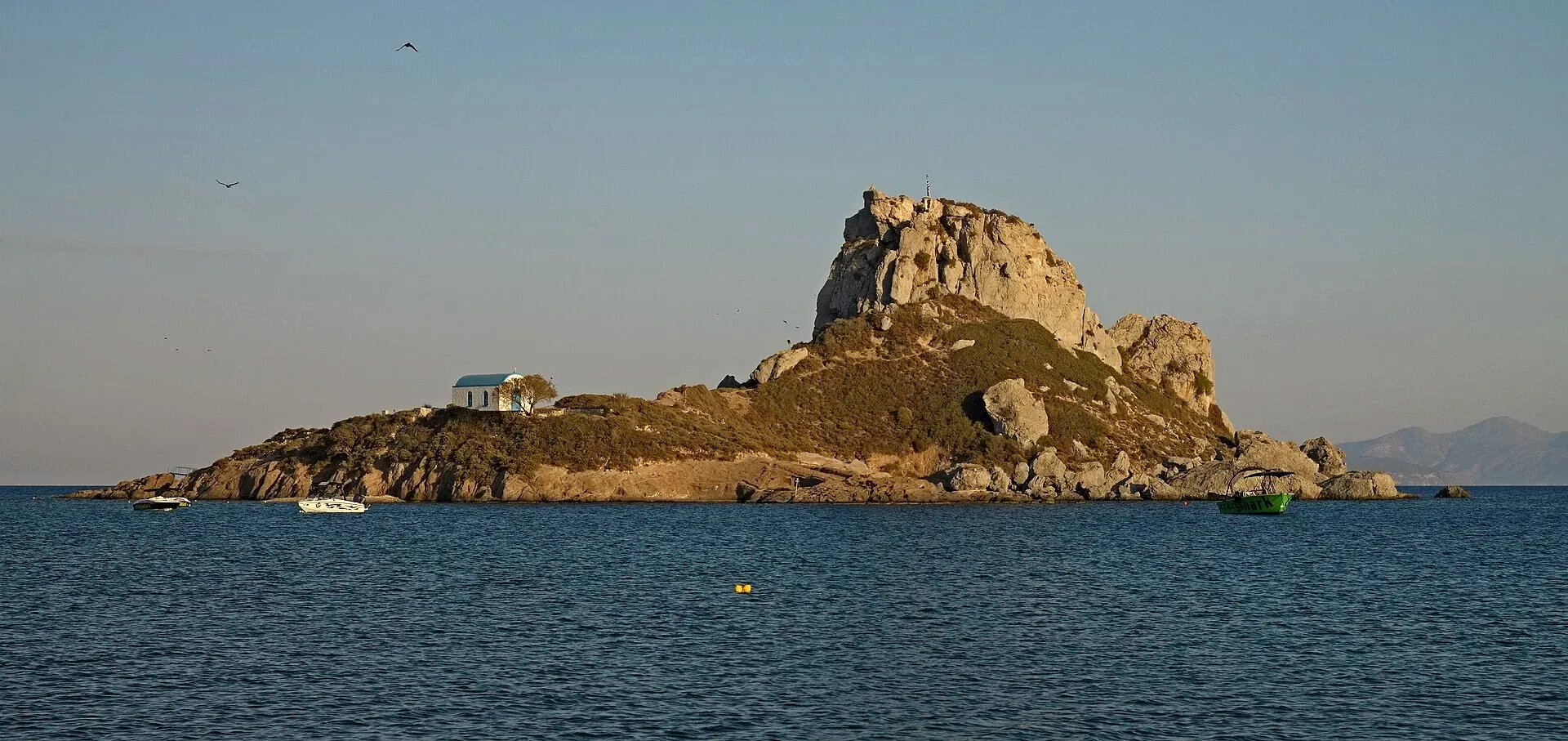
At the south-western extremity of the island, where the plain narrows into a slender peninsula, Kefalos crowns a hill about a hundred metres above the sea. The village, with its windmill and its white houses, offers a broad panorama over its bay and over the neighbouring islands: volcanic Nisyros and the small islet of Gyali, which seem to float on the horizon. It is the most peaceful end of Kos, the one you come to for calm when the north coast grows lively.
Below opens a long golden beach, closed off by the islet of Kastri and its white chapel set upon the water. Very close by, the remains of the early Christian basilica of Agios Stefanos recall that this point was inhabited long before the seaside resorts. You gladly spend a whole day there, between swimming, a stroll along the shore and a fish lunch almost with your feet in the sand.
Mastichari, the plains and the pleasure of cycling
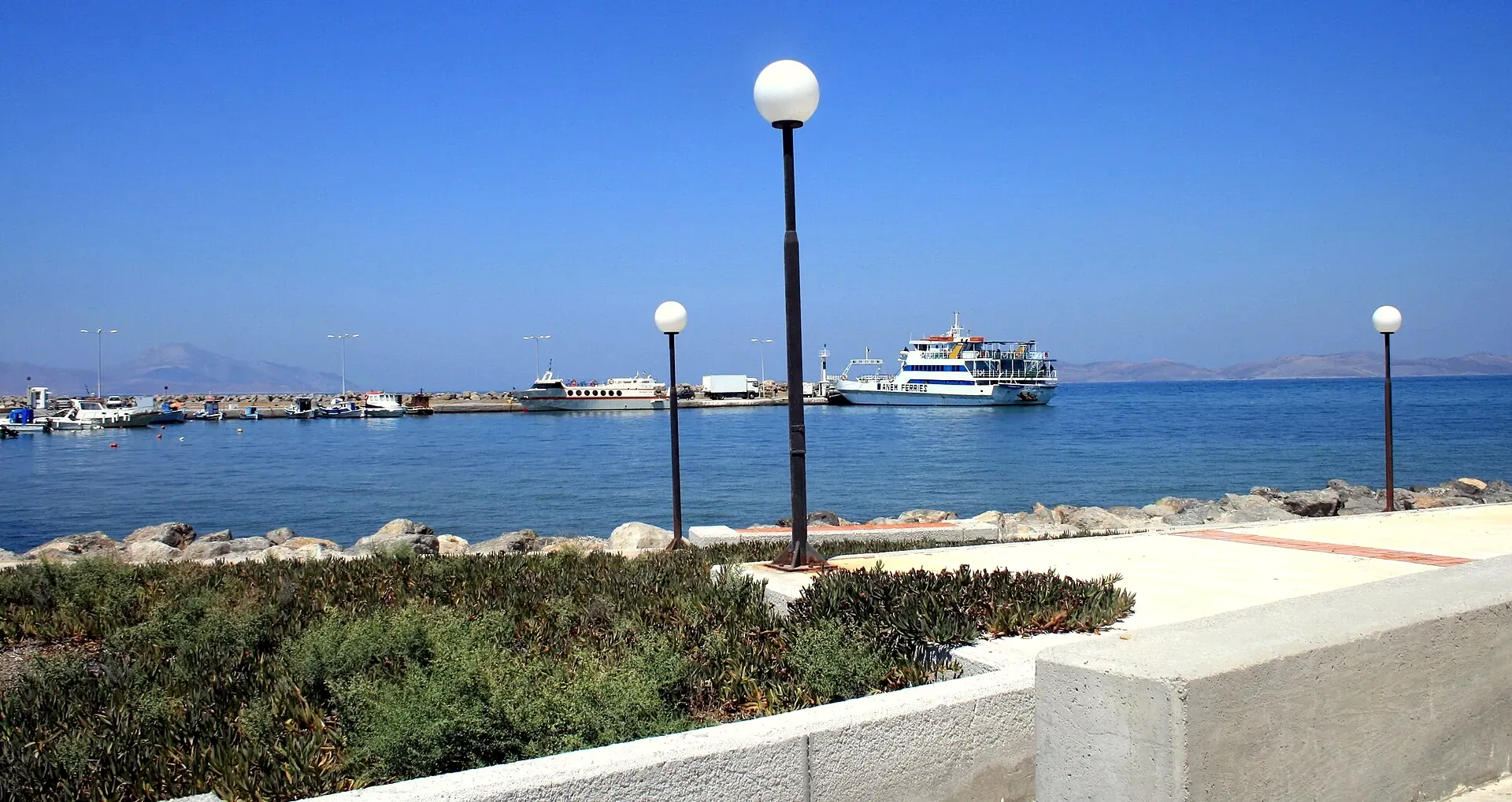
On the north coast, halfway between the town and Kefalos, Mastichari has kept the look of a fishing harbour. The colourful boats come back at the end of the morning, and the seafront tavernas serve the day’s catch without fuss or crowds. It is also from here that the ferries leave for Kalymnos, the island of the sponge fishermen, only some forty minutes' crossing away: a pretty day escape for anyone wanting a taste of a rougher Greece.
But what makes Kos so restful is its flatness. The great central plain, flat as your hand, lends itself wonderfully to cycling. Cycle paths link the town to the neighbouring beaches of Lambi and Tigaki, and you pedal effortlessly along the fields and the reeds, between two swims. For anyone who likes gentle walking and routes without hills, it is a blessing. Many places hire out bikes, sometimes with electric assistance, and you move from one site to another with a delicious freedom.
When to come and how to make the most of it
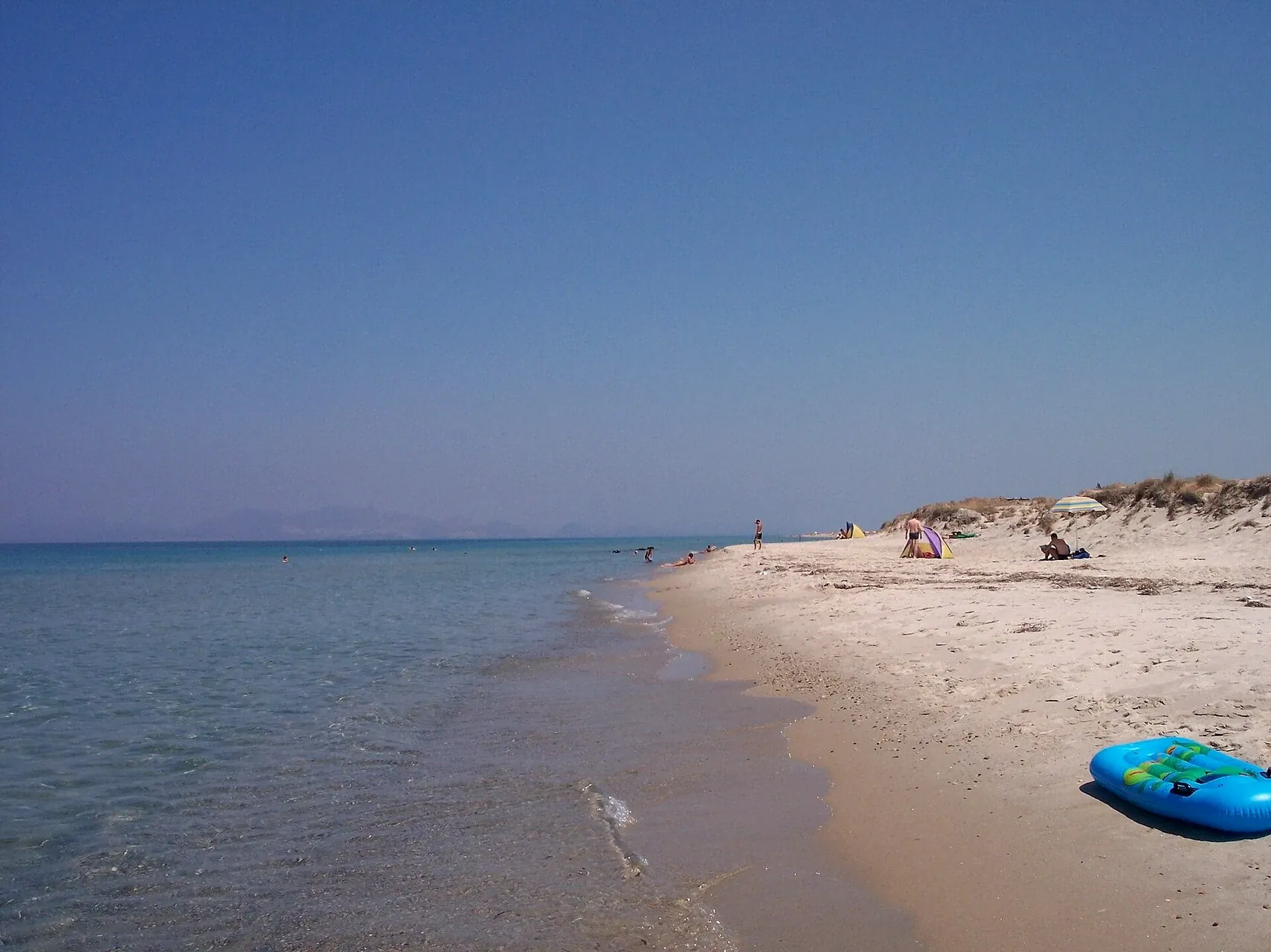
Kos is savoured above all in spring and in autumn. From mid-May to the end of June, then in September and October, the light is golden, the sea still good, and the heat stays bearable for walking. In summer the island is beautiful but very busy, as it is among the most sought-after seaside destinations in the southern Aegean. Off season, the mountain villages recover their calm and the ancient sites can be visited almost alone.
You reach Kos by plane (the airport is near Antimachia, in the centre of the island) or by ferry from Piraeus and the neighbouring islands. On the spot, a car is not indispensable: a bus network serves the main villages, and a bike is amply enough to explore the plain and the coast. If you are still hesitating between Kos and another island, our guide to choosing your Greek island compares the atmosphere of each, and our walking trips gather our finest ideas for escape, from the Dodecanese to the Cyclades.
Frequently asked questions about Kos
How do you get to Kos?
Two routes are open to you. The quickest is by plane: Hippocrates international airport, near Antimachia in the centre of the island, receives seasonal flights from several European cities, and connections via Athens the rest of the year. The most contemplative is the ferry from Piraeus, an overnight crossing of about twelve hours, in a cabin, to arrive in the morning facing the harbour castle. Inter-island lines also link Kos to Rhodes, to Kalymnos and to the rest of the Dodecanese.
What is there to see on Kos in a few days?
Reckon on 3 to 4 days to taste the essentials without hurrying. Set aside a morning for the Asklepieion, the great healing sanctuary where Hippocrates taught medicine, then wander in Kos town among the ancient agora, the Castle of the Knights and the plane tree of Hippocrates. Keep an end of day for Zia, on the slopes of Mount Dikeos, and its renowned sunset. With a week, you can easily add the Kefalos peninsula, an escape to Kalymnos and long bike rides across the plain.
Where can you swim on Kos?
The island is edged with long sandy beaches. On the north coast, Tigaki and Marmari unroll golden stretches with shallow water, perfect for quiet swimming, while Lambi extends the town. In the south-west, the great bay of Kefalos shelters the finest: Paradise Beach and its wilder neighbour Camel Beach, then Agios Stefanos, facing the small islet of Kastri capped with its white chapel. Most are reached by bike or by bus, without a car.
Can you discover Kos by bike?
Yes, and it is one of the island’s great pleasures. Kos is among the flattest in Greece, so much so that it is nicknamed the cycling island, and well-laid-out cycle paths link Kos town to the beaches of Lambi and Tigaki across the plain. You ride effortlessly from one site to another, between two swims, and many hire firms offer bikes with electric assistance as well as a map of the paths and beaches. For anyone who likes to move at their own pace, on foot or by bike, it is an island made to measure. Our walking in Greece hub gathers our trips in the same spirit, on the paths of other Greek islands.
Your question is not on this list?
Write to us, and we will reply to you personally by email.
Article written by
Maria Papadopoulou (Μαρία Παπαδοπούλου)
Editorial lead
I hike, and Greece is the place I keep coming back to. My initial studies (a Master’s in Marketing and a degree in Applied Foreign Languages) taught me how to build an editorial project, and the trails taught me the… Read more