



Greece is a country to be discovered on foot. On paved ways inherited from antiquity, between dry-stone walls lined with wild thyme, facing a sea of a blue you thought was reserved for postcards. From the vertiginous gorges of Crete to the coastal paths of Corfu, by way of the kalderimia of the Cyclades, here is our selection of the finest walks, island by island.
Crete: gorges, wild coasts and mountain villages
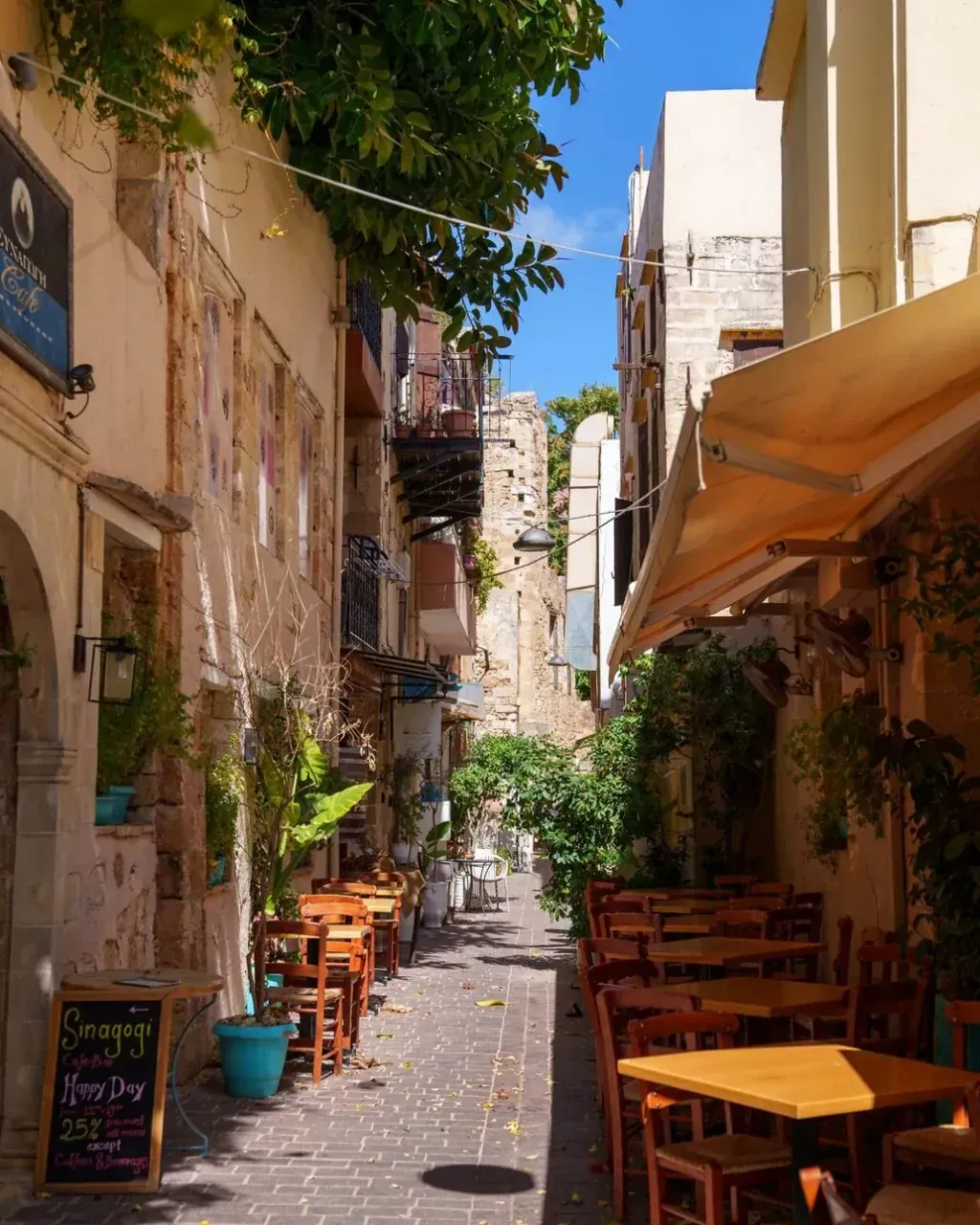
The largest Greek island offers a breathtaking diversity of landscapes. Its deep gorges, cultivated plateaux and indented coasts make up an exceptional playground for walkers.
Samaria Gorge
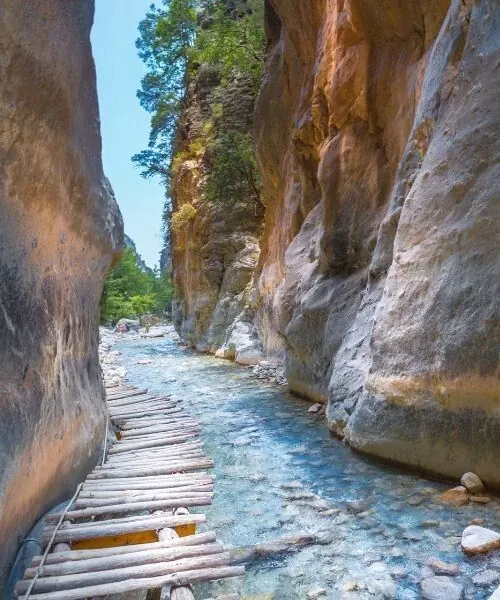
The great classic. A 16 km path that plunges into a mineral world, crosses a forest of Cretan cypress and ends at the famous “Iron Gates”, where the cliffs leave only a three-metre passage. At the exit, the village of Agia Roumeli welcomes you with your feet in the water and a grilled fish facing the Libyan Sea.
From Loutro to Marmara
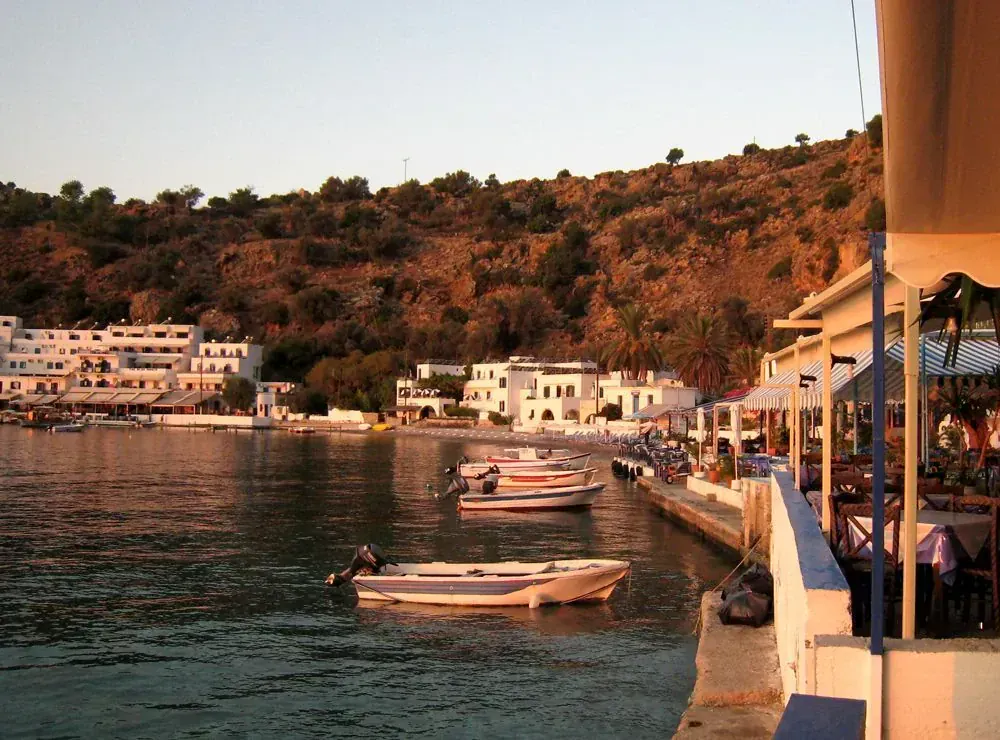
One of the finest coastal paths in Crete. From Loutro, reachable only by boat or on foot, the path climbs the cliff then follows the south coast with a continuous panorama over the sea. The blue there is so deep it becomes unreal. Return possible by caique, your face offered to the warm wind.
Imbros Gorge
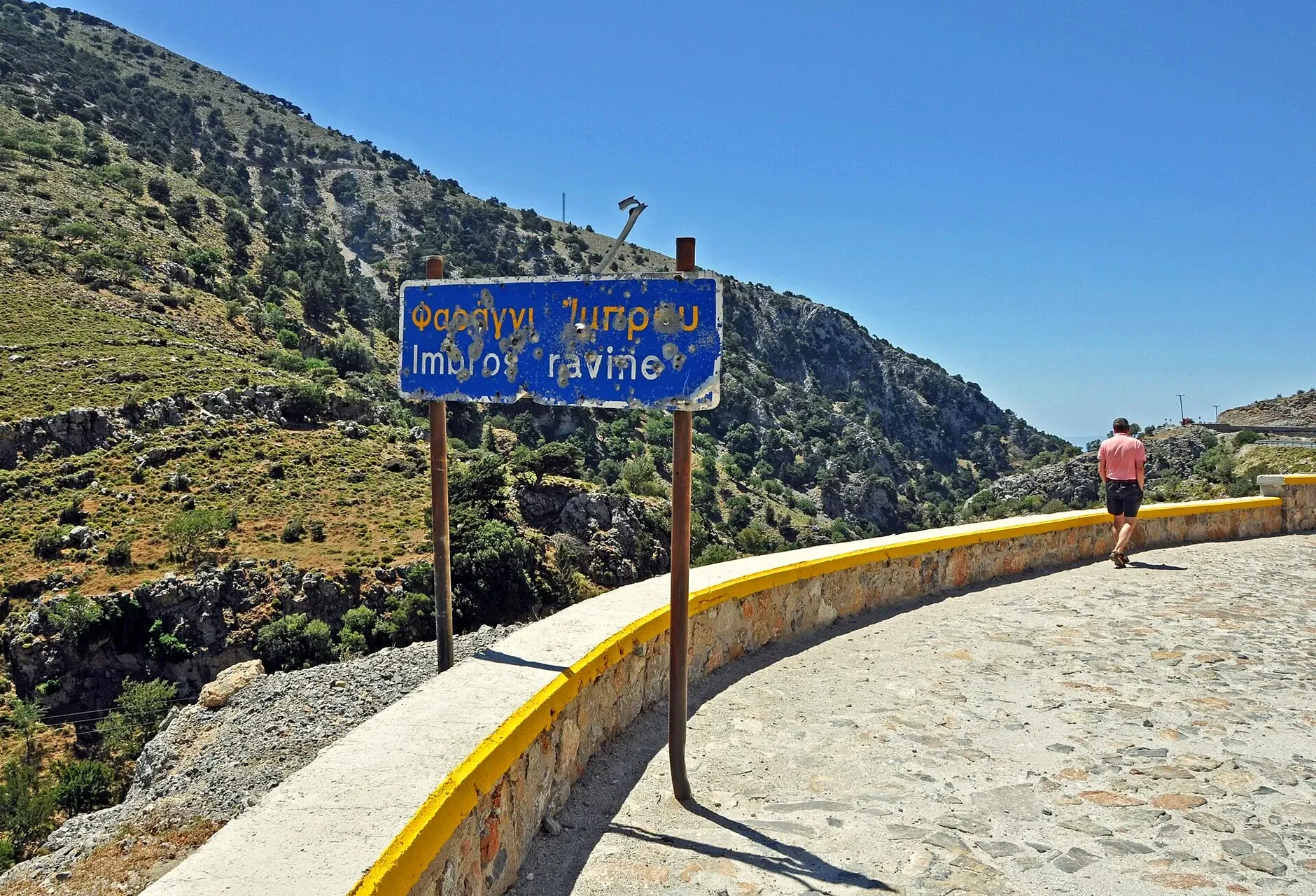
The gentle alternative. Shorter and less frequented than Samaria, the Imbros gorge winds between walls sculpted by time, under wild fig trees. The air is fragrant with thyme and sage. On arrival, the village of Komitades welcomes walkers with Cretan simplicity: a table in the shade, olives, fresh cheese.
The Lasithi plateau
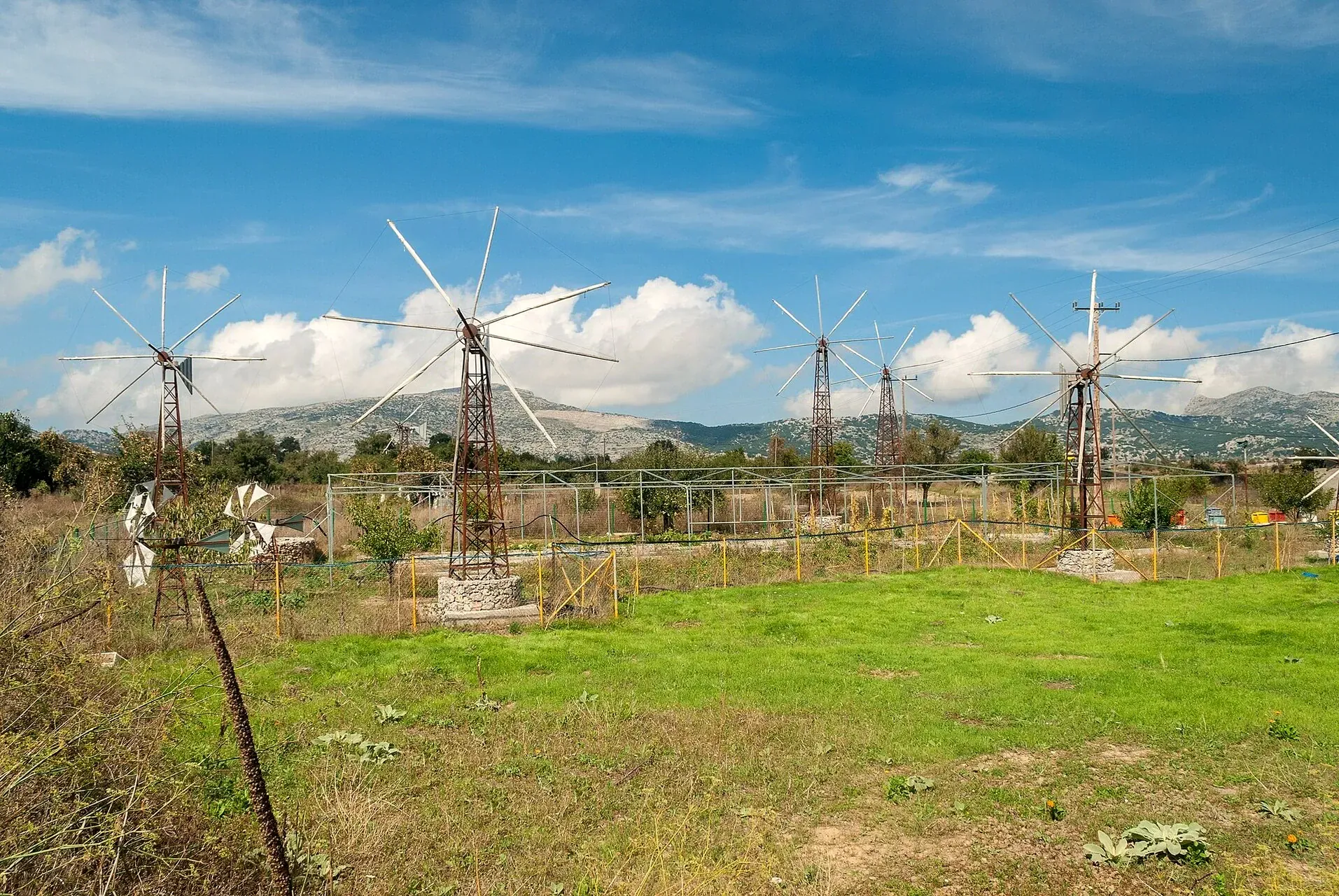
Far from the coasts, another face of Crete. Ringed by mountains, punctuated by windmills, this fertile plateau lives to the rhythm of the farming seasons. The walk there is gentle, between orchards and villages where time seems suspended. And if Samaria strikes you as too popular, other Cretan gorges can be walked in peace, shorter and every bit as beautiful.
Corfu: between centuries-old olive trees and an emerald sea
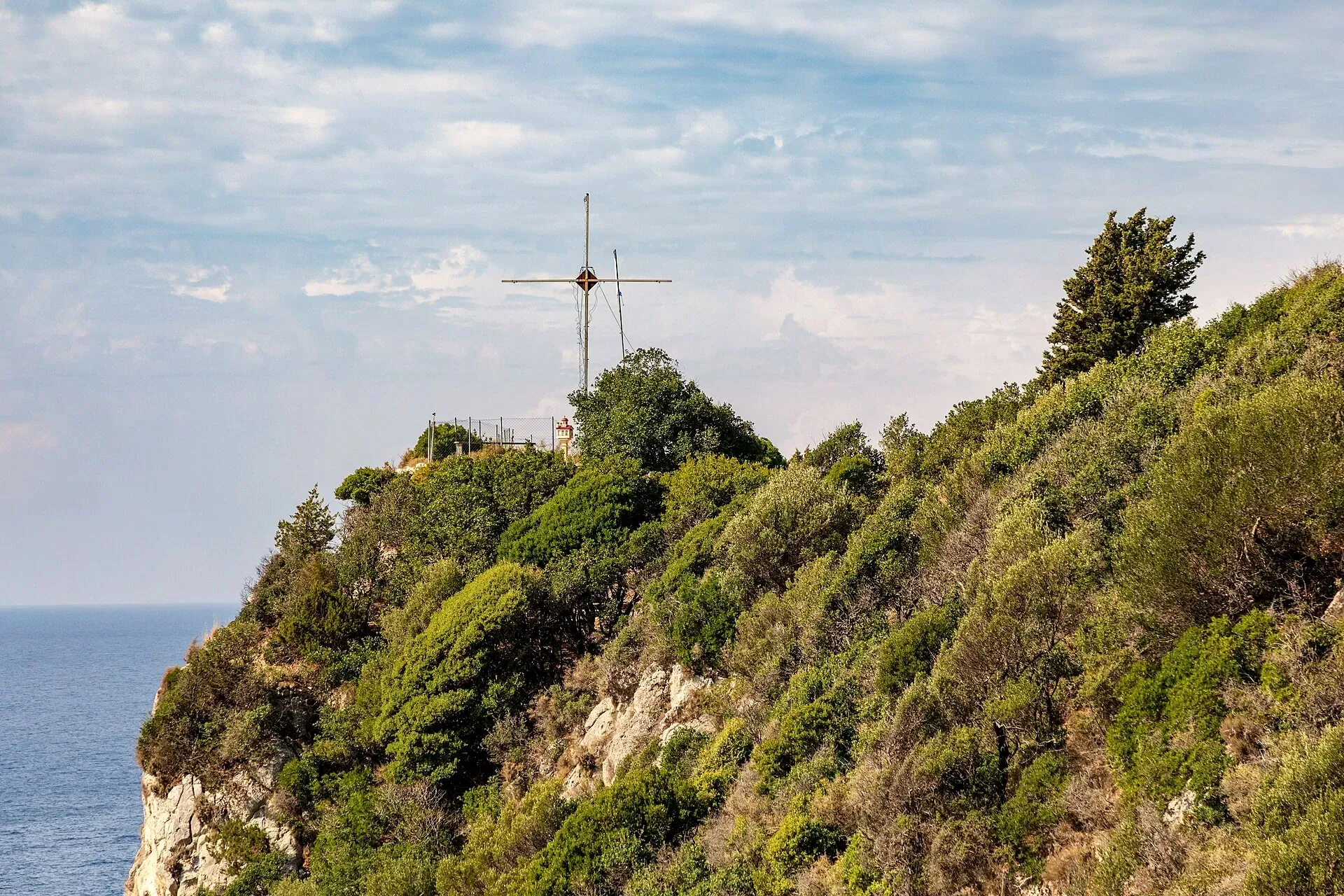
Corfu is the greenest of the Greek islands, and the most Venetian too. Beneath its vaults of olive trees, along its white cliffs hemmed with turquoise coves, the air carries the scent of jasmine and wild sage.
Paleokastritsa and Angelokastro
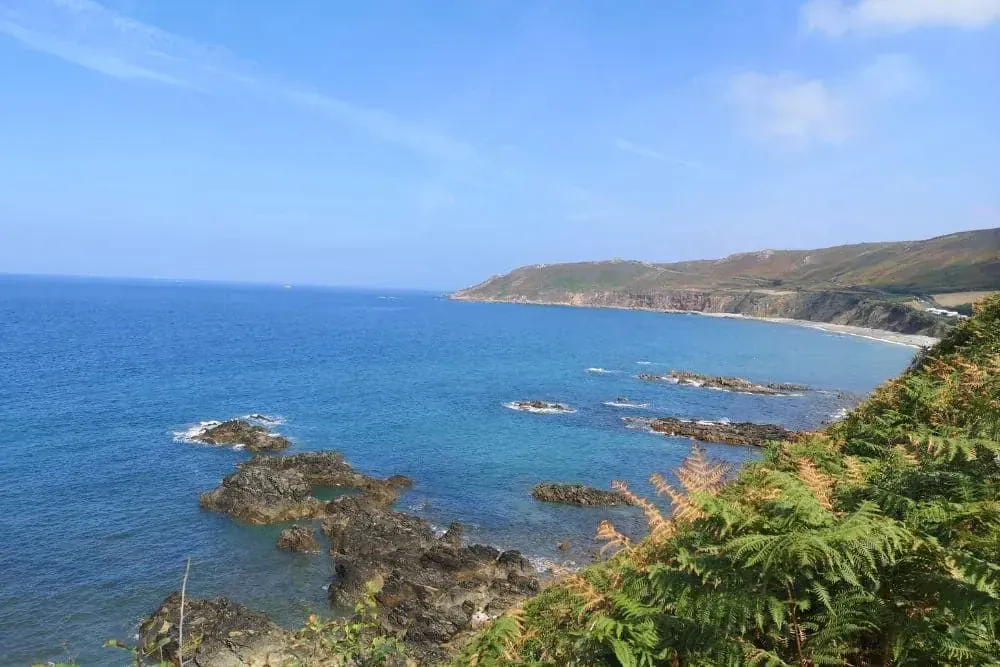
The path first follows an olive grove before dropping towards the sea. The water shifts between turquoise and deep blue. Higher up, the Byzantine fortress of Angelokastro offers a panorama over the whole north-west coast, from a promontory where the inhabitants took refuge during invasions.
From Kassiopi to Kouloura
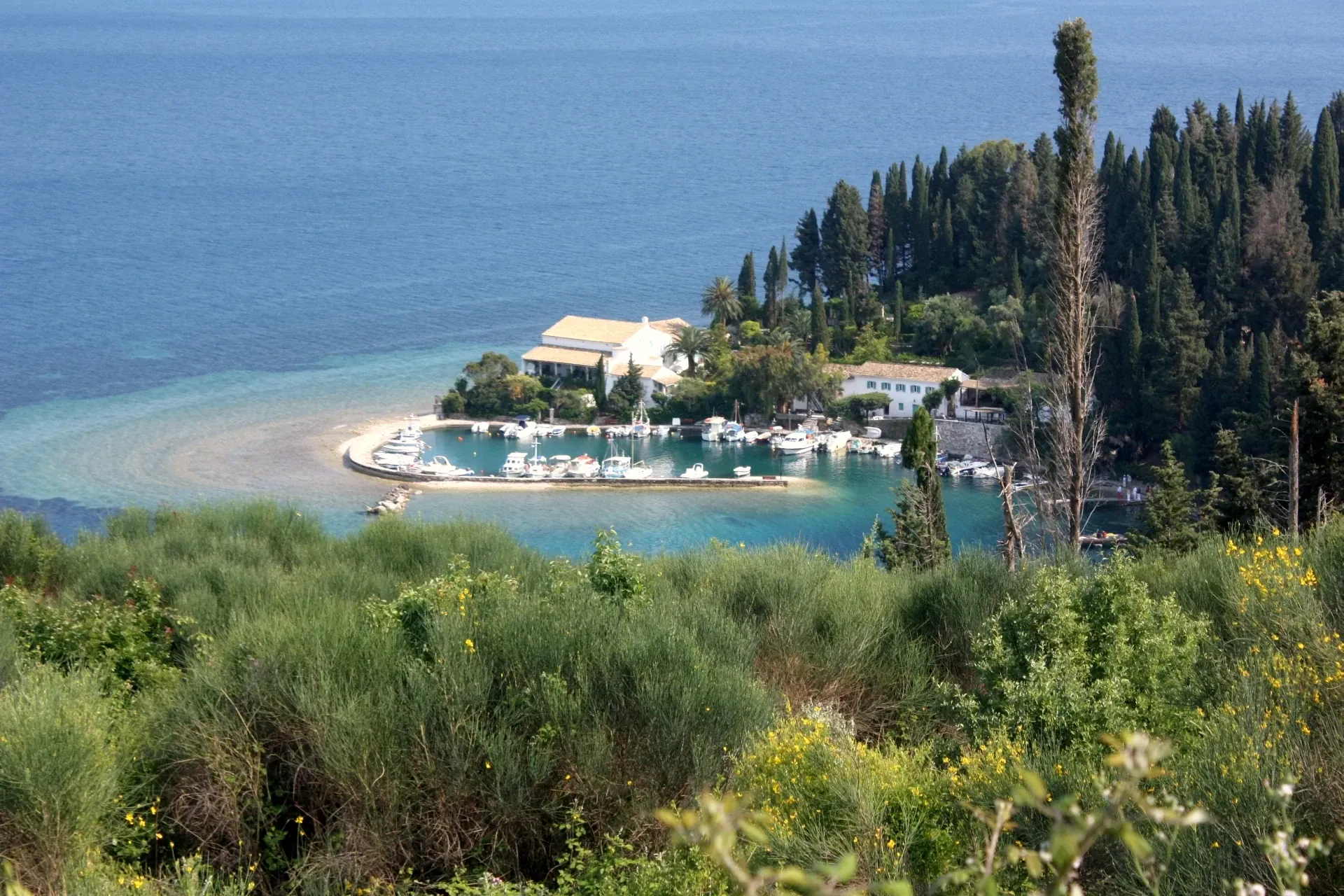
One of the gentlest coastal walks on the island. The path makes its way between maritime pines and pebble beaches, linking fishing villages where time seems to have stopped. At Kouloura, the tiny horseshoe harbour, edged with cypresses, composes one of the most photographed scenes on Corfu.
Porto Timoni
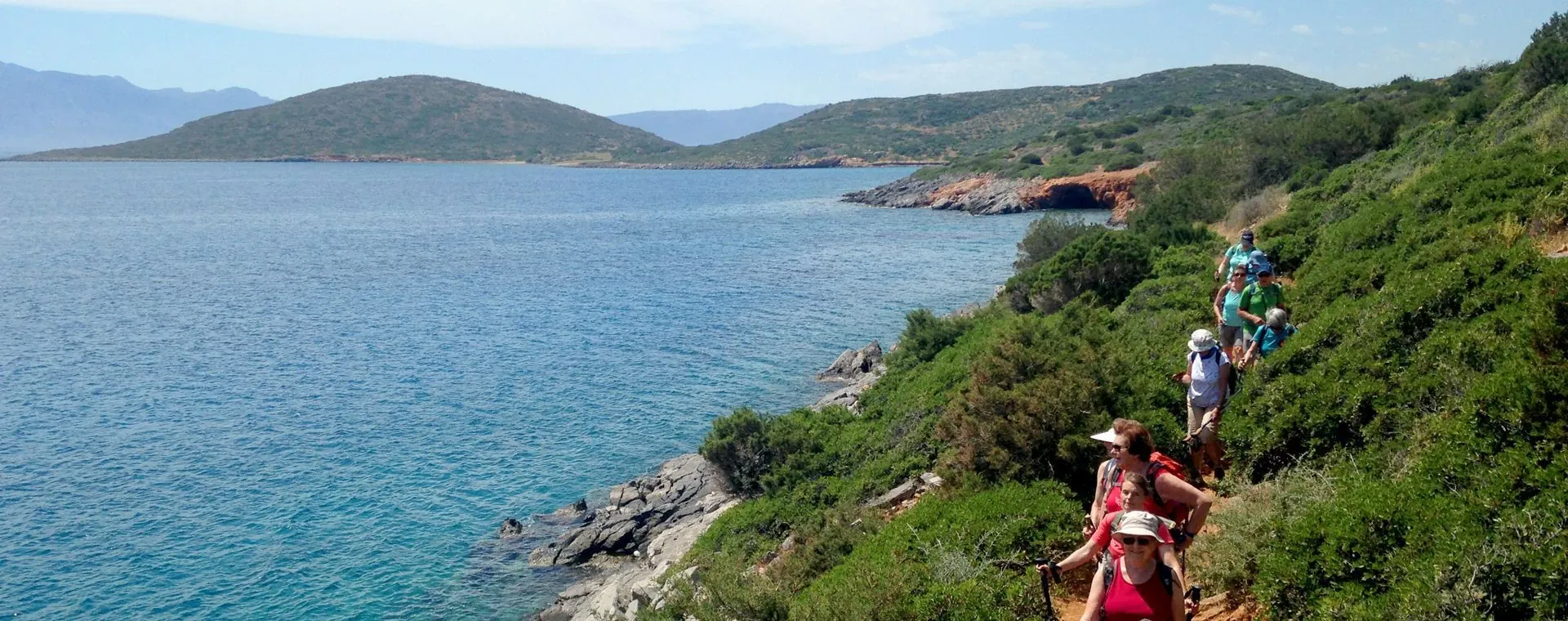
Twenty minutes of walking from Afionas, on a stony path lined with fragrant maquis, to discover a tongue of land separating two twin bays. Depending on the wind, you choose your shore. The water is an almost unreal blue, the visitors few, the sense of discovery intact.
Sifnos: the island where walking and eating are one pleasure

Sifnos has a network of waymarked paths some hundred kilometres long, kalderimia inherited from the time when people walked from one village to the next. The island is also the gastronomic capital of the Cyclades.
From Apollonia to Kastro
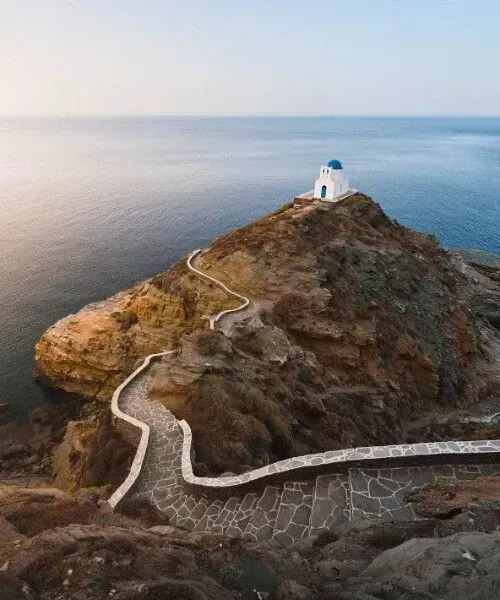
One of the finest paths on the island. You leave the lanes of the small capital for a kalderimi lined with dry-stone walls. White chapels punctuate the walk, and Kastro appears, clinging to its cliff. This fortified village offers from its terraces a panorama of quiet beauty, with a Greek coffee facing the blue of the Aegean.
The bay of Vathy
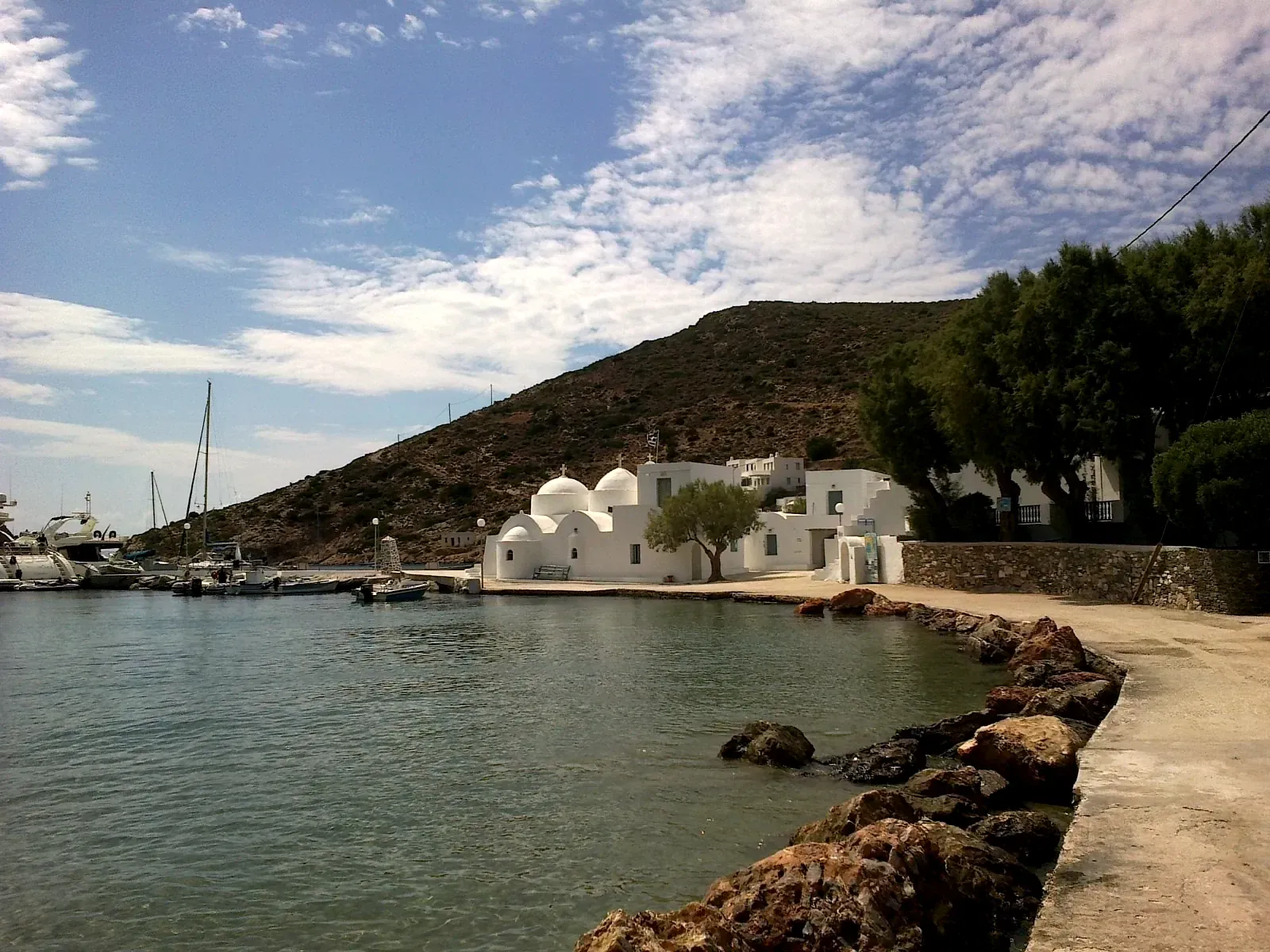
A coastal path following deserted coves before emerging at this round bay, almost closed, sheltered from the winds. A few houses, a monastery, and tavernas whose reputation reaches well beyond the island’s shores. This is where you taste the best of Sifnian cooking, feet in the sand.
From Faros to Chrysopigi
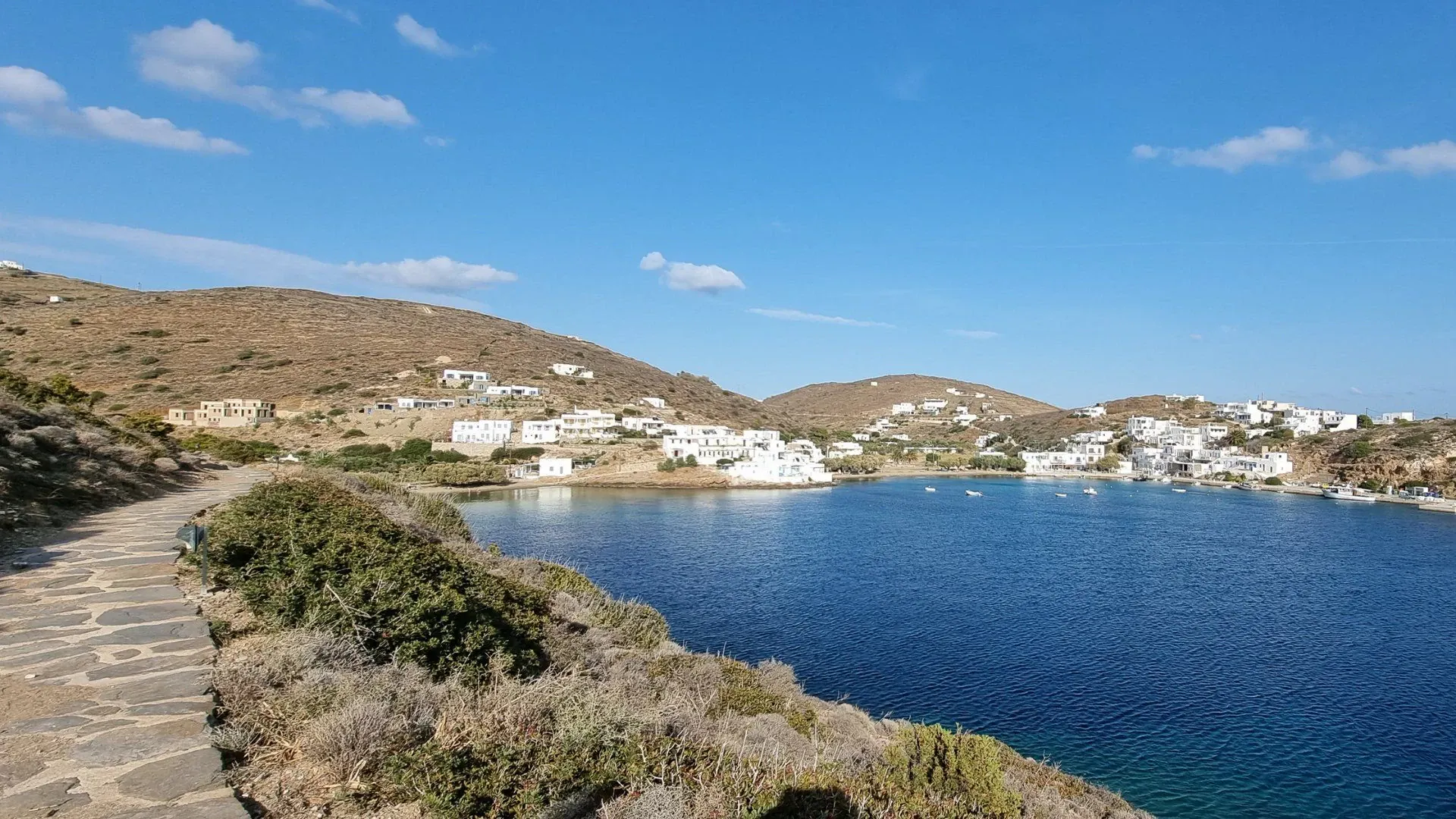
The south coast holds a walk of great gentleness. You swim at Glyfos, dry in the sun on the rocks, then reach the monastery of Chrysopigi, set on its promontory. The most famous image of Sifnos, and one of the finest in the Cyclades.
Santorini: the caldera on foot
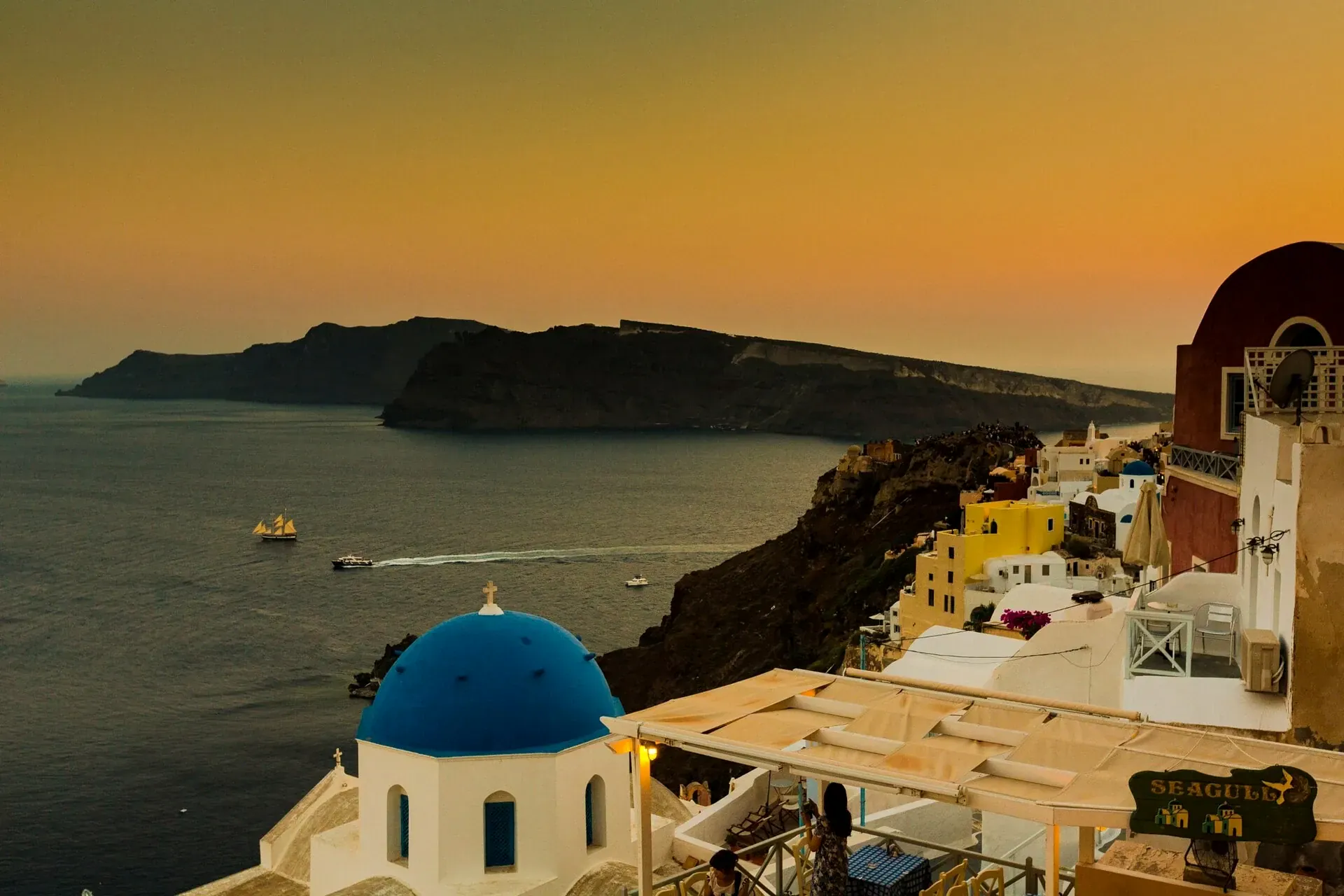
Santorini is not just its sunsets. The ridge path between Fira and Oia, 10 km facing the caldera, is among the finest walks in all of Greece. Further on, the basket-trained vineyards, the fortified villages and the Akrotiri lighthouse hold surprises for those who dare to leave the terraces.
Naxos: the largest Cycladic island on foot
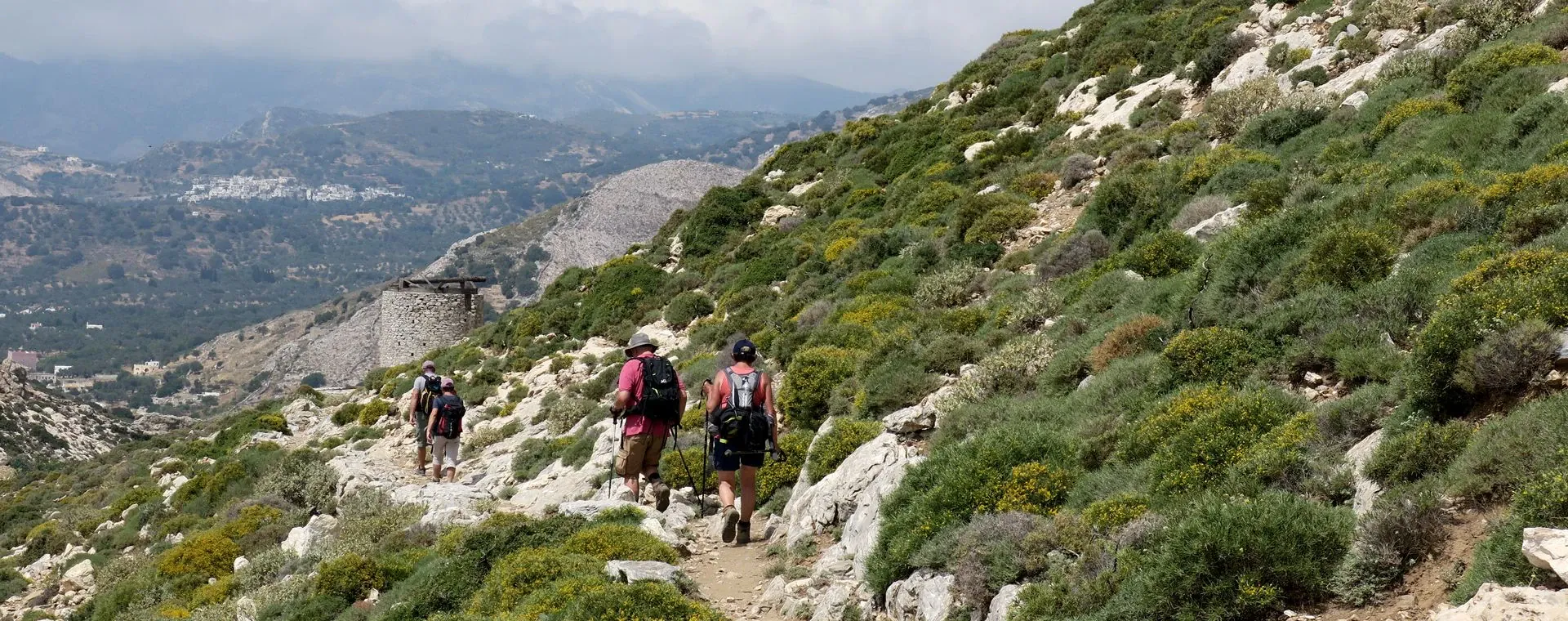
Naxos is the walkers' island par excellence in the Cyclades. Mount Zeus, the highest point of the archipelago, the Tragea valley with its Byzantine churches hidden beneath the olive trees, and the southern coastal paths leading to deserted beaches make up varied and generous walking country.
Amorgos: the island of The Big Blue on foot
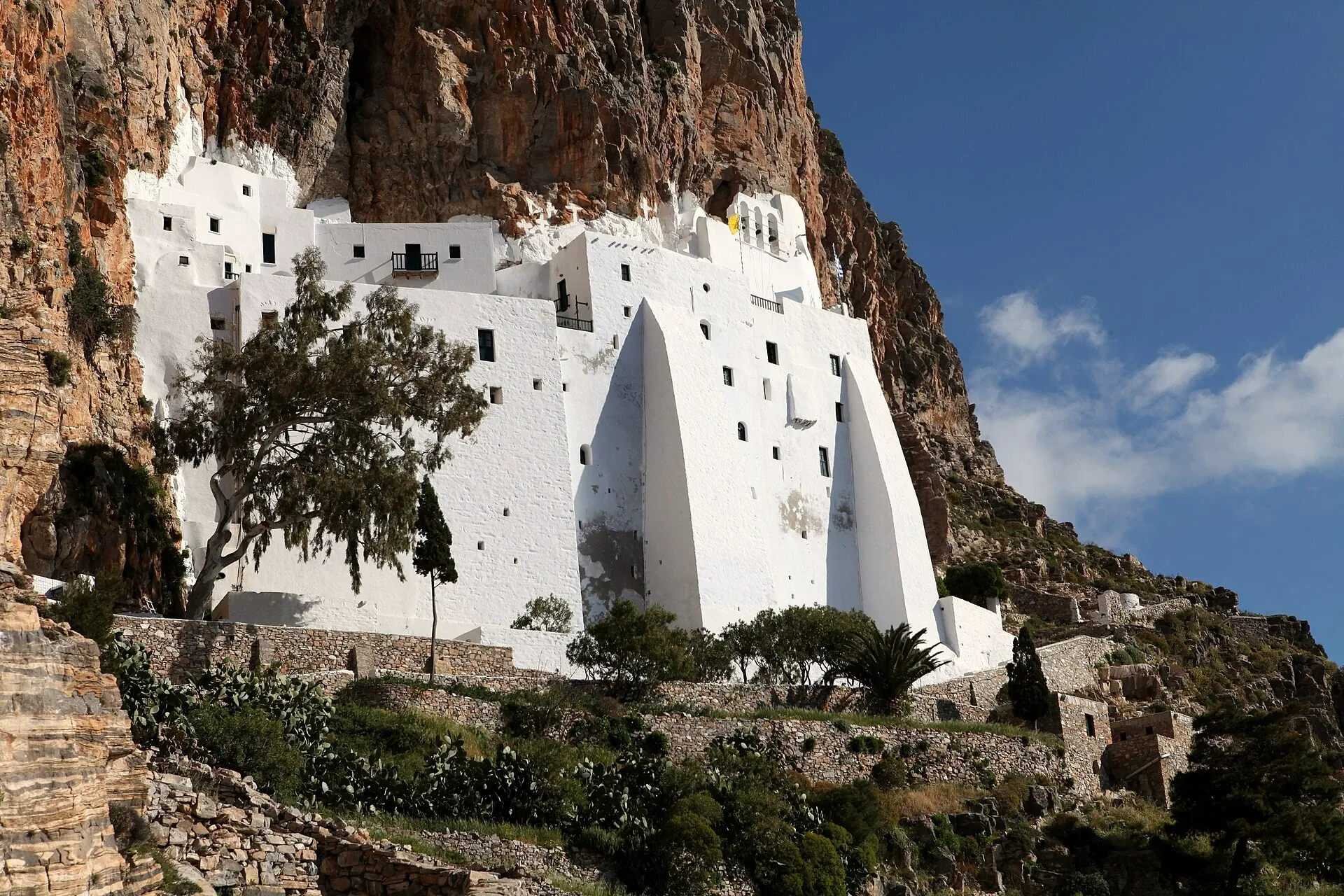
Amorgos is the wildest of the Cyclades that travellers visit. The monastery of Hozoviotissa, clinging to its cliff above the sea, the traverse of the island from Chora to Aegiali along the ridges, and the perched villages of Tholaria and Langada make up walks of a harsh, luminous beauty.
Peloponnese: the cradle of antiquity to be walked
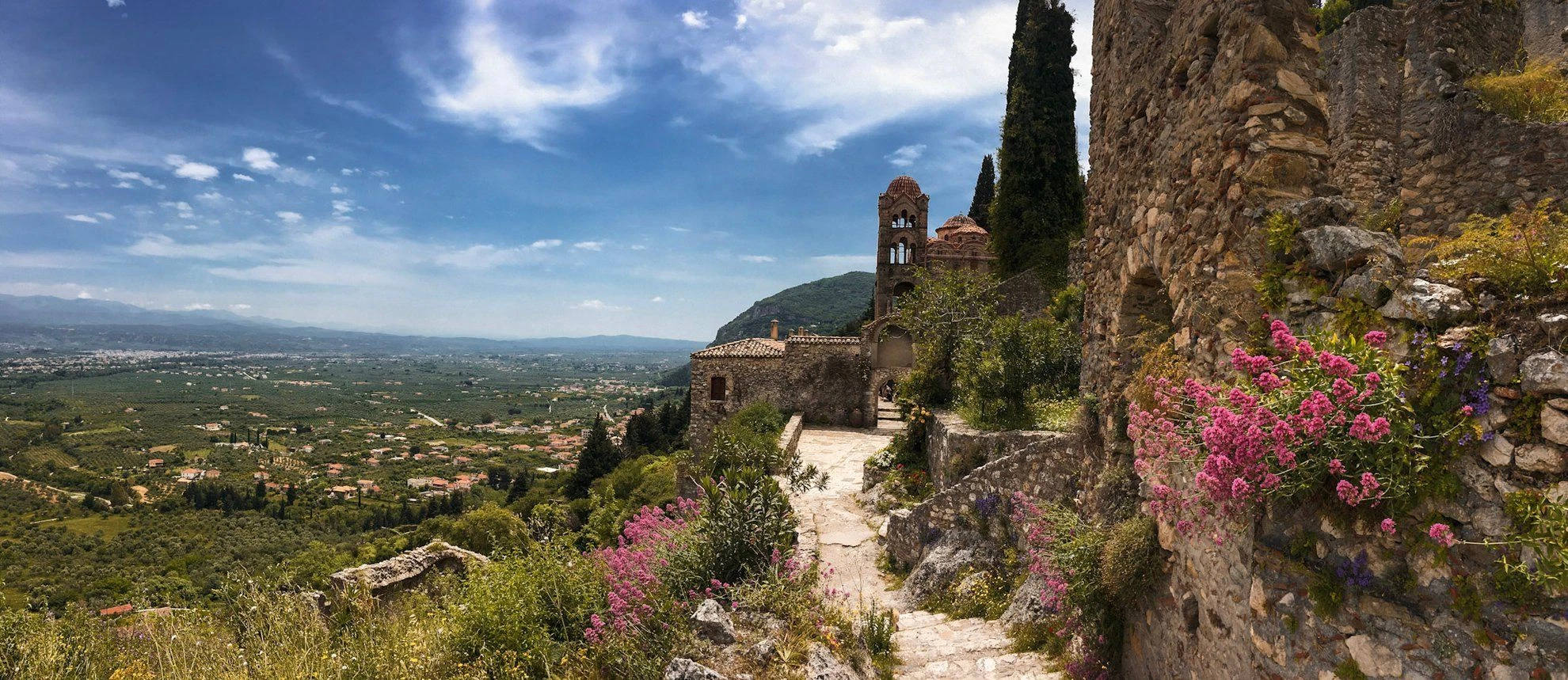
The Peloponnese offers a rare mix of ancient sites, mountain villages and unspoilt coasts. Its paths cross gorges, follow cliffs and lead to mythological sites forgotten by mass tourism.
The Mani
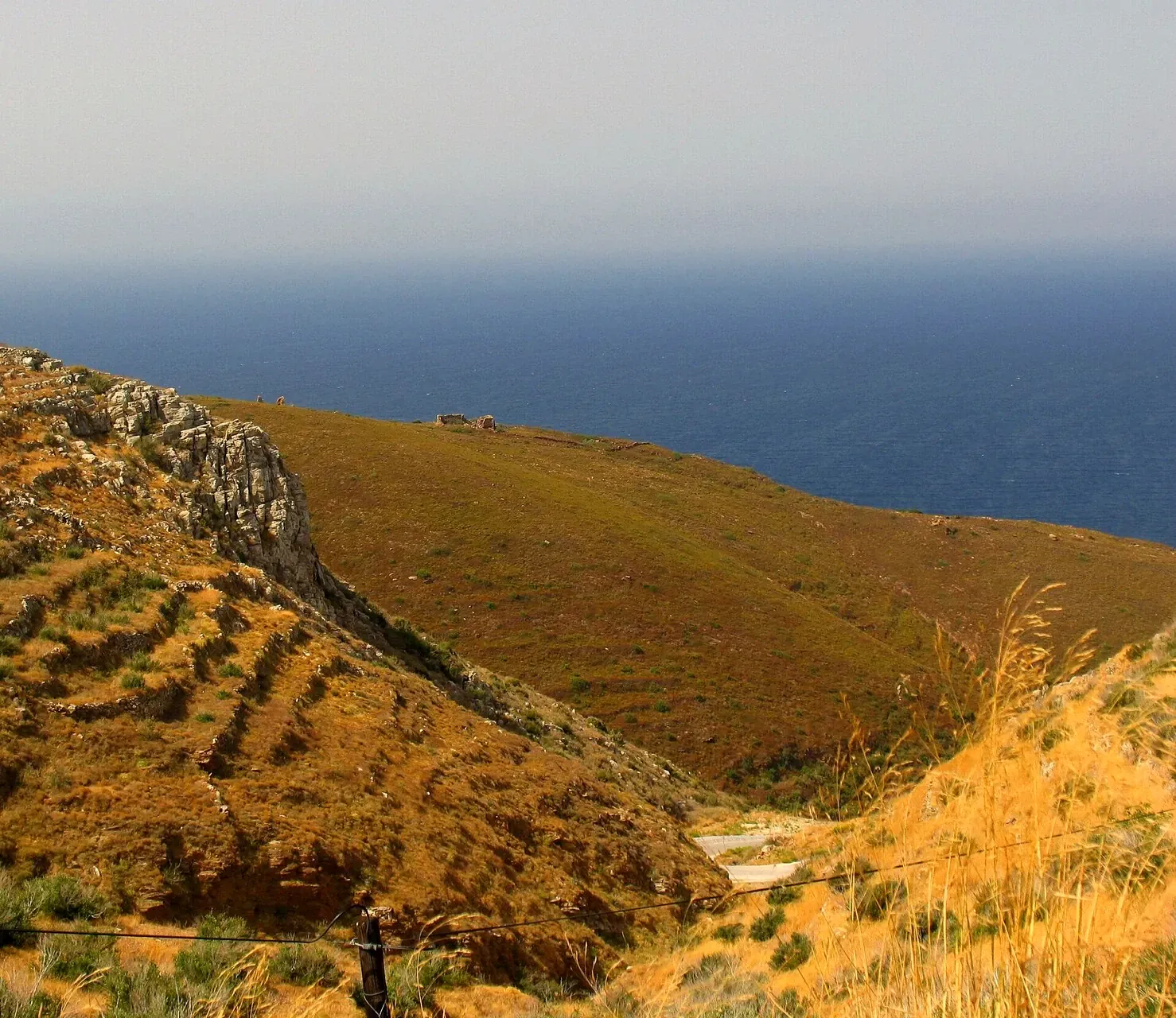
This wild peninsula, in the south of the Peloponnese, is one of the best-kept secrets in Greece. The paths link villages of medieval towers, descend to isolated coves and cross centuries-old olive groves. The light of the Mani has a particular quality, golden and intense, that gives the landscapes the depth of a painting.
The Vouraikos gorge
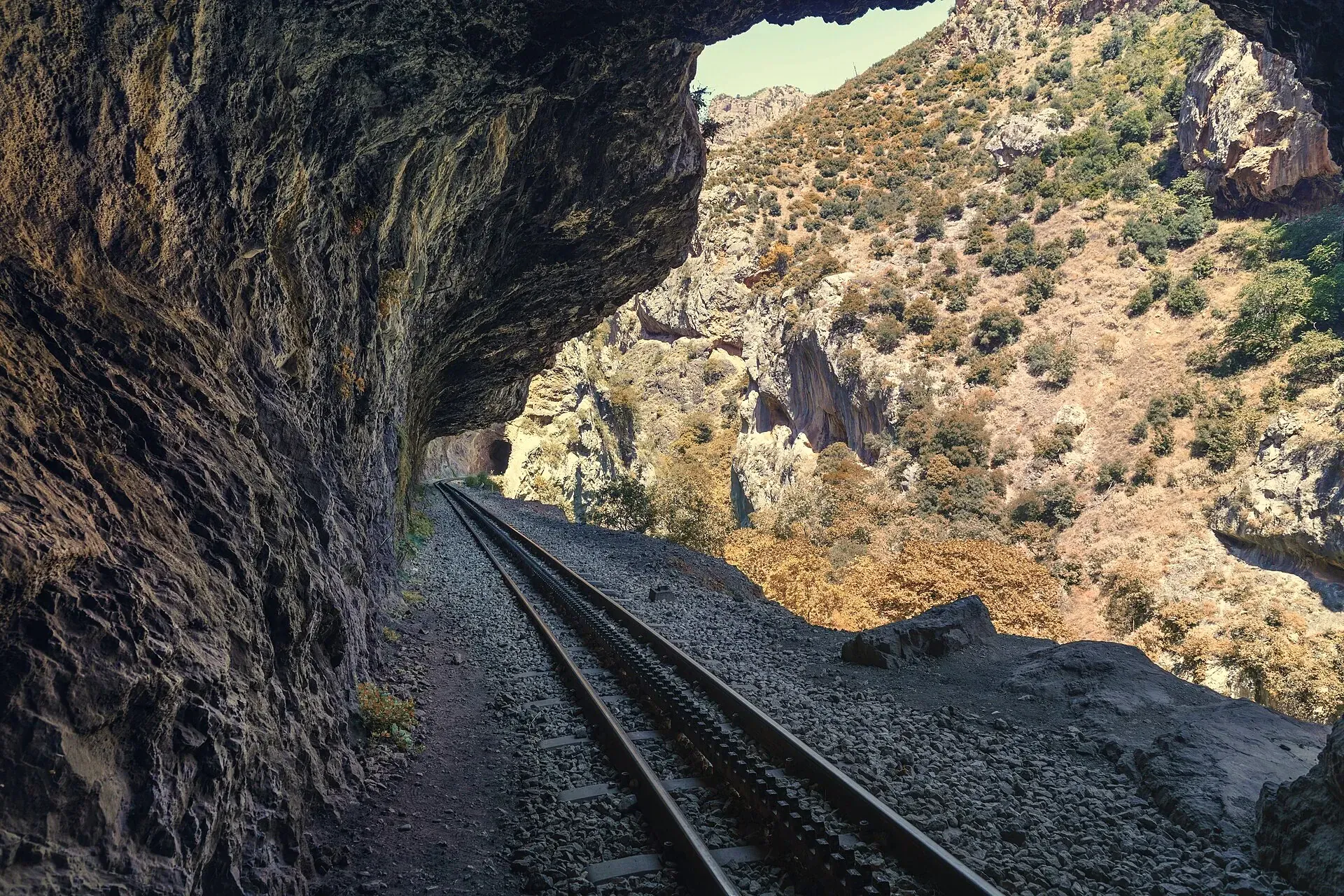
A spectacular path following the gorge used by the famous rack railway linking Diakofto to Kalavryta. The rock walls rise on either side, the torrent roars below, and the lush vegetation creates tunnels of greenery. On arrival, the monastery of Mega Spilaio is worth a visit.
Which Greek island should you choose for walking?
These islands are not all alike, and the right choice depends on what you are after: gentle walking, escaping the crowds, savouring the table or discovering Greece for the first time. Our guide to choosing your Greek island points you by mood and by pace. And if you are hesitating between two neighbouring Cyclades, our comparison Naxos or Paros settles it from the point of view of an epicurean walker.
Practical advice

When to go. Spring (April to June) offers paths in flower, mild temperatures and sites still free of the crowds. Autumn (September to November) brings a golden light, a sea still warm for swimming and the first olive harvests.
Equipment. Good walking shoes, a hat, sun cream and enough water. Most paths have no resupply point. Slip a swimsuit into your bag: many walks end at a cove.
Gorges. Check the opening dates before setting off. Samaria generally closes in mid-October, and some gorges can be impassable after heavy rain.
Discovering Greece on foot with Kelifos
All our walking holidays in Greece are designed for the pleasure of discovery. Your luggage awaits you each evening in a charming hotel, our route notes guide you to the best addresses, and you have only to enjoy the path. Self-guided or with an enthusiastic leader, the pace is yours to choose.
Article written by
Maria Papadopoulou (Μαρία Παπαδοπούλου)
Editorial lead
I hike, and Greece is the place I keep coming back to. My initial studies (a Master’s in Marketing and a degree in Applied Foreign Languages) taught me how to build an editorial project, and the trails taught me the… Read more


