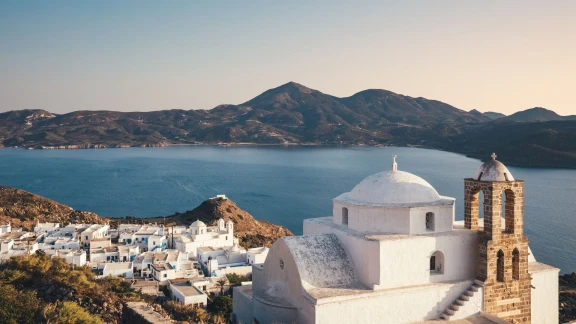


You are hesitating between two neighbours in the western Cyclades, and that is quite natural: as the crow flies, barely a few nautical miles separate Sifnos from Serifos. Yet once you are there, you discover two atmospheres that are nothing alike. On one side, an island of flavours and white villages linked by old paved paths. On the other, a more mineral land, almost wild, where silence still has a right to exist. Choosing between Sifnos and Serifos means, above all, choosing a mood. Here is what you need to decide, in all honesty.
| In brief | Two neighbouring islands, two temperaments: the table and the villages on one side, raw nature and calm on the other. |
| Choose Sifnos if… | You like good food, gentle walks on handsome paved paths and lively white villages. |
| Choose Serifos if… | You are looking for calm, deserted coves and a spectacular Chora, far from the crowds. |
| Best season | From May to June, then September to October: soft light, a sea still warm, few people. |
| Pace | Gentle on both islands, at your own rhythm, between walking, swimming and terraces. |
| Our holidays | Good news: our Cyclades trips take you to both. No need to decide. |
Sifnos: the table, the villages, the paved paths
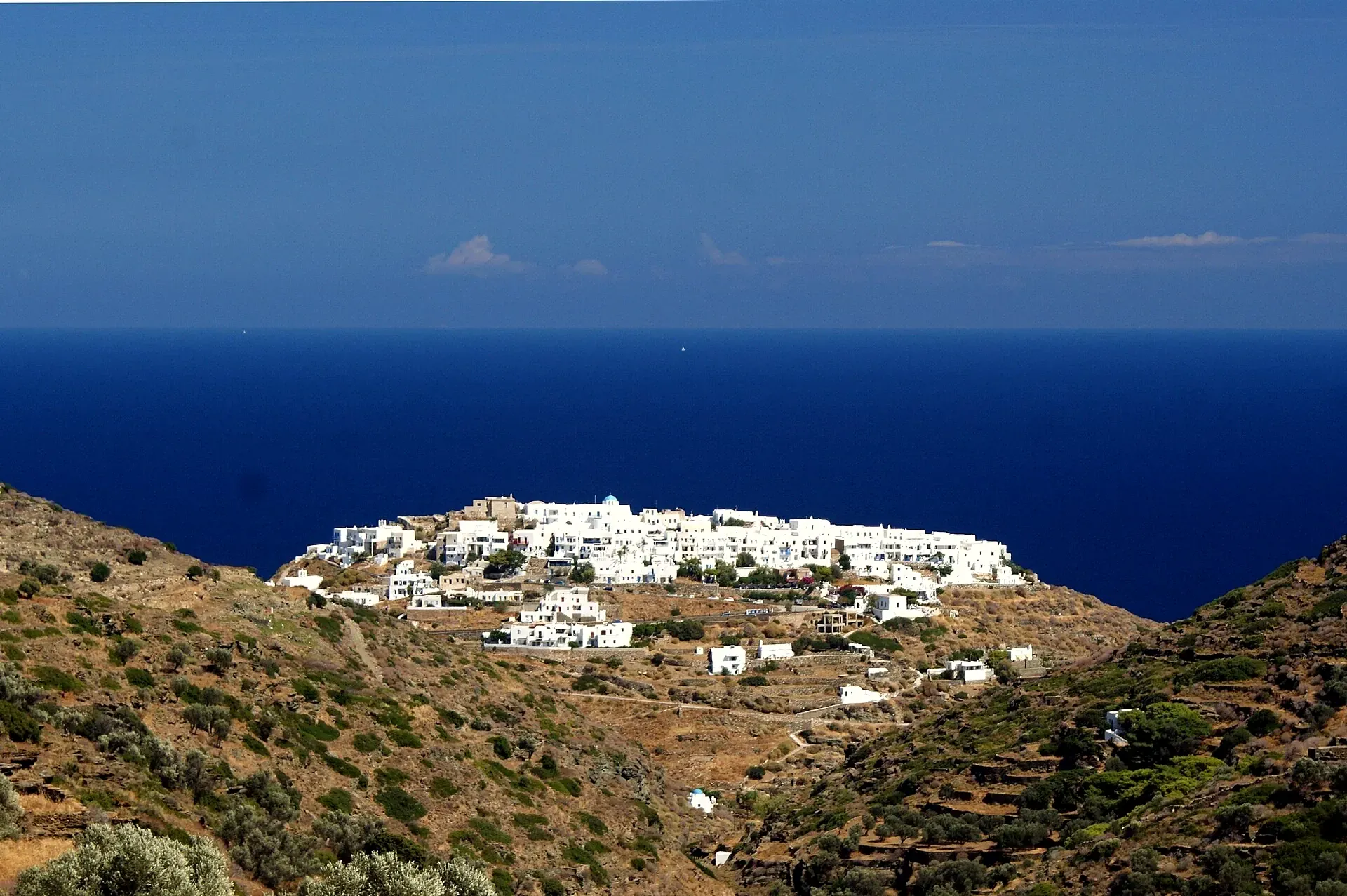

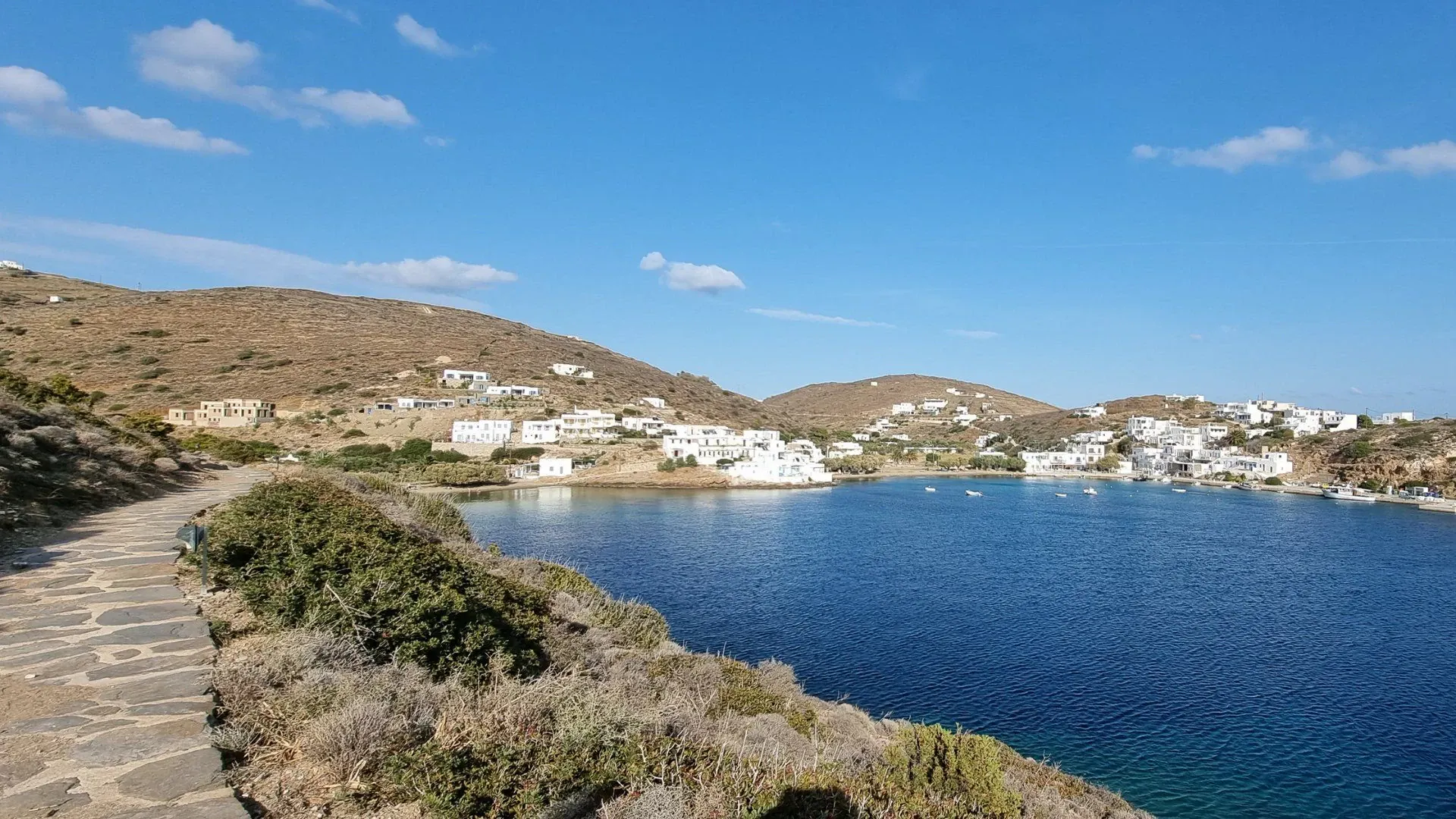
If you had to sum up Sifnos in one word, it might be flavours. The island passes for the gastronomic capital of the Cyclades, and that is not a guidebook legend: this is where Nikolaos Tselementes was born, author of the most famous cookery book in Greece. Here they simmer revithada, a chickpea stew cooked all night in an earthenware pot, and mastelo, lamb braised in red wine in a ceramic jar. Both dishes come out of the same pottery still shaped by a few craftsmen on the island, heirs to a thousand-year-old skill.
Sifnos is discovered gently, on foot. The island has a network of waymarked paths of about a hundred kilometres, woven from kalderimia, those old paved ways that once led from a village to a chapel, from a mill to a potter's workshop. The finest probably links Apollonia, the small capital, to the medieval village of Kastro, perched on its cliff like a swallow's nest. Another path leads to the monastery of Profitis Ilias, set on the highest point of the island, a haven of silence overlooking the whole archipelago. Along the way you will pass immaculate chapels, dry-stone walls and, as the high point, the view over the Aegean.
The villages, indeed, are one of the great pleasures of Sifnos. Apollonia and its neighbour Artemonas, the more elegant of the two with its neoclassical houses and flower-filled gardens, are 10 minutes' walk apart. Lower down, on a promontory joined to the land by a slender stone bridge, the monastery of Chryssopighi composes one of the most famous images in all the Cyclades. You linger there at sunset, when the rock takes on an orange tint and the sea grows calm.
Sifnos is, at bottom, the island of the art of living: you walk a little, you eat well, you drift from village to village. It is an ideal destination if you like to feel local life around you, café terraces, craft shops, and a certain gentleness of existence.
Serifos: raw nature, calm, a spectacular Chora
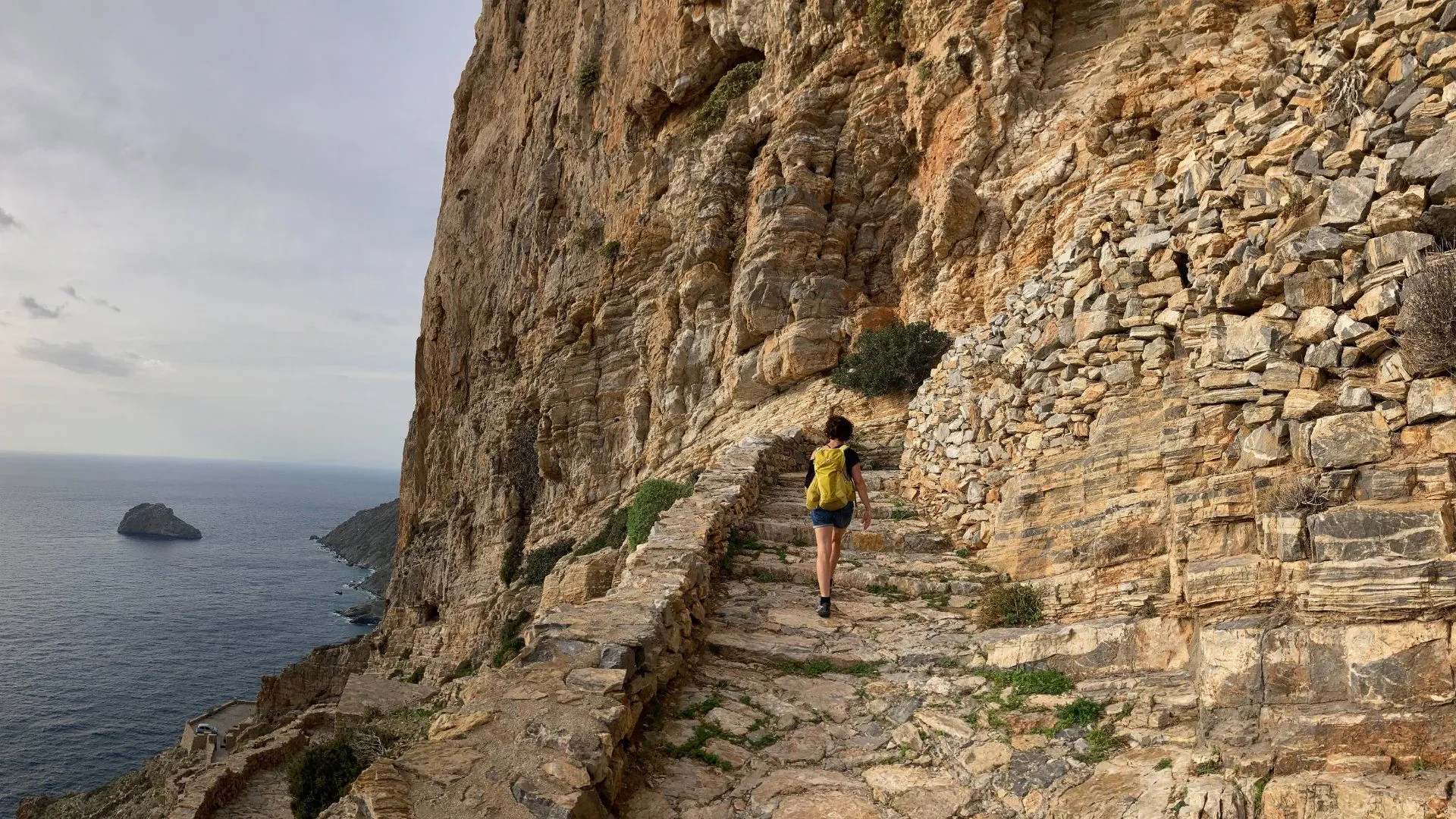
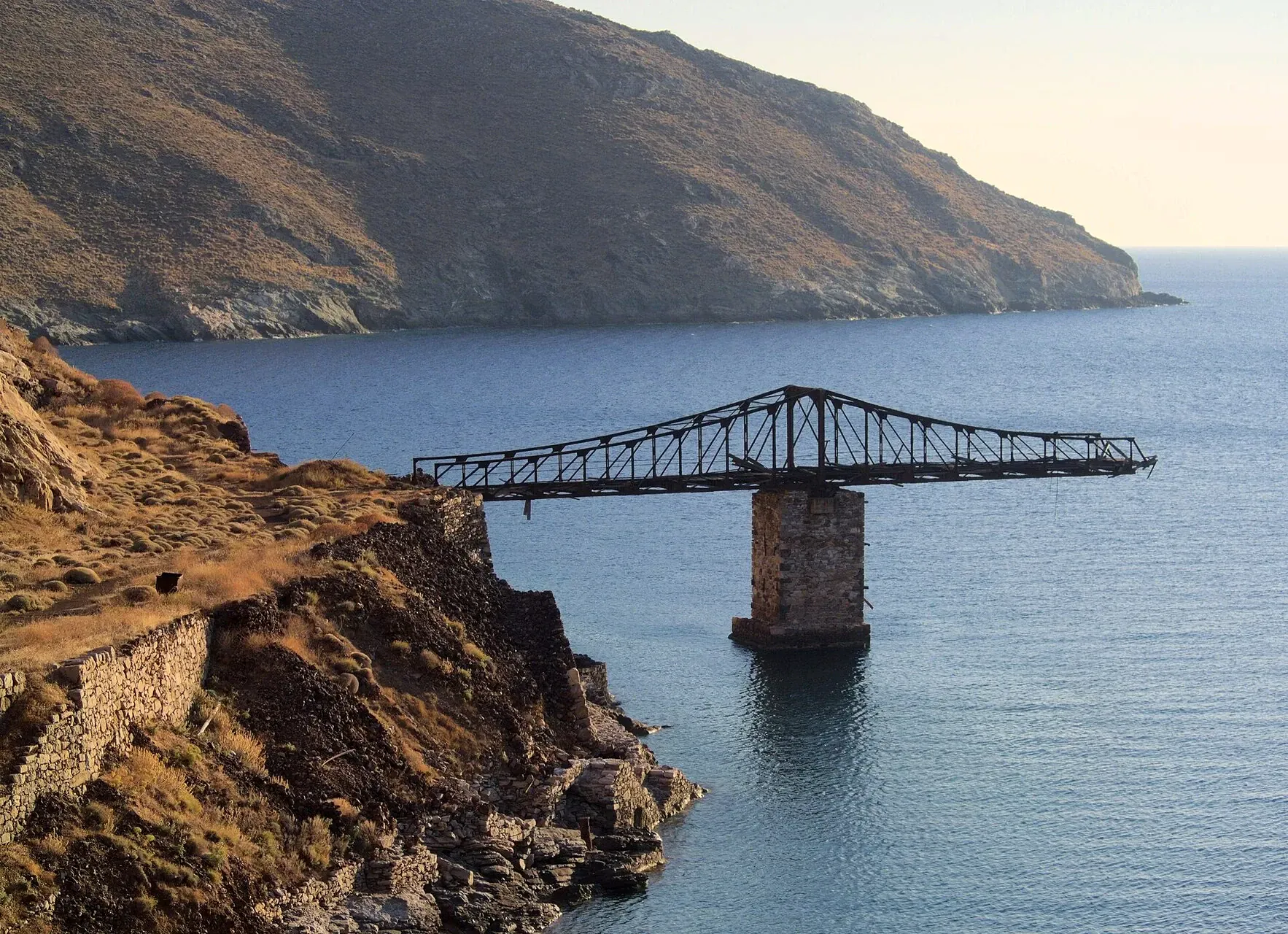
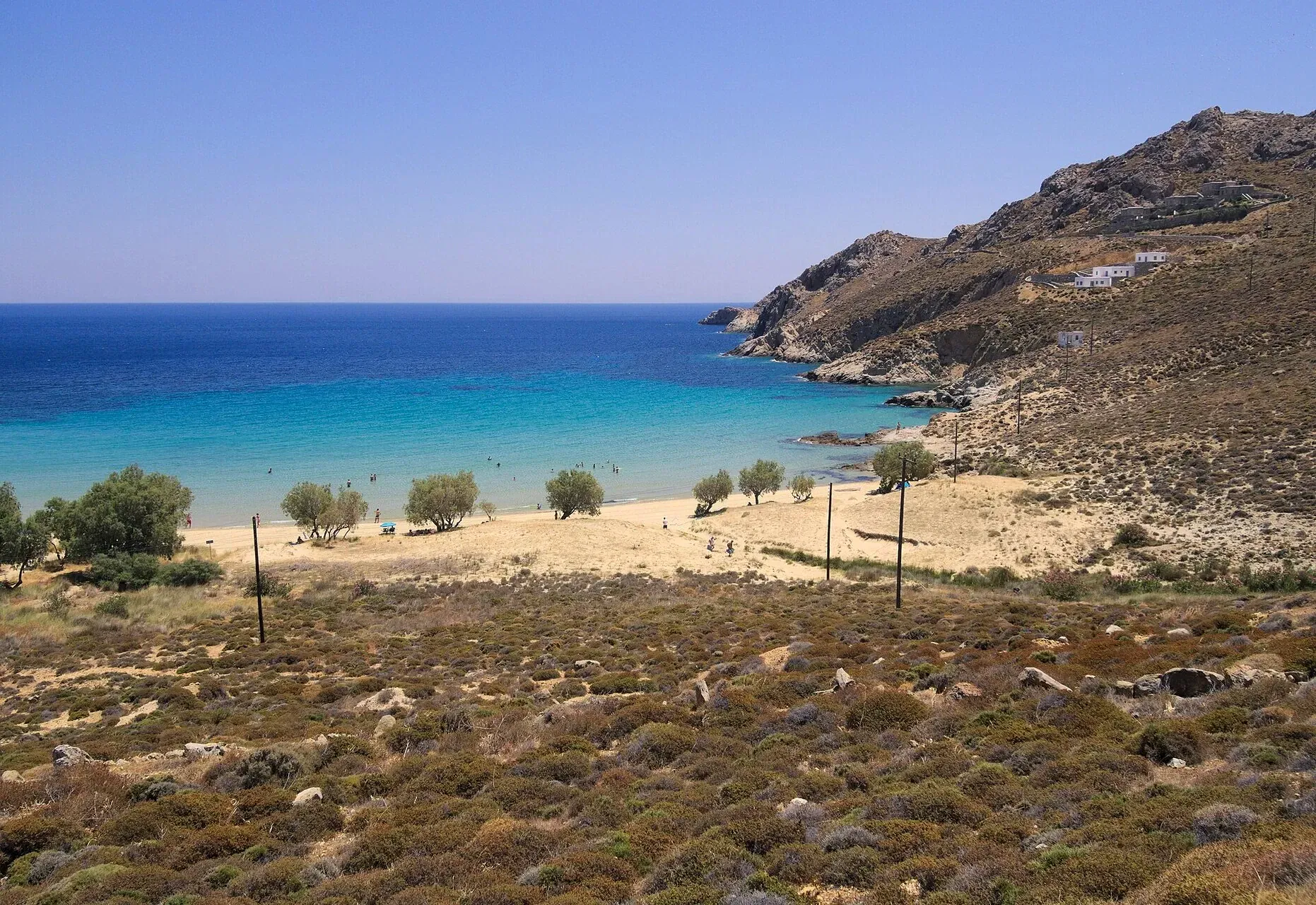
Its neighbour plays quite another tune. Serifos is wilder, more mineral, sometimes almost lunar. The island has no airport, and that is probably what has preserved it: here, visitors remain rare, and you find again the silence that many Greek islands have lost. With barely more than a thousand inhabitants, Serifos is among the least populated islands in Greece.
Its jewel is the Chora. The village tumbles down a steep hill in a cascade of white houses, as far as the ruins of a Venetian castle that crowns the summit. From up there, the panorama takes in the whole island and the sea all around. Many hold it to be one of the finest Choras in the Cyclades, and you understand why when you arrive at nightfall, when the houses turn to gold and the windmills stand out against the sky.
Serifos also keeps the memory of a mining past. Until the 1960s, iron ore was extracted around Megalo Livadi and Koutalas, in the south of the island. The remains of that era, wagons, rails and loading buildings, punctuate the paths today and give the walk a particular flavour, a touch melancholy.
On the sea side, Serifos unrolls a long coastline and a fine collection of coves, many of which stay deserted for a good part of the year. Psili Ammos beach, with its pale sand and translucent water, regularly figures among the finest in Europe. You reach it on foot by a gentle path, and you often have the impression of having it entirely to yourself. That is the spirit of Serifos: few people, plenty of space, and the rare luxury of tranquillity.
Why not choose: two neighbours easy to link
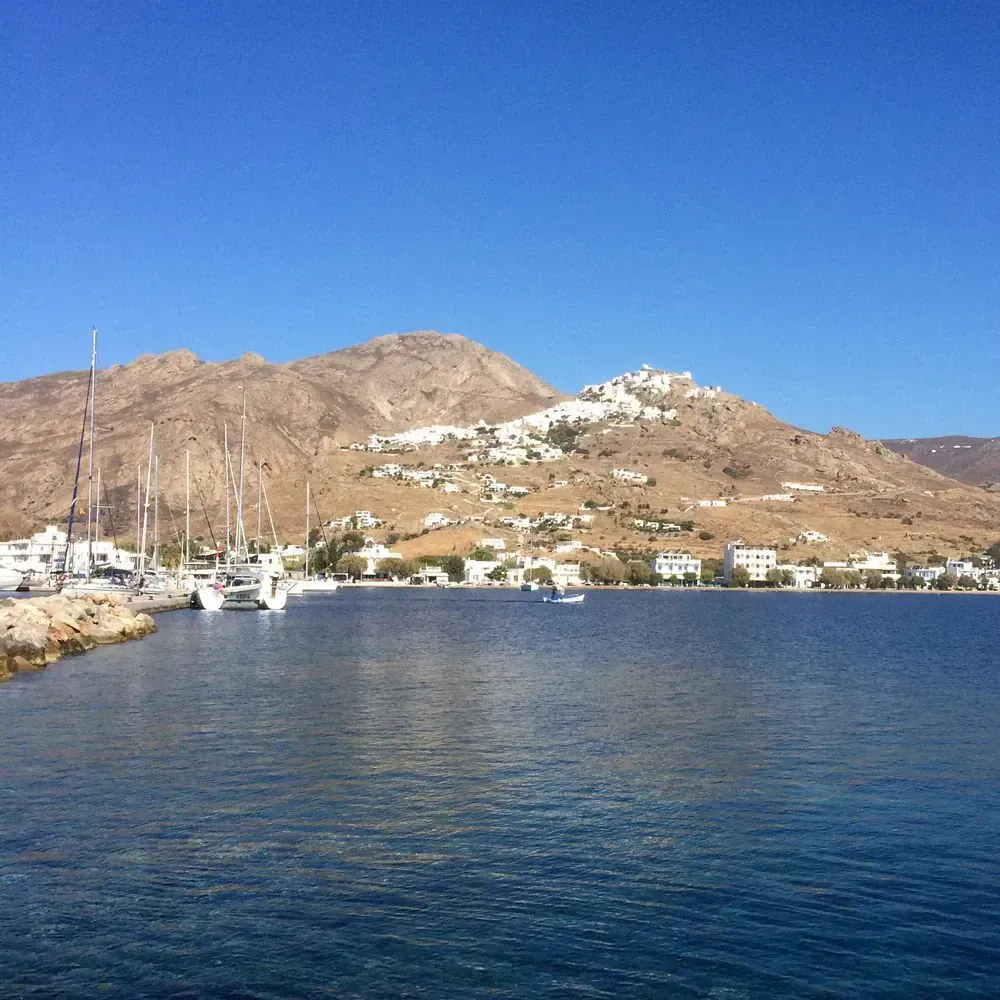
Here is a secret few people know before setting off: Sifnos and Serifos are so close that you pass from one to the other in less than 40 minutes by boat, sometimes in around twenty minutes depending on the vessel. In high season, several daily services link the two ports. In other words, the question Sifnos or Serifos sometimes does not arise: you can very well taste both on the same trip.
Both islands belong to the western Cyclades and are reached from Athens through the port of Piraeus. Reckon on average 2 h 30 to 4 h of crossing, depending on whether you choose a fast ferry or a more classic boat. Many services in fact call at both islands on the same route, passing from one to the other: the crossing then becomes a sea walk through the archipelago, the deck in the wind and the islands sliding past.
That is precisely the logic of our trips: taking the time for each island, with no rushing and no complicated transfer to organise yourself. You arrive, your luggage follows, and all that is left is to walk, swim and enjoy. If you have a week or a little more, pairing Sifnos and Serifos (often with their neighbour Milos) makes up an itinerary of fine variety: the tables and villages of Sifnos, the wild coves and the silence of Serifos.
Sifnos or Serifos: our verdict, according to your mood
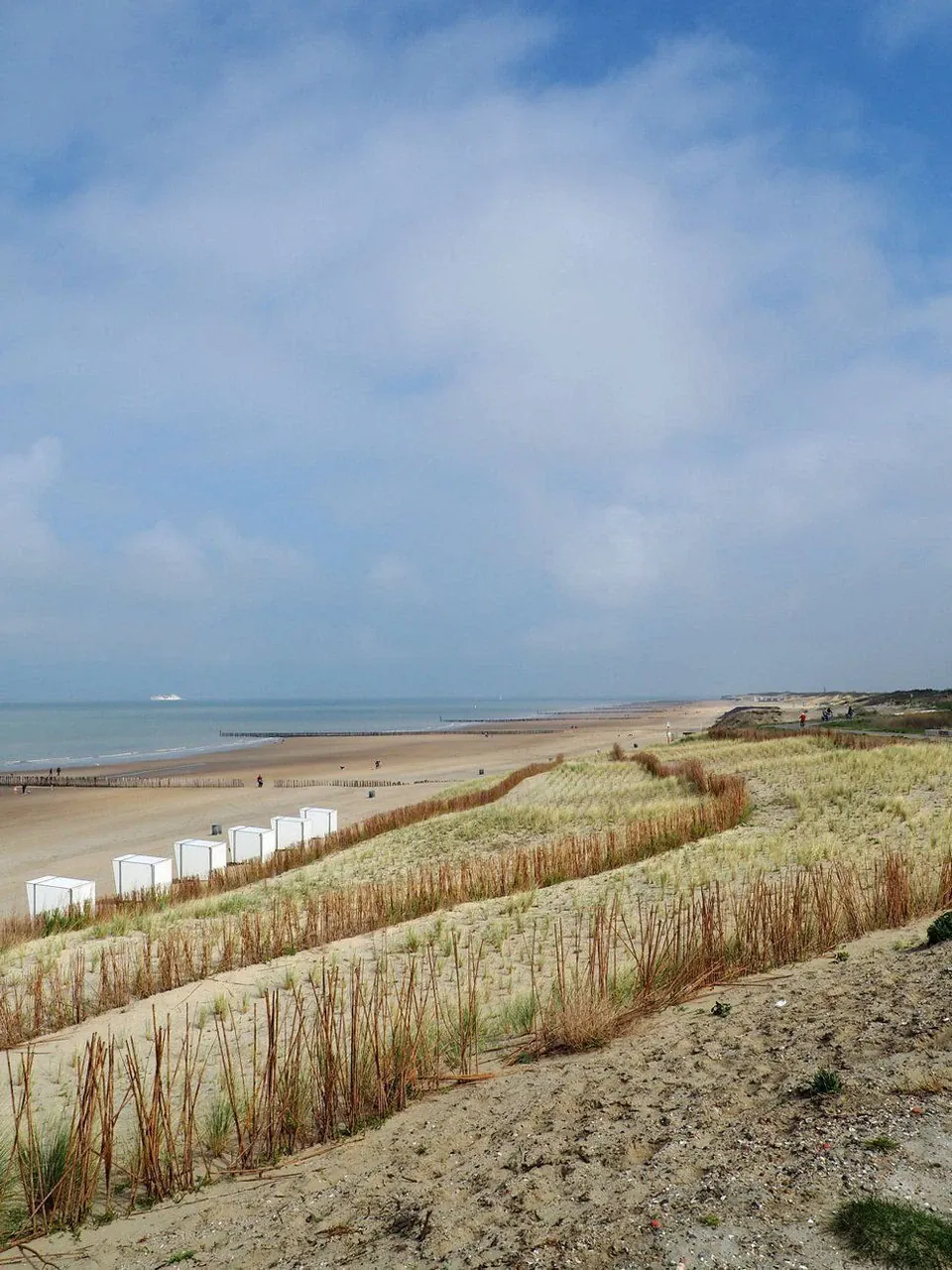
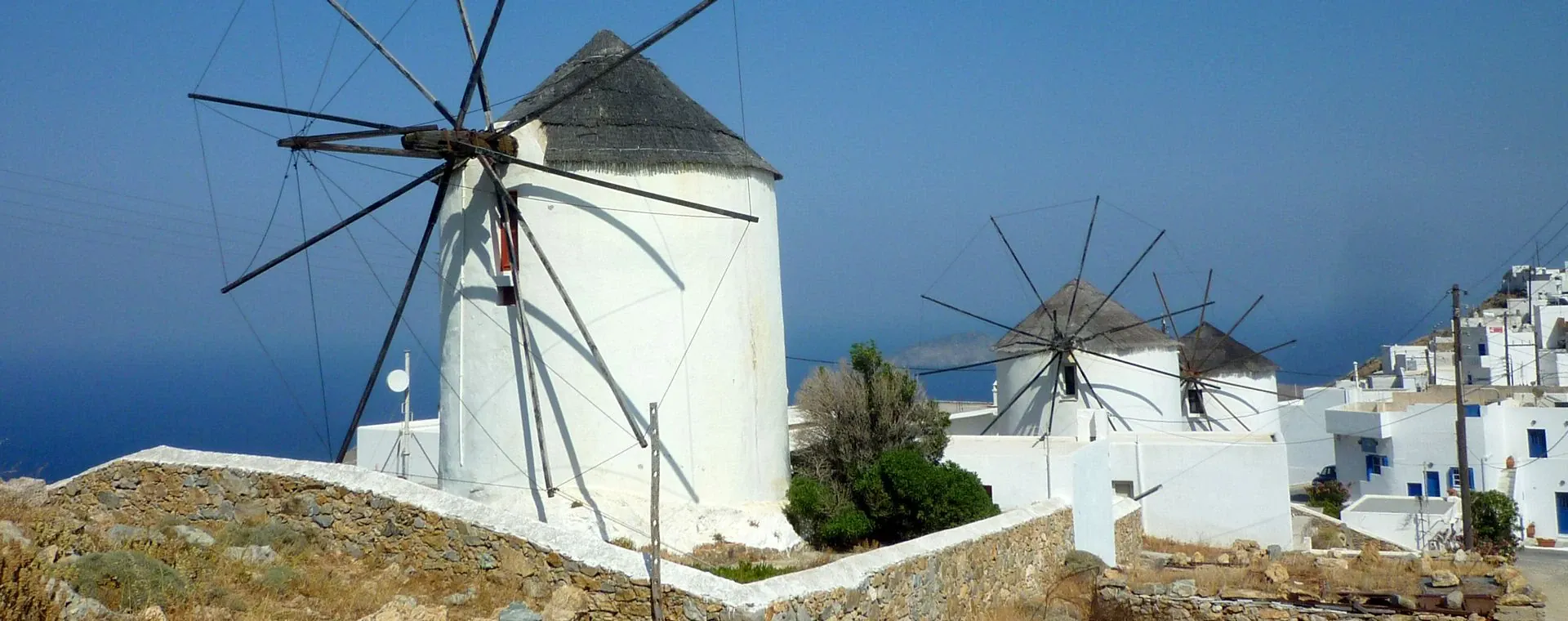
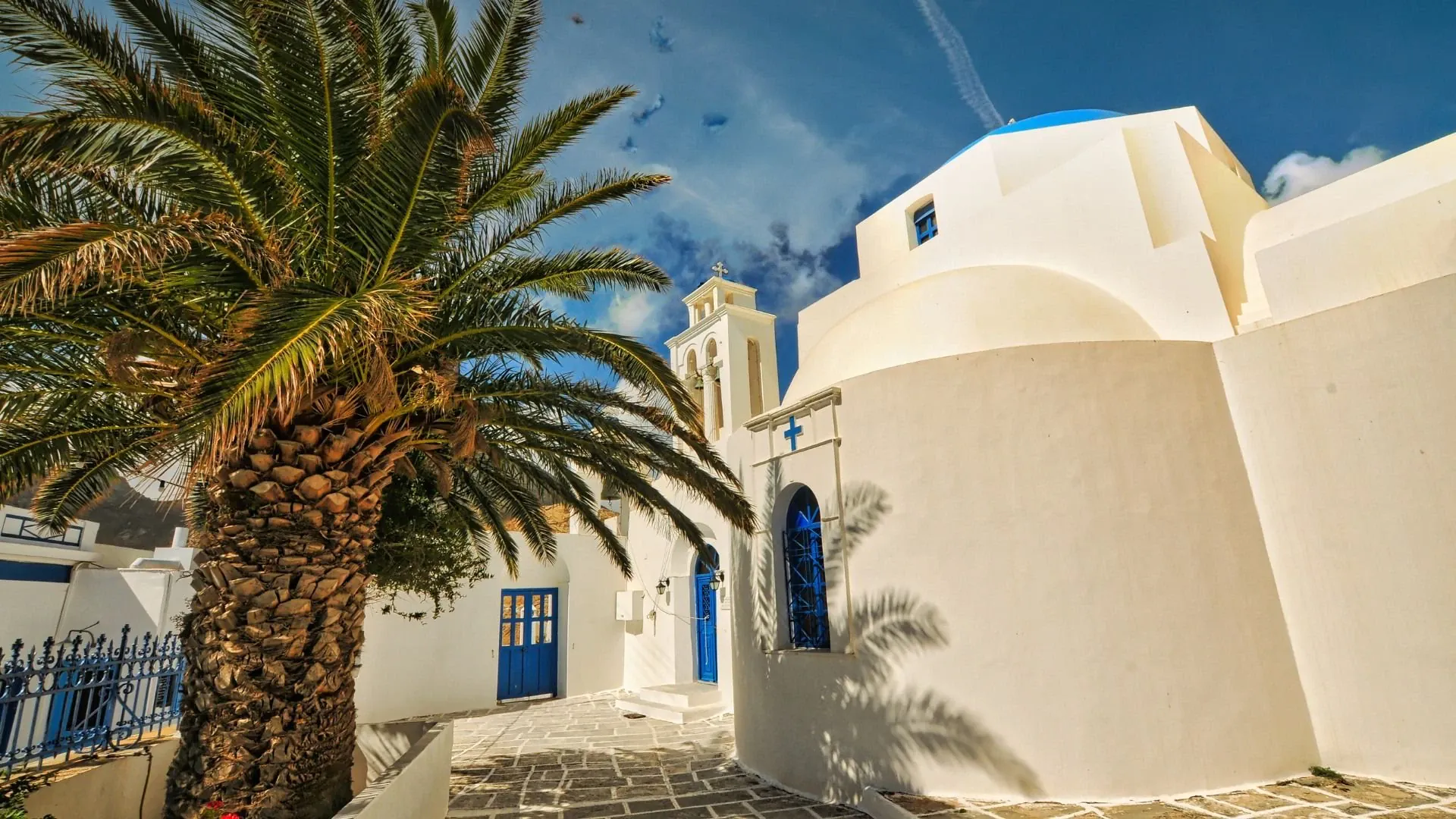
Let us say it frankly: there is no bad choice between these two islands, only different temperaments. It all depends on what you are looking for on this trip.
Lean towards Sifnos if you enjoy your food, if you like to sit down in good tavernas, walk quietly from village to village and feel a lively local life around you. It is the island of the table and the paved paths, perfect for anyone wanting to combine gentle walking with the pleasures of eating.
Prefer Serifos if you are looking above all for calm, wild spaces and coves where you hear nothing but the sea. It is the island of raw nature and tranquillity, ideal for really slowing down and escaping the crowds, with one of the finest Choras in the archipelago thrown in.
And if you truly cannot decide, the best news is that you do not have to. Our Cyclades trips link precisely these neighbouring islands, taking time for both. Our self-guided trip Cycladic enchantment: Serifos, Sifnos and Milos lets you make your way at your own pace between the three islands, with luggage carried and charming addresses booked for you. Would you rather have the good company of a small guided group? The guided holiday Sifnos, Milos and Kimolos, the enchanted Cyclades explores another facet of this peaceful corner of the archipelago, with a leader who knows its paths and its tavernas by heart.
To go further before booking, our article on walking in Sifnos details the loveliest paths of the island of flavours. And to place these two neighbours within the archipelago as a whole, take a turn through our Cyclades page, an ideal starting point for imagining your next trip to Greece.
Frequently asked questions about Sifnos and Serifos
Sifnos or Serifos: which one to choose for walking?
Both islands lend themselves to walking, gently and at your own pace. Sifnos has the most complete network, with about a hundred kilometres of waymarked paths and its famous kalderimia, the paved ways that link villages, chapels and old potters' workshops. Serifos is walked on wilder paths, often solitary, which follow the coves and cross the remains of the mines in the south. If you like stringing together villages and good tables, Sifnos will delight you; if you dream of deserted spaces and tranquillity, Serifos is for you.
Where can you find a map or a walking itinerary on Sifnos and Serifos?
To prepare it yourself, the Greek topographic maps from Anavasi and Terrain cover the Cyclades and mark the main paths; you will find them in travel bookshops or on the spot. Simpler still, our self-guided trips give you detailed route notes, with the itineraries described step by step and the tracks to follow, with nothing to organise. The trip Cycladic enchantment: Serifos, Sifnos and Milos thus lets you make your way in complete independence, with a free mind.
How many days should you allow to discover Sifnos and Serifos?
Reckon on 3 to 4 days per island to savour the essentials without hurrying: time to walk from village to village, to sit down in the evening and to enjoy the beaches. To link the two neighbours, often with Milos, a short week is ideal. That is precisely the format of our holidays, which take time for each island with no complicated transfer to organise yourself.
Sifnos for the table, Serifos for the calm: how to settle it?
That is probably the fairest division between these two neighbours. Sifnos is the gastronomic capital of the Cyclades, with its tavernas, its pottery and its lively villages: you come for the pleasure of the table as much as for the walking. Serifos, more mineral and unspoilt, offers the luxury of calm, deserted coves and one of the finest Choras in the archipelago. The guided holiday Sifnos, Milos and Kimolos, the enchanted Cyclades in fact marries these two pleasures, with a leader who knows the paths and the tavernas by heart.
Your question is not on this list?
Write to us, and we will reply to you personally by email.
Continue reading
- Which Cyclades island to choose for the trip you have in mind?
- Naxos or Paros: which Cycladic island suits the trip you want?
- Hiking in Sifnos: the island of flavours on foot
- Hiking in Greece: the best trails island by island
Article written by
Maria Papadopoulou (Μαρία Παπαδοπούλου)
Editorial lead
I hike, and Greece is the place I keep coming back to. My initial studies (a Master’s in Marketing and a degree in Applied Foreign Languages) taught me how to build an editorial project, and the trails taught me the… Read more