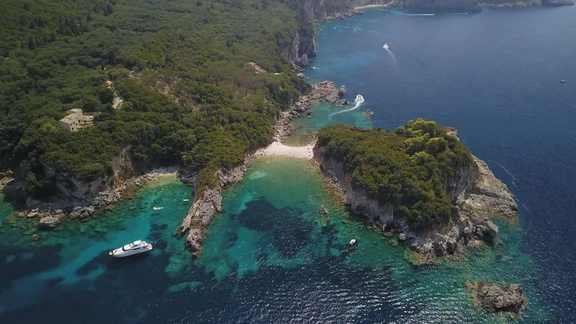


Picture this: you leave the Greek mainland at the wheel, you cross a long causeway laid across the lagoon, a small bridge swings aside to let a sailing boat through, and there you are on an island without having taken a single ferry. That is the whole singularity of Lefkada (Leucade in French), the most accessible of the Ionian islands. At the end of the road await beaches beneath cliffs of a dazzling white, mountain villages where embroidery is still done by hand, and tavernas at the water’s edge where the fish goes from boat to plate. Here is what we would have liked to know before discovering this luminous island, to be taken entirely gently.
| In brief | Lefkada, the Ionian island you reach by car, between the great beaches of the west coast and authentic mountain villages. |
| Ideal for | Epicurean travellers who want an island without ferry logistics, with swimming, gentle walks and good food. |
| Best season | May-June and September-October: mildness, warm sea, and the west coast emptying out. |
| Pace | At your own rhythm, by car, with short walks towards the beaches and the waterfalls. |
| Our trip | Free inspiration: see the guide to the Ionian islands. |
An island you reach by car, without a ferry
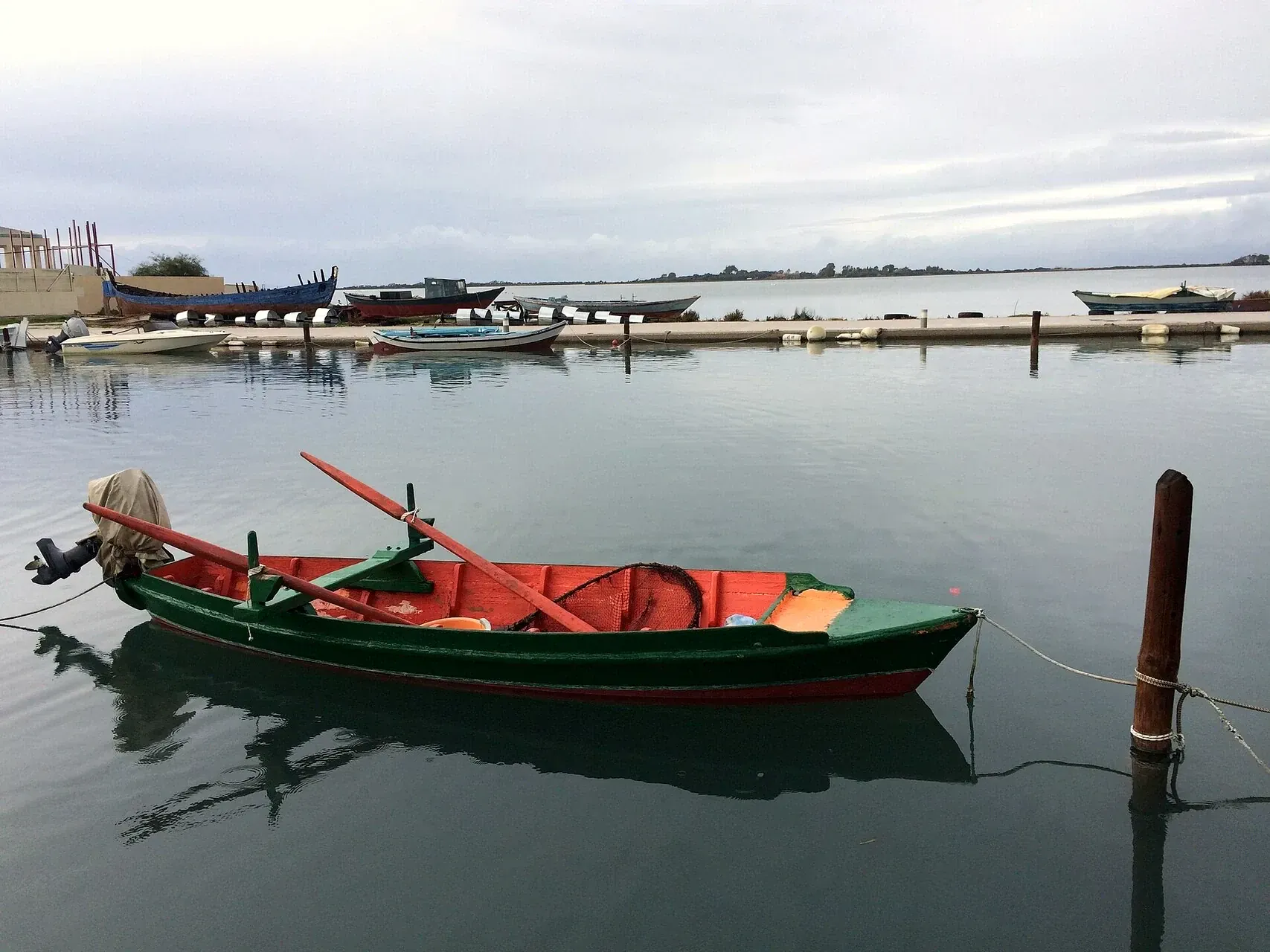
That is the first good surprise of Lefkada: you arrive there by road. A narrow causeway and a small moving bridge link the island to the mainland, at the level of the town of Lefkada. The bridge opens regularly to let boats through, the cars wait a few minutes, then everything moves off again. No crossing to book, no ferry timetable to watch, no luggage to carry from one deck to another. For anyone who likes to travel without constraint, it is a real comfort.
Reckon on about 5 h by road from Athens if you combine Lefkada with a stay on the mainland. Simpler still, Preveza (Aktion) airport is only some twenty minutes away, just opposite: you land, pick up a car, and you are on the island before you have had time to think about it. This ease of access explains the particular atmosphere of Lefkada, more continental than its purely maritime neighbours, while keeping a real island identity as soon as you move away from the bridge.
The west coast and its great beaches
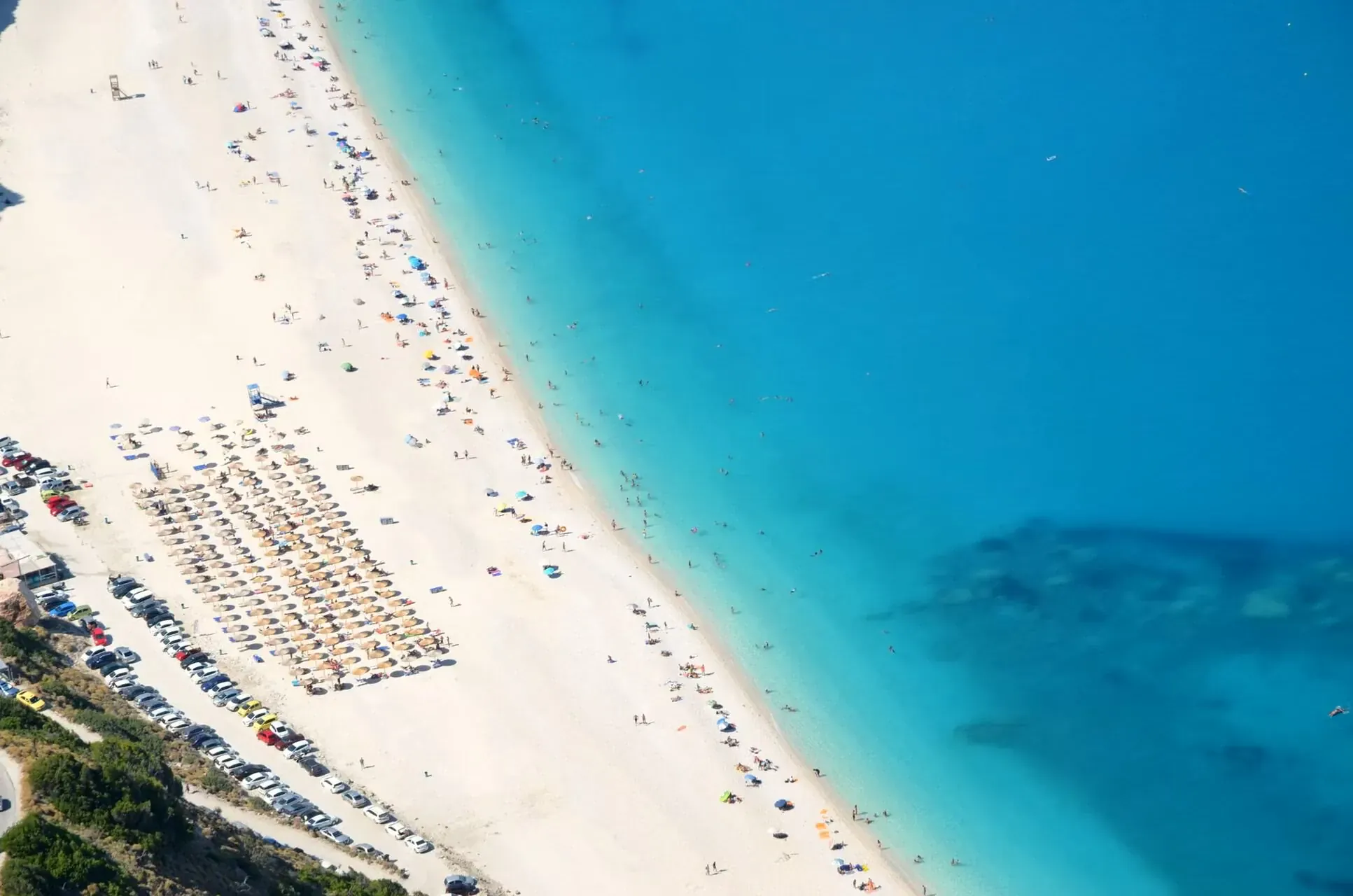
This is where Lefkada reveals itself. The west coast lines up some of the finest beaches in Greece, all at the foot of high limestone cliffs of an almost unreal white, facing a sea whose blue turns turquoise as soon as the sun climbs. It is these cliffs that gave the island its name (from lefkos, white in Greek): they culminate right in the south at Cape Lefkatas, Cape Doukato, where a lighthouse has taken the place of the ancient temple of Apollo and where legend places the Leucadian leap, the one the poet Sappho is said to have made from a broken heart.
The most famous is Porto Katsiki, its vertical cliff and its ribbon of pale sand, probably the most photographed beach in the country. You go down by a stairway from the car park, and the reward is immediate. A little further north, Kathisma is one of the longest and the easiest to reach: you arrive by car, you find a few tavernas and sun loungers, and it is one of the best places on the island to watch the sun plunge into the Ionian Sea, a glass in hand. Between the two, Egremni unrolls an immense crescent of sand. Its great stairway, destroyed by the earthquake of 2015 and then rebuilt in 2021, can now be walked down again; but the most agreeable way is still to arrive by sea, on a boat trip from Nydri or Vasiliki.
A neighbourly tip: on this exposed coast, the wind can get up in the afternoon and form pretty waves. In the morning, the water is often calmer and the light softer on the white rock. Porto Katsiki in fact features in our selection of the most beautiful beaches in Greece, if you want to compare before setting off.
Agios Nikitas, the village at the water’s edge
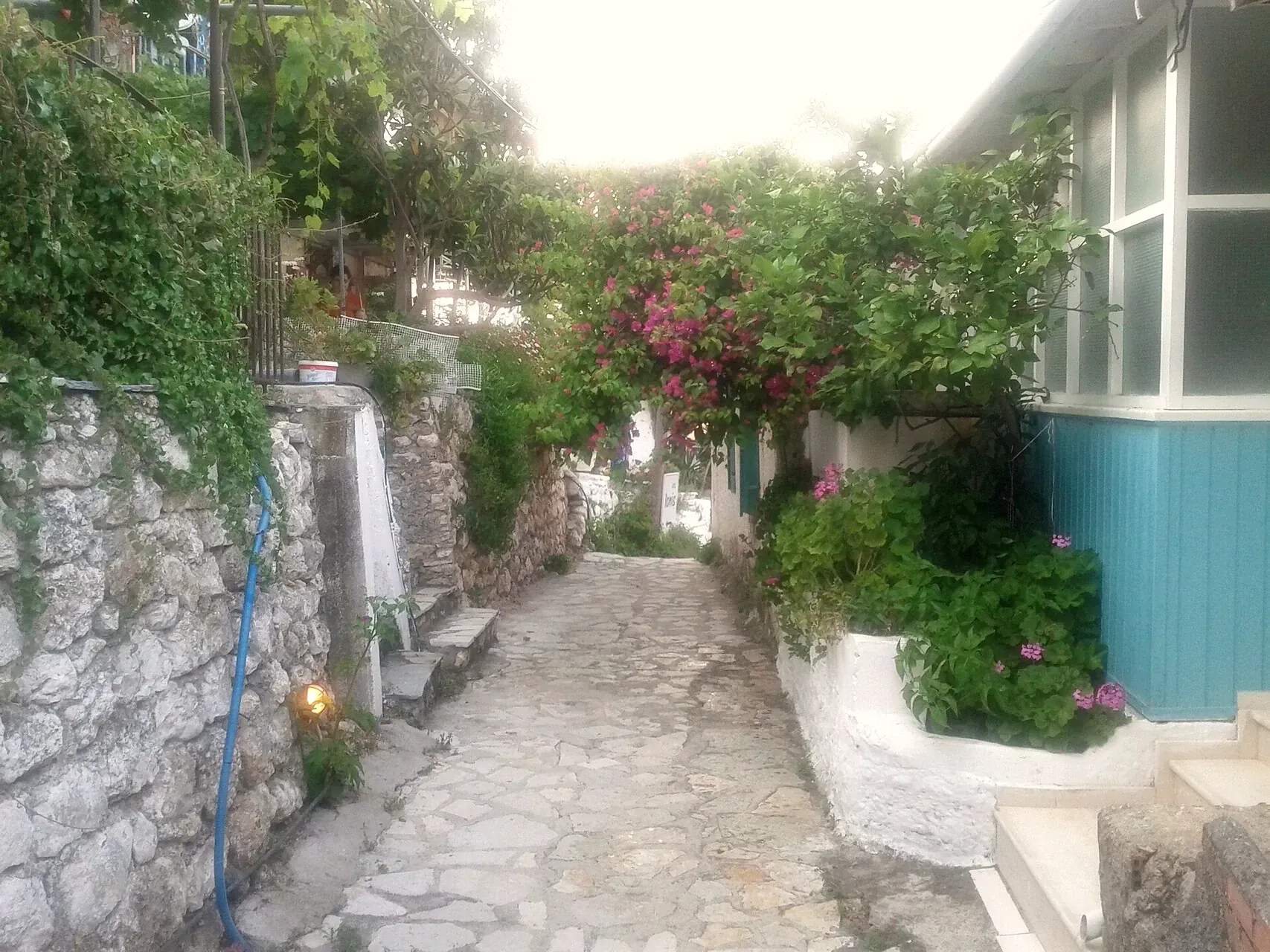
On this same west coast hides Agios Nikitas, the only village set directly at the water’s edge on this side. A former fishermen’s harbour that has become a small resort with charm, it has kept its pedestrian main lane which descends gently towards a cove. You wander there between flower-filled houses, you sit at a terrace for a grilled fish, and you take, from the shore, a small water taxi to the neighbouring beach of Mylos, itself nestled beneath the cliff. It is exactly the kind of place where you plan to stay an hour and end up spending the day.
Karya and the interior, the other face of Lefkada
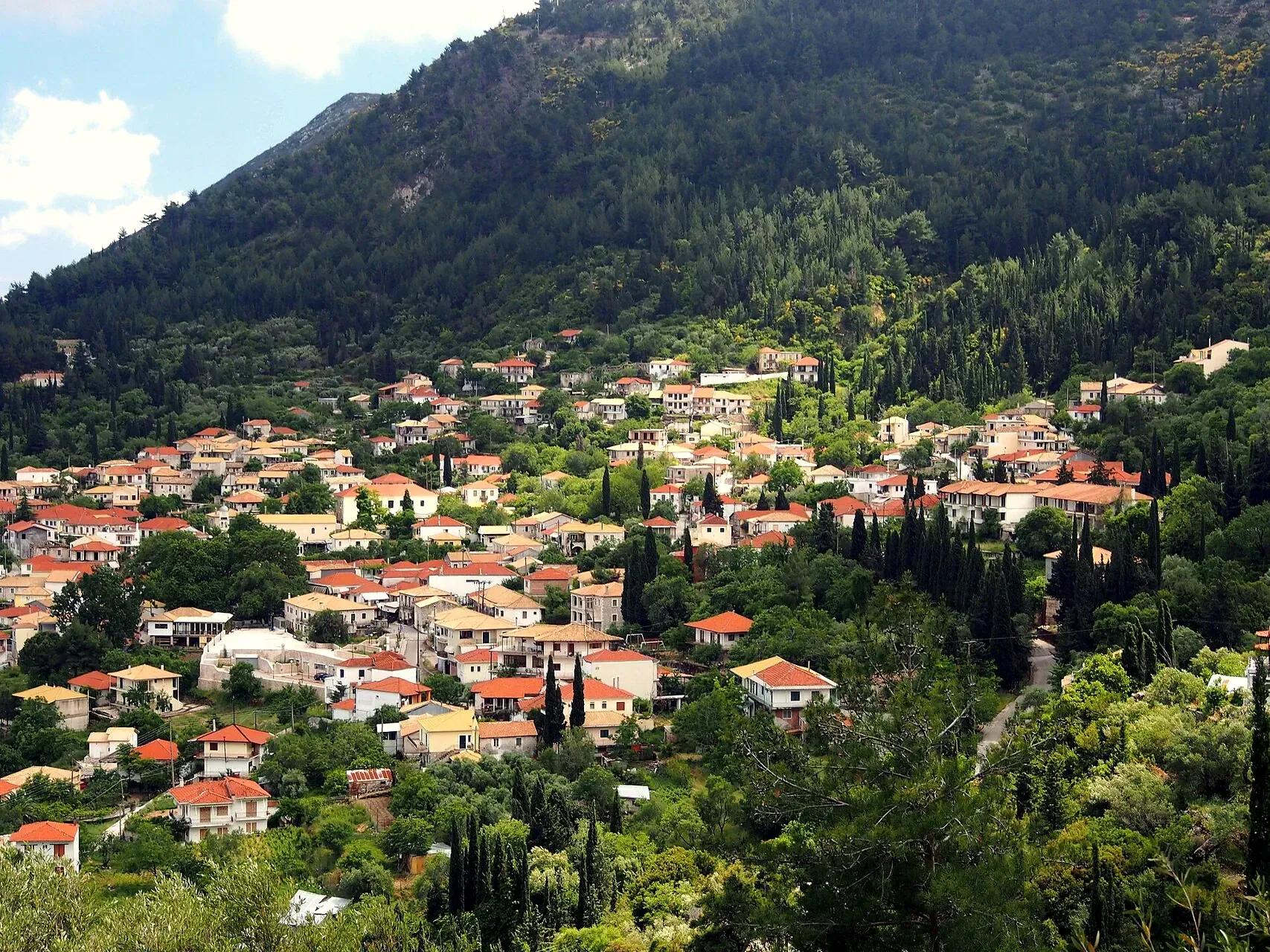
Many see nothing of Lefkada but its beaches. That would be a pity, because the mountainous interior holds fine discoveries, barely 10 min away by road. The village of Karya, perched among the hills, is organised around a square shaded by great plane trees where you gladly settle for an old-fashioned Greek coffee.
Karya is known above all for its embroidery tradition, the stitch called karsaniko, born here at the end of the 19th century and today inscribed on Greece’s intangible cultural heritage list. A small folklore museum tells its story and displays pieces of remarkable delicacy. It is the kind of halt that gives a trip depth: you leave with a story, sometimes with a hand-embroidered doily, and with the feeling of having touched the real life of the island, far from the parasols. Very close by, the village of Englouvi has always grown small lentils renowned throughout Greece; you taste them simmered in the local tavernas, simply dressed with local olive oil. To place Lefkada within its archipelago, our guide to the Ionian islands presents the other pearls.
Nydri, the waterfalls and the islets offshore
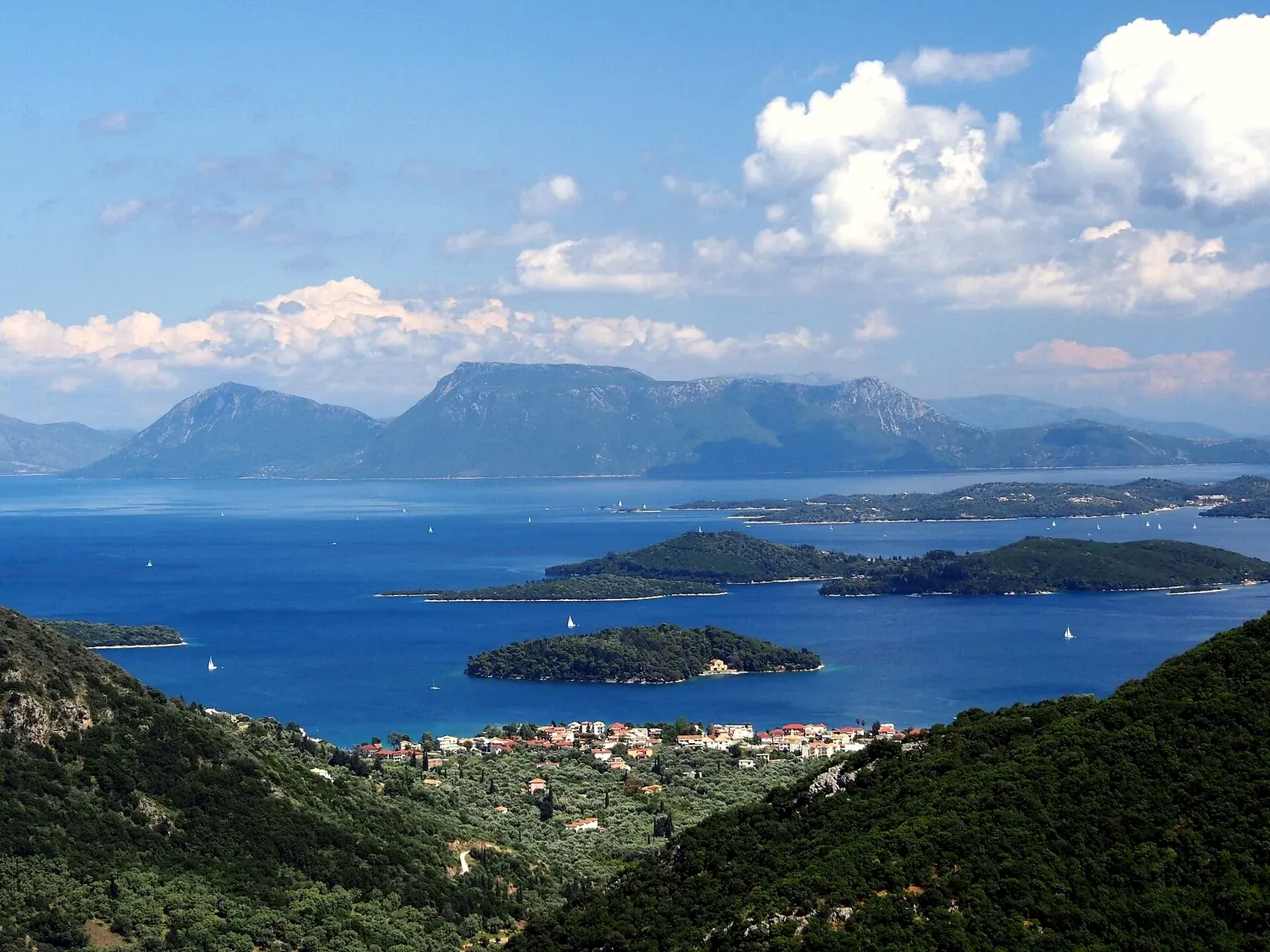
On the east coast, more sheltered, Nydri is the harbour from which the sea trips leave. It is from there that you reach one of the most singular landscapes on the island: a string of small green islets set on glassy water. The most famous is Skorpios, the private island that the shipowner Aristotle Onassis bought in the 1960s and where he married Jacqueline Kennedy in 1968. You cannot visit it, but you skirt its pine woods by boat, and that is already a fine cinematic moment. In the same setting, the small wooded island of Madouri closes the bay, while Meganisi, larger, is reached by ferry from Nydri for a half-day escape between quiet coves and white villages.
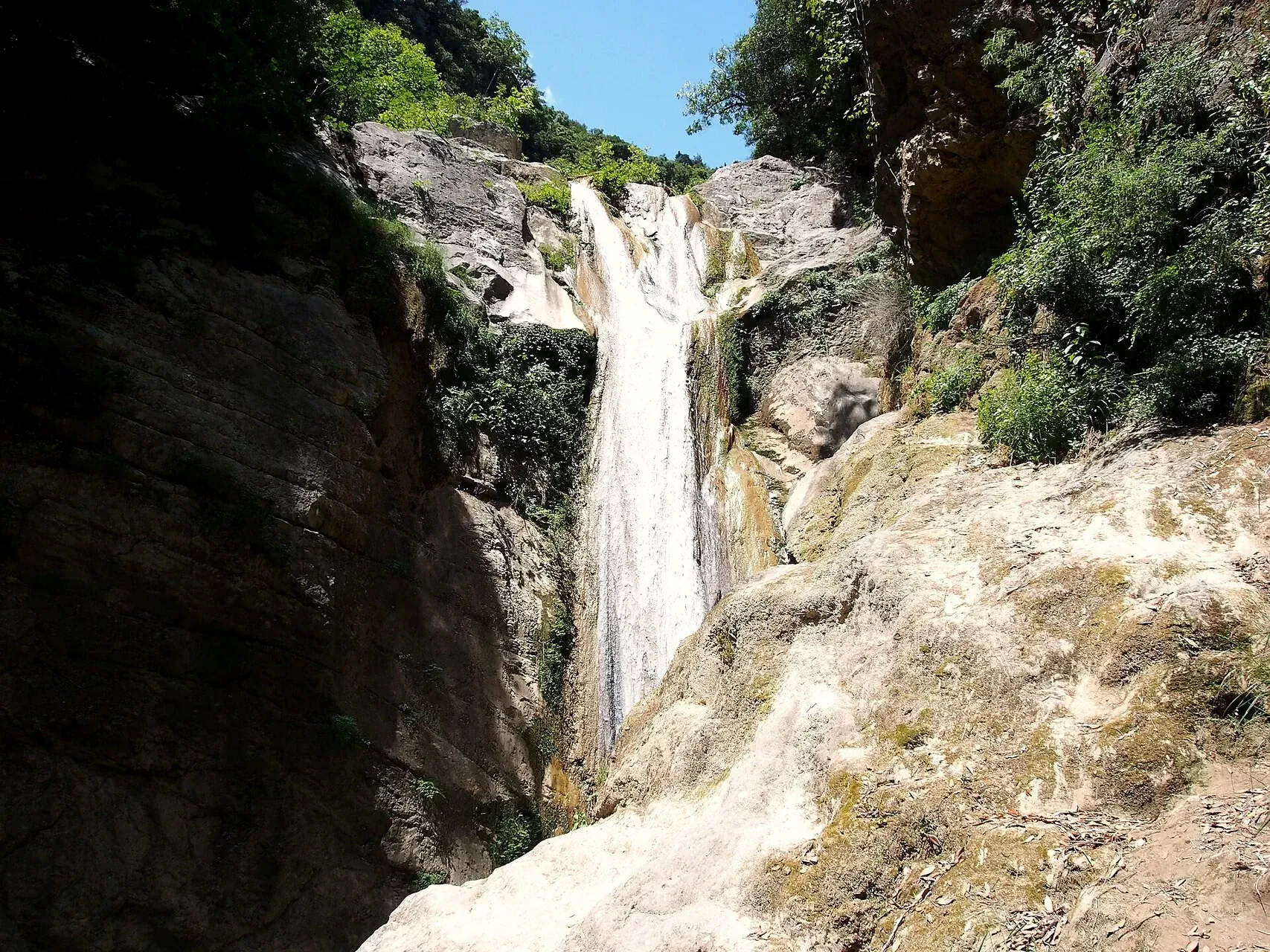
Just behind Nydri, another surprise awaits lovers of coolness: the Dimossari waterfalls. A short walk in the shade of plane trees and pines climbs a small canyon to pools of clear water where you can dip your feet. Nothing athletic, the path is walked quietly, and the contrast with the heat of the beaches is delicious. If you are still hesitating between the large islands of the Ionian Sea, our comparison of Corfu or Kefalonia will help you put together an itinerary that suits you, Lefkada being easy to add to either.
When to come, and at what pace
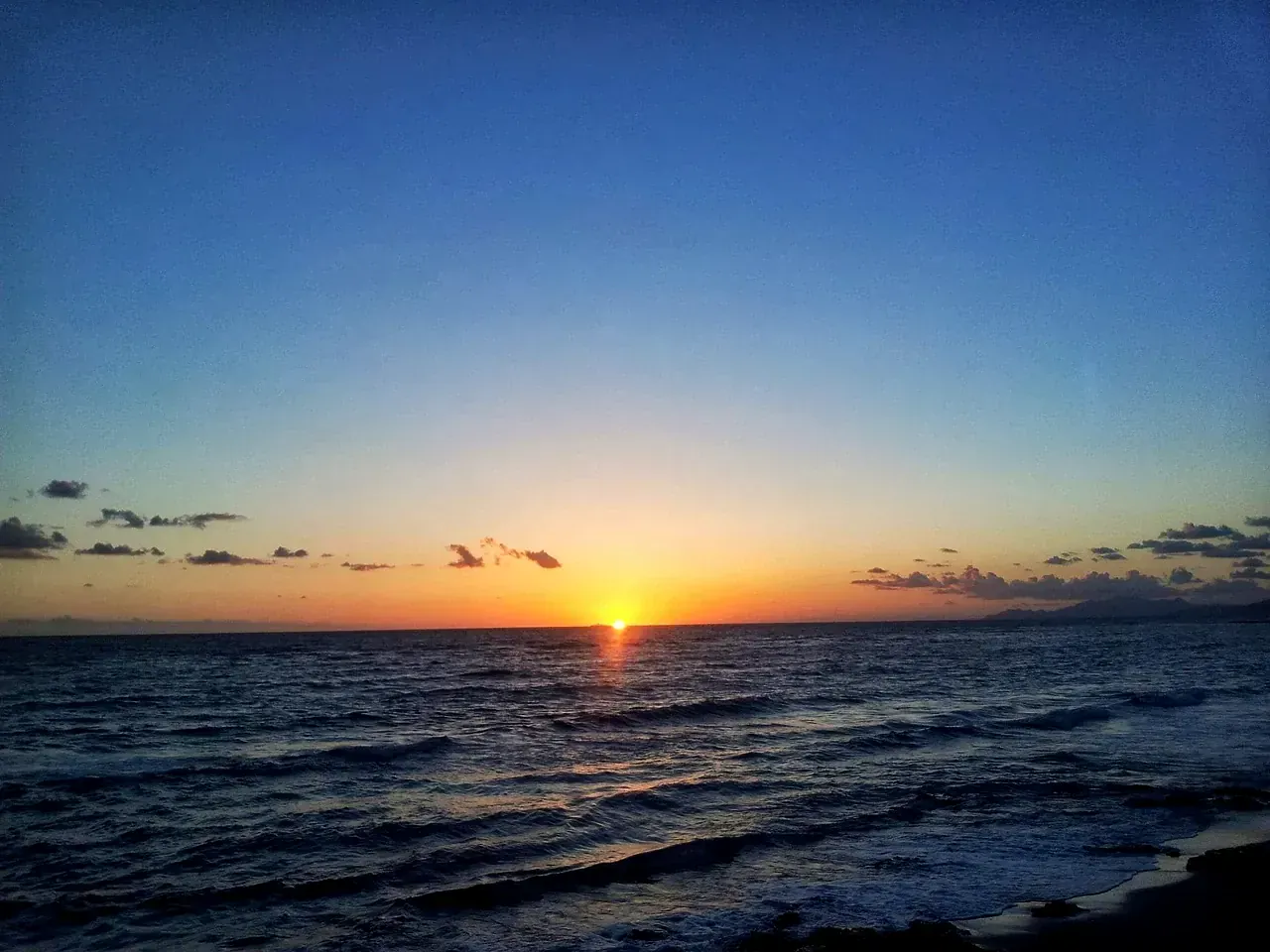
As is often the case in Greece, the finest windows are spring and early autumn. From mid-May to the end of June, the island is green, in flower, and the great beaches stay peaceful. From September to mid-October, the sea is at its mildest temperature and the light turns golden. The month of August, for its part, concentrates the crowds and the winds: to be kept for those who have no choice of dates.
To enjoy Lefkada fully, a car remains precious: it lets you pass, as the mood takes you, from a cove on the west coast to a mountain village, from a seaside taverna to a walk towards the waterfalls. It is an island savoured without a tight programme, stopping wherever the light is fine. And since you arrive without a ferry, nothing is pressing: you have all the time in the world.
Frequently asked questions about Lefkada
How do you get to Lefkada?
Lefkada is the only Ionian island you reach without a ferry: a causeway and a small moving bridge link it to the mainland, at the level of the town of Lefkada, and you cross the whole thing by car. The bridge swings aside regularly to let sailing boats through, for a few minutes' wait. Preveza (Aktion) airport is some twenty minutes away opposite, and it is about 5 h by road from Athens.
What are the finest beaches on Lefkada?
The most spectacular line up on the west coast, at the foot of the white cliffs: Porto Katsiki and its vertical cliff, the long crescent of Egremni, and Kathisma, the easiest to reach and ideal at sunset. For a more intimate cove, Agios Nikitas and its neighbour Mylos are a few minutes apart by water taxi. In the morning, the sea there is calmer and the light softer on the white rock.
Is Egremni beach accessible on foot again?
Yes. The access stairway, destroyed by the earthquake of November 2015, was rebuilt in 2021 in the form of a long metal stairway of about four hundred steps, passable again from the car park. Its condition can nonetheless vary after winter storms: the safest, and the most agreeable, is still to arrive by sea on a boat trip from Nydri or Vasiliki.
How many days do you need to discover Lefkada?
Reckon on 3 to 4 days to taste the two faces of the island: the great beaches of the west coast, the mountain villages such as Karya and its embroidery, the Dimossari waterfalls, and a boat trip from Nydri towards Skorpios and Meganisi. As you arrive by car, Lefkada also combines very well with Kefalonia or a stay on the mainland, with no crossing logistics.
Your question is not on this list?
Write to us, and we will reply to you personally by email.
Continue reading
- Corfu or Kefalonia: our advice for choosing well
- Which Greek island is right for you? The complete guide
- The Most Beautiful Beaches in Greece, our favourite coves far from the crowds
- Hiking in Greece: the best trails island by island
Article written by
Maria Papadopoulou (Μαρία Παπαδοπούλου)
Editorial lead
I hike, and Greece is the place I keep coming back to. My initial studies (a Master’s in Marketing and a degree in Applied Foreign Languages) taught me how to build an editorial project, and the trails taught me the… Read more