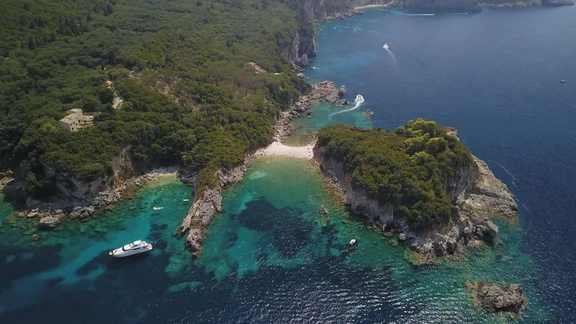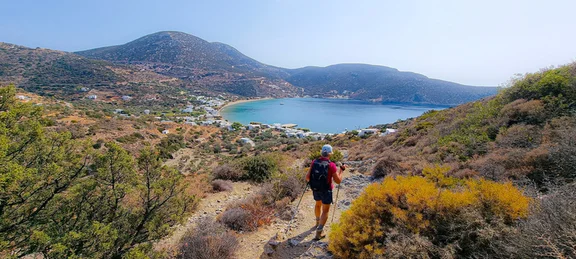


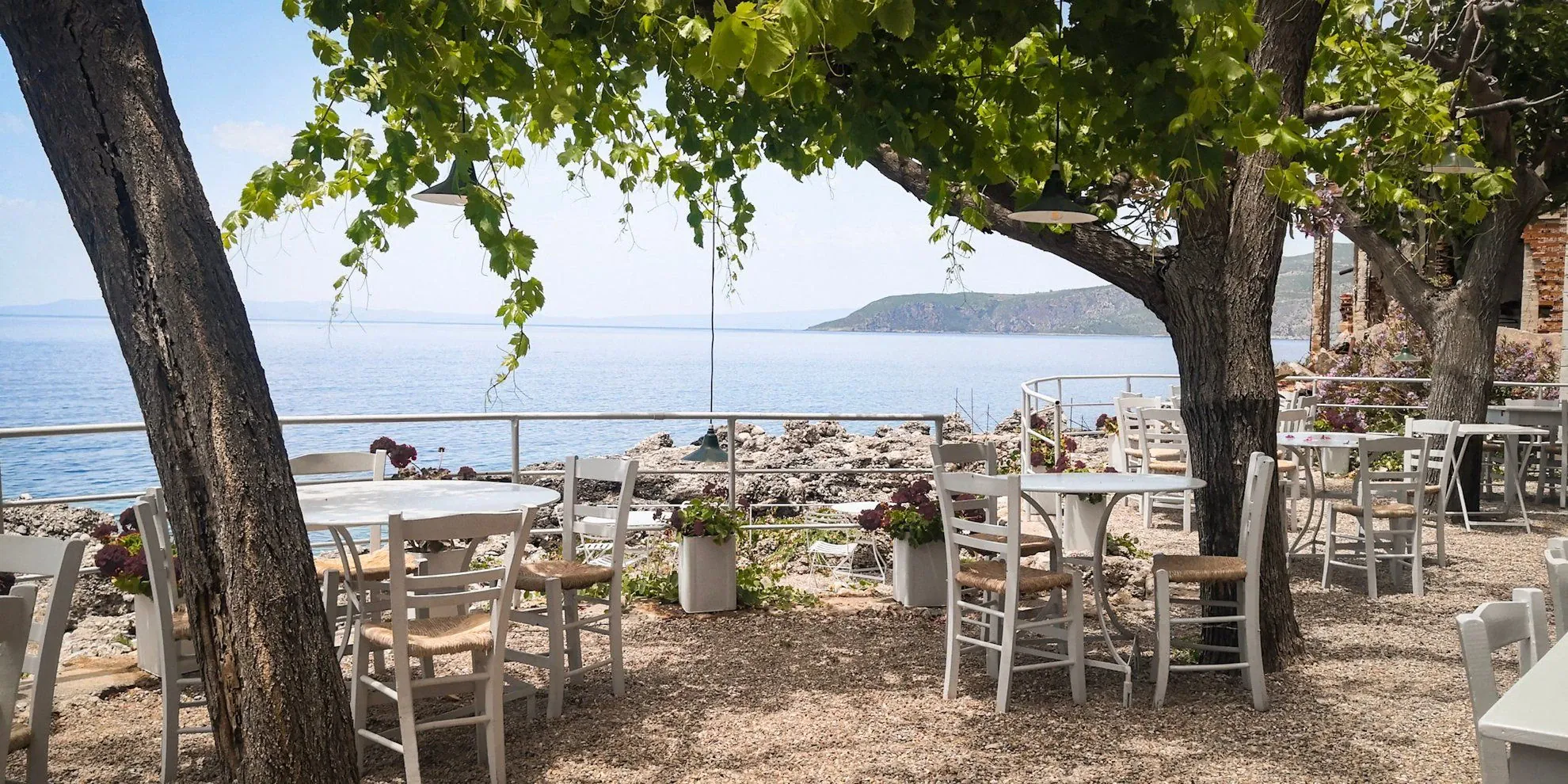
There is a Greece the ferries never touch. A Greece of solid ground, where the morning smells of thyme warmed by the sun and of Greek coffee simmering on the village square. You raise your eyes and a monastery sits on a spike of rock, as though the clouds had forgotten it there. Further south, a stone theatre twenty-four centuries old carries a guide's murmur up to the topmost tier. In the evening you are served Kalamata olives and a glass of Nemea wine on a terrace facing the sea. To plan a tour of mainland Greece is to choose that Greece: the one of heritage, of light and of long tables, travelled quietly, at your own pace.
| In brief | Mainland Greece on foot and gently: the monasteries of Meteora, the ancient sites of the Peloponnese, Delphi, the stone villages of the Mani and the Zagori. |
|---|---|
| Ideal for | Curious travellers of 60 and over, lovers of history, panoramas and good food, as a couple or with friends. |
| Best season | Late April to June, then September to mid-October: mildness, light and archaeological sites without the summer heat. |
| Pace | Gentle. Walks at your own speed, days that leave room for contemplation and for flavours. |
| Our trips | The Peloponnese as a guided trip or self-guided. Meteora, Delphi and the Zagori: free inspiration. |
When people picture Greece, they often think of the Cyclades, of Santorini and of white houses above the sea. Yet the country's historic heart beats on the mainland. That is where the great sanctuaries of antiquity are found, the theatres, the Byzantine fortresses and the villages where life still follows the rhythm of the seasons. Here is how to put together an itinerary that makes sense, without rushing, keeping time to linger.
Meteora: monasteries suspended between sky and rock
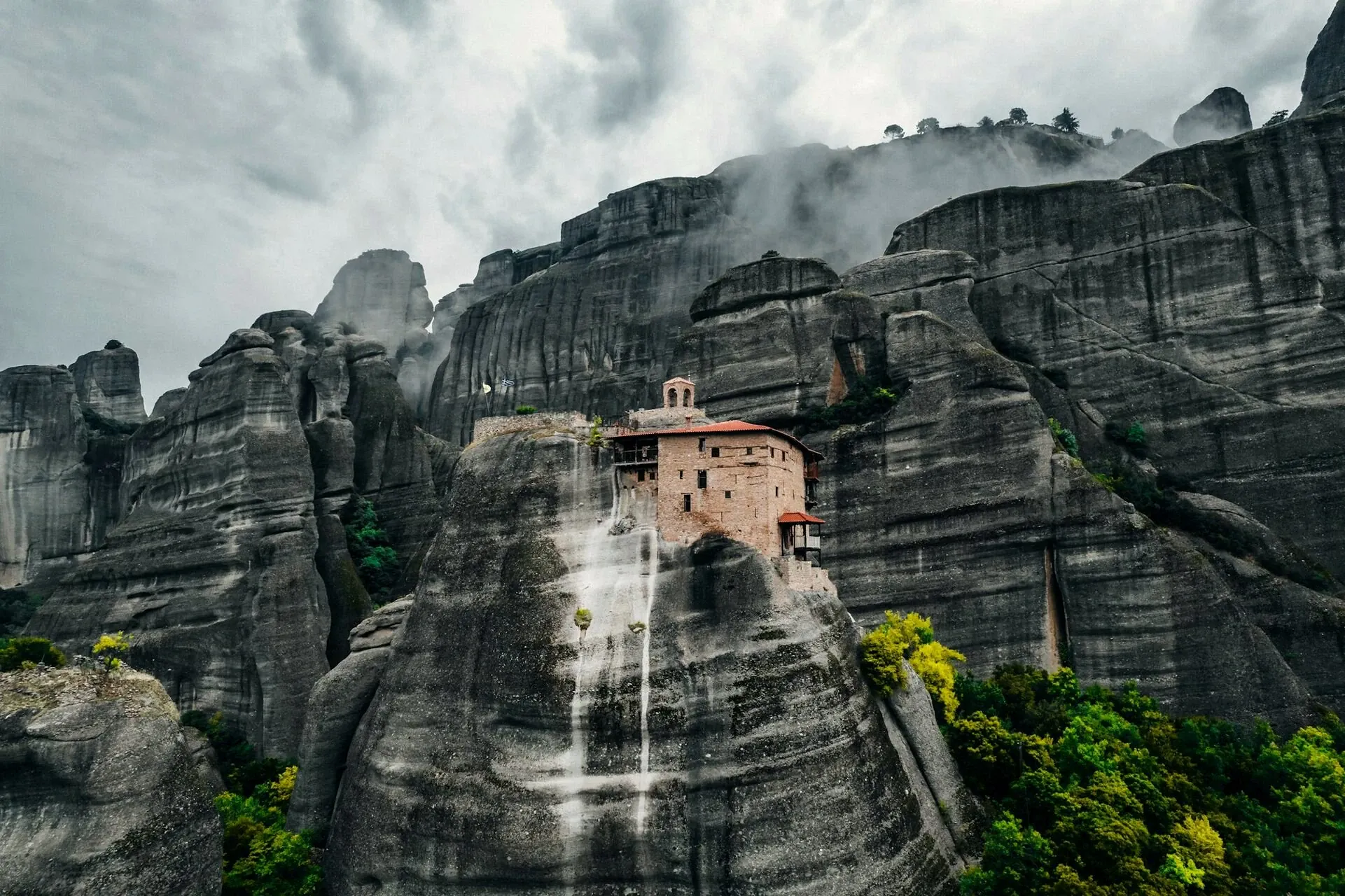
In central Greece, in Thessaly, sandstone pinnacles rise vertically above the plain. At their summits, clinging to the stone as if by miracle, stand the monasteries of Meteora. The first, the Great Meteoron, was founded in the middle of the 14th century. Of the twenty-four monasteries that once crowned these rock needles, six remain active today and open to visitors: the Great Meteoron, Varlaam, Roussanou, Aghia Triada, Agios Nikolaos and Agios Stefanos. The site has been a UNESCO World Heritage Site since 1988.
You stay at the foot of the cliffs, in the small town of Kalambaka. A 17 km panoramic road winds between the pinnacles and links the main monasteries. At every bend the landscape renews itself. The end of the day is the best moment: the rock turns ochre, then pink, and silence settles. Bring good shoes and clothing that covers shoulders and knees to enter the monasteries, where monastic life carries on as it has for six centuries.
Delphi: the navel of the world
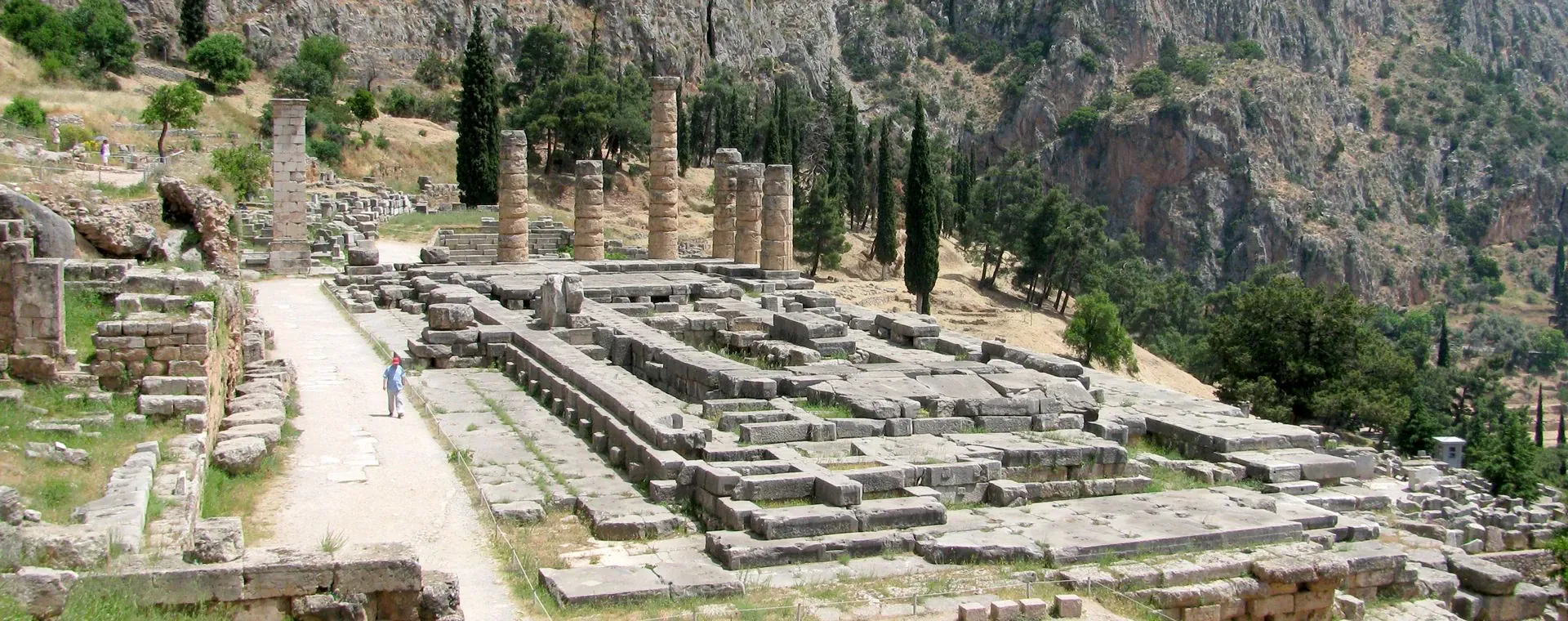
Coming back down towards the Gulf of Corinth, you reach Delphi, clinging to the slopes of Mount Parnassus. For the ancient Greeks this was the centre of the world, marked by a sacred stone, the omphalos, the navel of the earth. People came from all over the Mediterranean to consult the oracle of Apollo, the Pythia, before deciding on a war, an alliance or the founding of a city. The sanctuary has been a UNESCO World Heritage Site since 1987.
The Sacred Way climbs gently between the ruins of the Athenian treasury and the temple of Apollo, as far as the theatre and the stadium that overlook the valley. Below stretches a sea of silvery olive trees running down to the water. The nearby museum holds the Charioteer of Delphi, a bronze statue whose gaze is so alive you would think it about to speak. Many visitors come to Delphi on a day trip from Athens, but sleeping there one night changes everything: you can visit the site early in the morning, in the cool and the calm, before the coaches arrive.
The Peloponnese: ancient Greece between sea and mountain
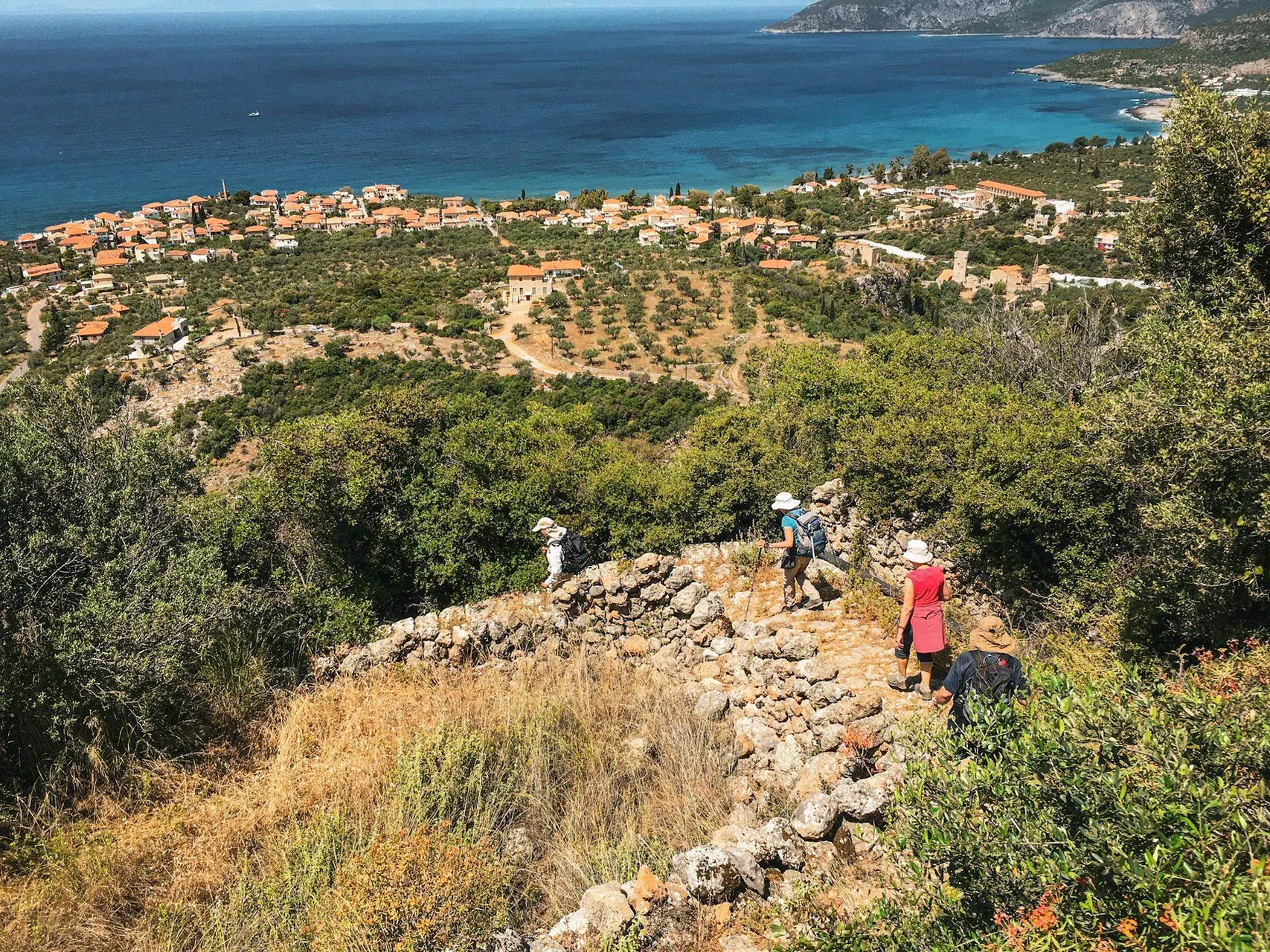
South of Corinth begins the Peloponnese, that great peninsula joined to the mainland by a narrow isthmus. It is probably the richest region for anyone who likes history and nature intertwined. Ancient sites are numerous, the stone villages welcoming, the turquoise coves never far, and fine paths link the whole for those who like to walk. Kelifos offers two ways to discover it, both designed to take time: the Treasures of the Peloponnese guided trip, accompanied by an English-speaking leader, or the Ancient beauties of the Peloponnese self-guided, a road trip at your own speed with charming hotels booked in advance.
Epidaurus and its prodigious theatre
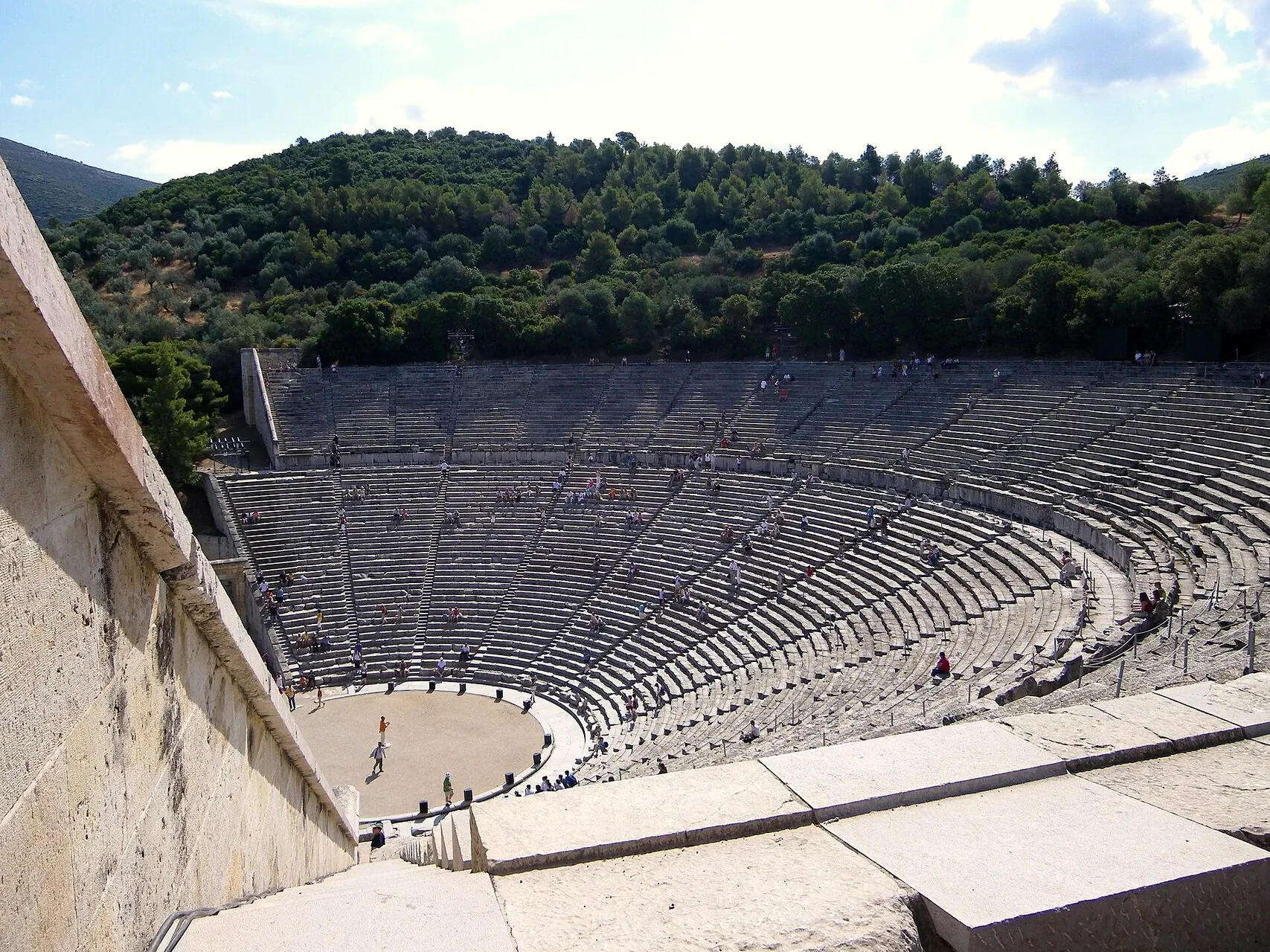
Built in the 4th century BC in the sanctuary dedicated to Asclepius, god of medicine, the theatre of Epidaurus is one of the best preserved in the Greek world. Its acoustics border on the miraculous: from the topmost tier, 60 m from the stage, you distinctly hear a sheet of paper being crumpled at the centre of the orchestra. Travellers gladly try the echo game for themselves. The tiers can seat fourteen thousand spectators, and each summer ancient plays are still performed there.
Mycenae, Nafplio and the Mani peninsula
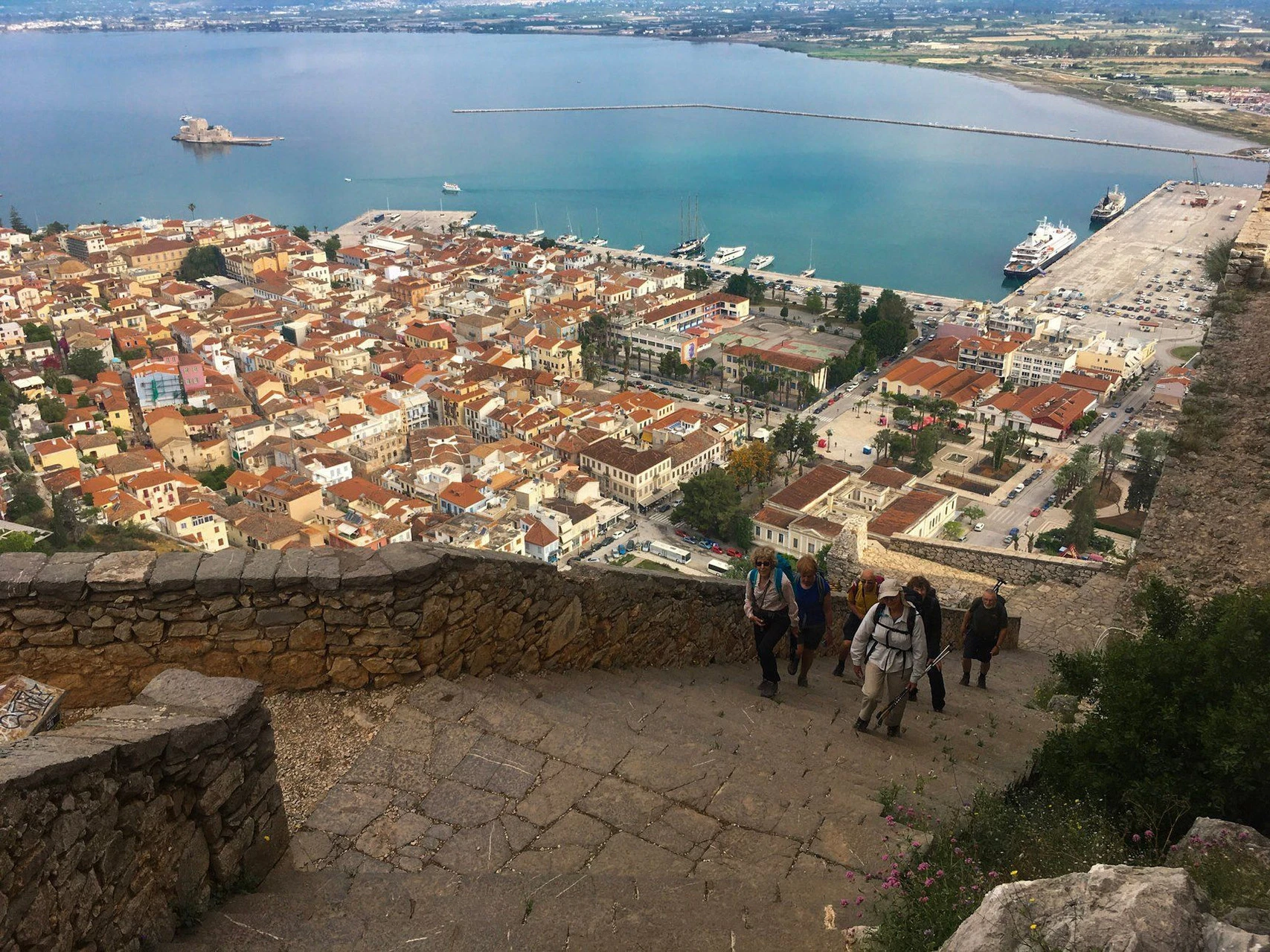
Very close by, Mycenae keeps the memory of the Bronze Age civilisation, that of Agamemnon. You pass through the famous Lion Gate, whose two stone beasts have kept watch for more than three thousand years. A few kilometres away, Nafplio is often called the prettiest town in Greece: neoclassical lanes, flower-filled balconies, old-fashioned ice-cream parlours, and the Venetian fortress of Palamidi dominating the bay. It is a perfect halt for a quiet evening at the water's edge.
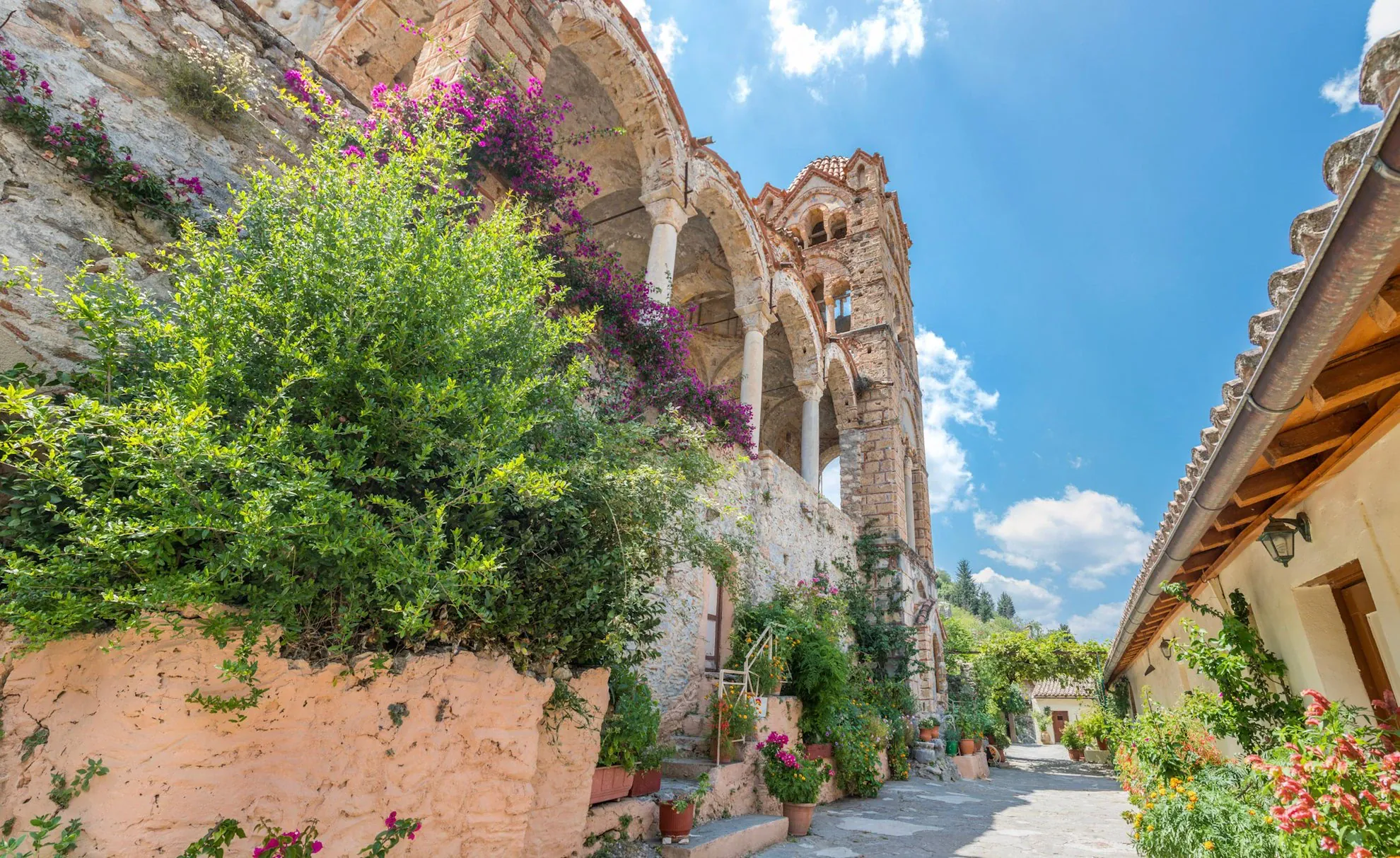
Further south still, the Mani peninsula offers a wilder and more secret face. Between the Gulf of Messenia and the Gulf of Laconia, the Taygetus massif plunges into the sea. The villages there raise strange square stone towers, sometimes 20 m high, inherited from a past of piracy and clan feuds. It was at Areopoli that Greece declared its independence, on 17 March 1821. The road runs on to Cape Tainaron, the southernmost point of mainland Greece, which the Ancients held to be one of the gates of the Underworld. Here you walk in a mineral landscape of austere beauty, punctuated by Byzantine chapels and by coves where the water has a rare transparency.
Olympia, cradle of the Games
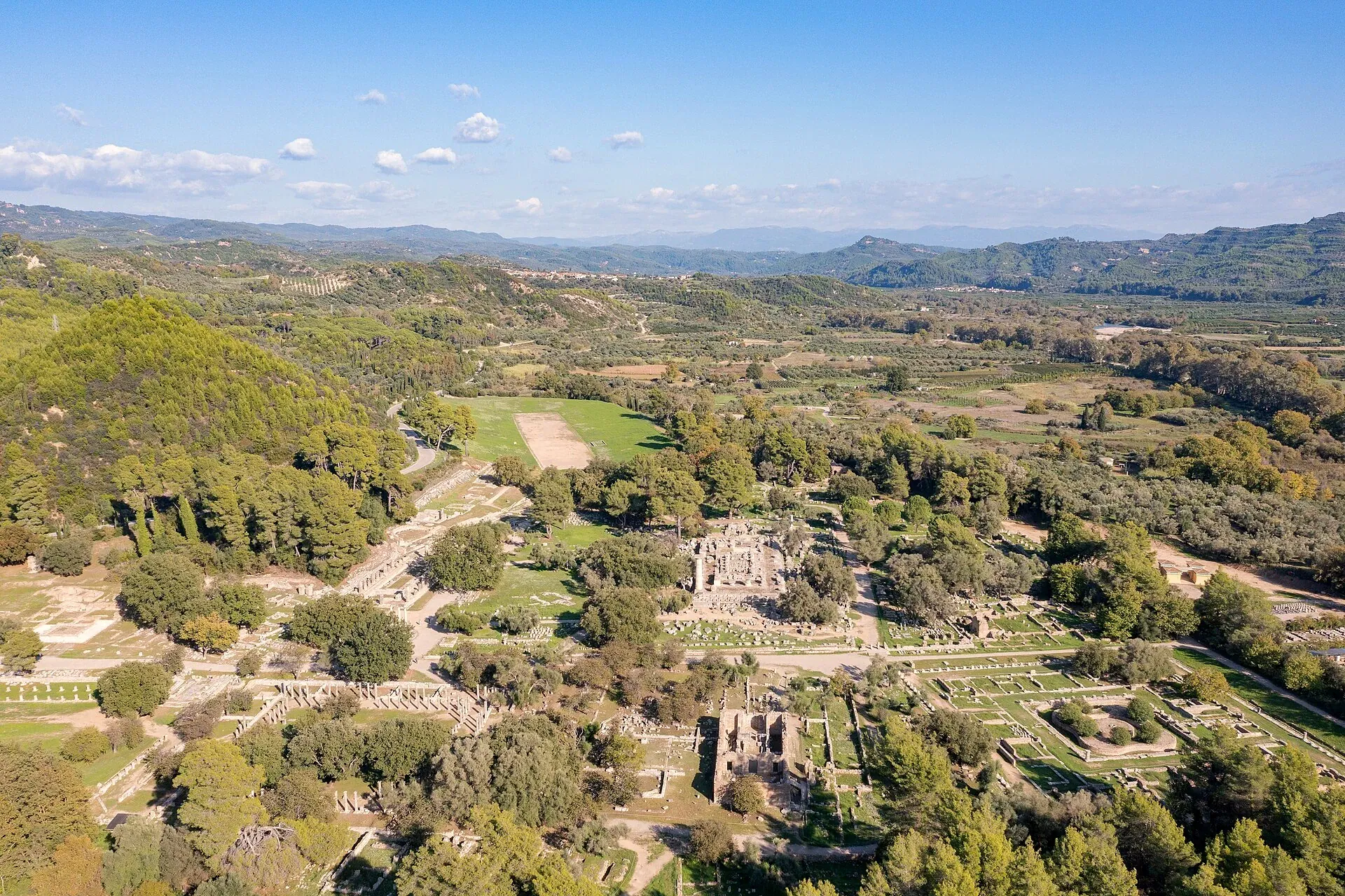
In the west of the Peloponnese, in a green valley where the Alpheios flows, Olympia saw the birth of the ancient Olympic Games in 776 BC. You wander between the toppled columns of the temple of Zeus, the gymnasia and the palaestra, before entering the stadium through the vaulted passage the athletes used. The gesture is unchanging: many visitors cannot resist the urge to run, or at least to walk, on the ancient track. The museum close by holds the Hermes of Praxiteles, one of the masterpieces of Greek sculpture.
The Zagori and the Vikos gorge: green and secret Greece
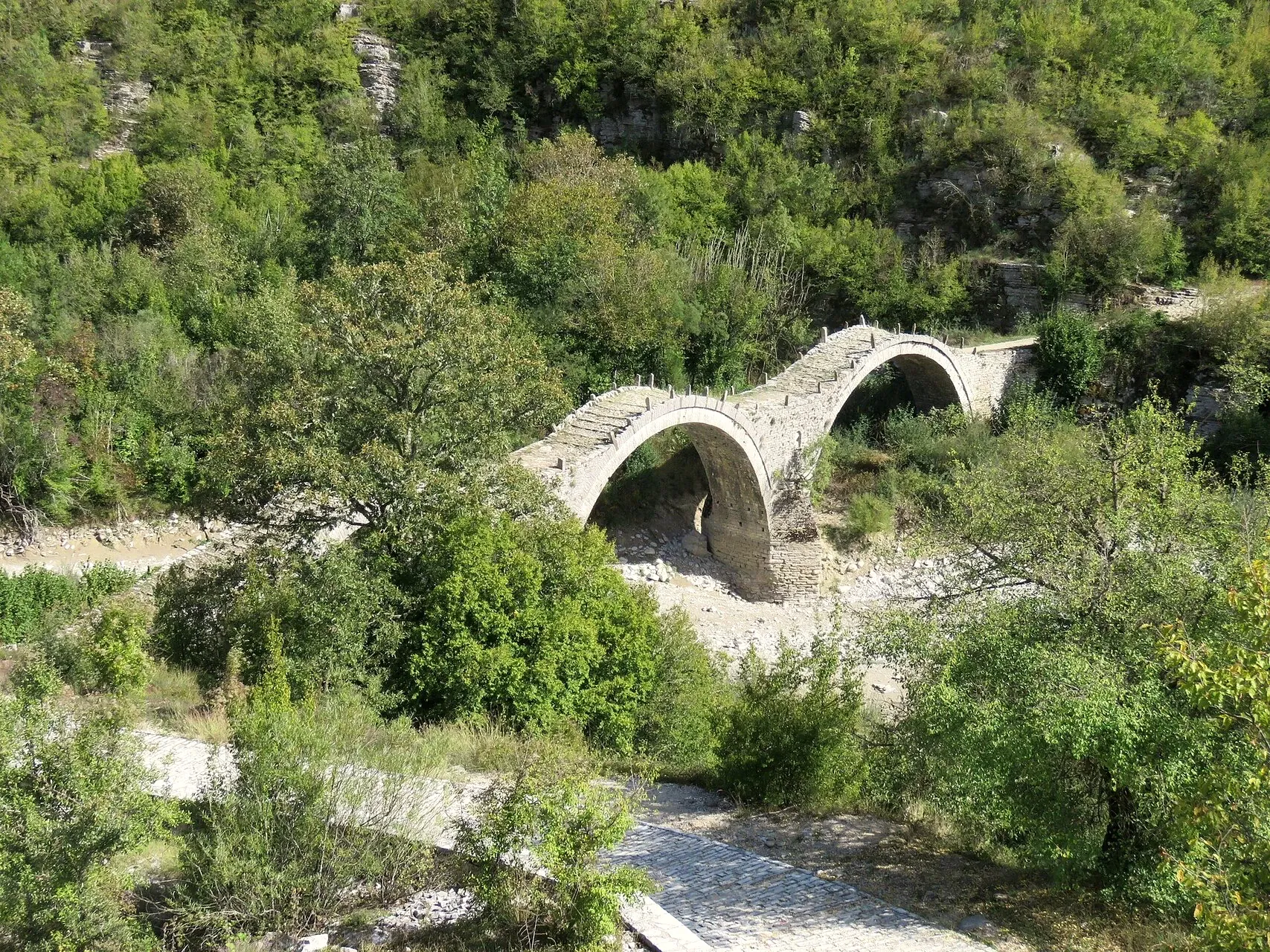
If your journey takes you towards the north-west, into Epirus, you will discover a Greece few people know. The Zagori gathers some forty stone villages linked by ancient paths and by humpbacked Ottoman bridges, of which the region counts close to a hundred, most built in the 18th and 19th centuries. This cultural landscape has been a UNESCO World Heritage Site since 2023.
It is there that the Vikos gorge opens, listed by the Guinness Book of Records as the deepest gorge in the world relative to its width. Its walls rise in places nine hundred metres above the river Voidomatis, whose water is so clear it appears green. From the villages of Monodendri, Aristi or Papingo, paths let you admire its viewpoints without committing to a long descent. People come for the coolness of the forests and the calm of the unspoilt villages.
When to go and how to organise your tour
Mainland Greece is best savoured in spring and in autumn. From late April to June the countryside is green and in flower, and the archaeological sites stay pleasant to walk before the great heat. From September to mid-October, the golden light of the late season and a sea still warm work wonders. Summer is possible but hot, especially on exposed sites such as Mycenae or Olympia: you then visit early in the morning or at the end of the day.
As for the itinerary, a comfortable 10-day tour lets you combine Athens, Delphi, Meteora and the Peloponnese without hurrying, allowing 2 nights at the stages that deserve them. With 15 days you add the loop of the Mani and, for the most curious, the excursion to the Zagori. If you have only a week, it is better to concentrate on the Peloponnese, which on its own offers enough to fill a whole trip. Greek roads are in good condition and driving there is peaceful, which makes the self-guided formula very agreeable. For those who would rather think about nothing, the guided formula takes care of everything, from transfers to the explanations of an English-speaking leader.
To go further on the choice of season, our guide When to visit Greece sets out month by month what awaits you. And if the urge for islands returns, the article Which Greek island to choose will help you put together a tailor-made trip between mainland and archipelagos.
Frequently asked questions about touring mainland Greece
Which itinerary should you follow to discover mainland Greece?
The great classic links Athens, Delphi and Meteora, before going down towards the Peloponnese, which on its own concentrates ancient theatres, fortresses and stone villages. People often keep the best for last by lingering around Nafplio, Epidaurus and Mycenae. If the north-west tempts you, the Zagori and the Vikos gorge extend the loop nicely.
How many days do you need for a tour of mainland Greece?
Reckon on a week for the Peloponnese alone, which already offers enough to fill a whole trip. Reckon on 10 days to combine Athens, Delphi, Meteora and the Peloponnese without hurrying, allowing 2 nights at the stages that deserve them: that is the length of both our trips in the Peloponnese, guided as well as self-guided. With 15 days you add the Mani peninsula and the excursion to the Zagori.
Do you need a car to visit mainland Greece?
It all depends on the formula chosen. Self-guided, you travel at your own pace, on a self-drive tour, with a hire car and accommodation booked in advance, and no internal flights to arrange. On a guided trip you never touch the wheel: transfers and luggage transport are taken care of, and an English-speaking leader sees to every detail. In both cases, Greek roads are in good condition and driving there stays peaceful.
Can you discover the Peloponnese on foot, and where do you find a walking map?
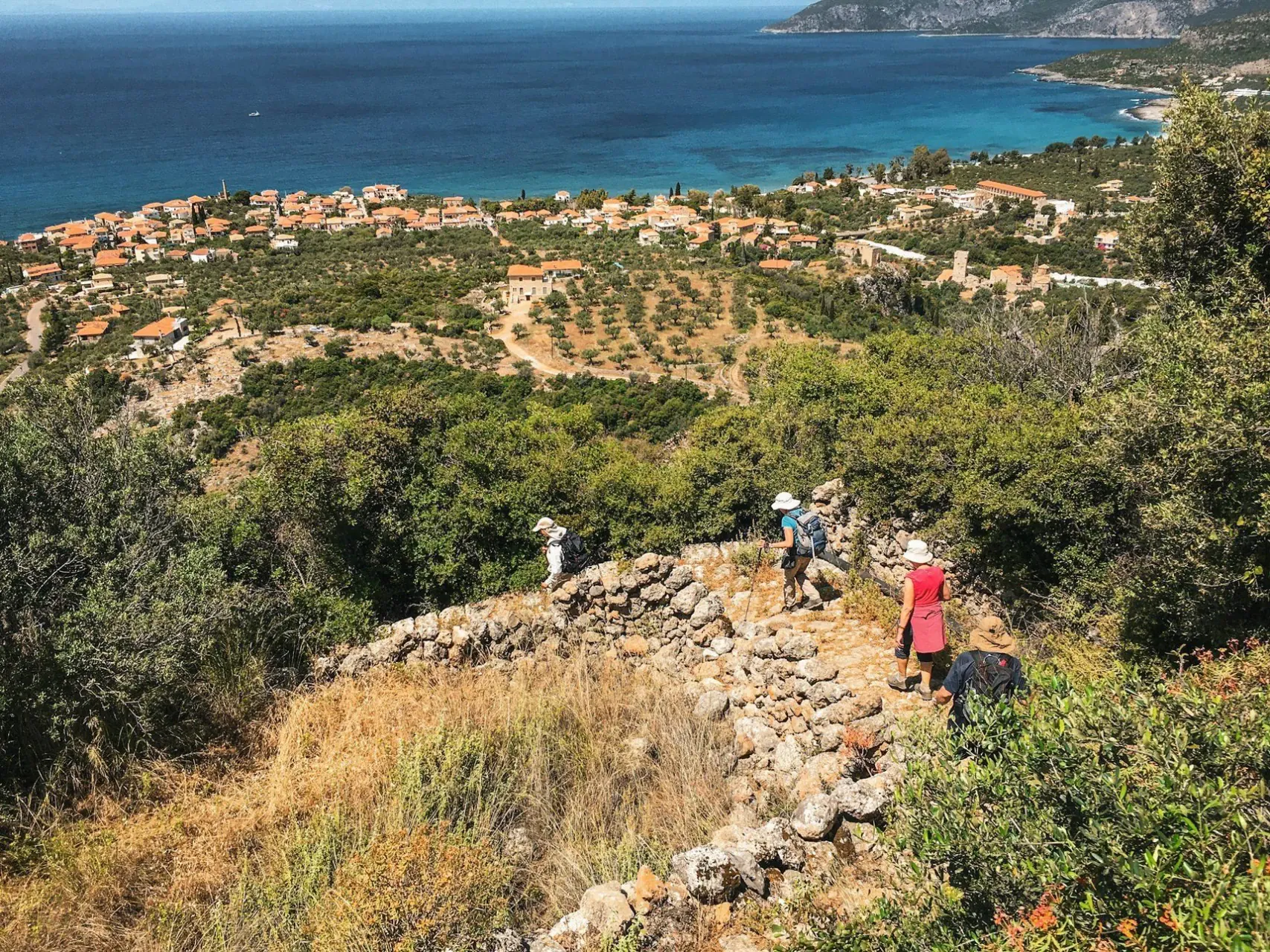
Yes, and it is one of its finest pleasures: the Menalon Trail in Arcadia, the Lousios gorges and the coastal paths of the Gulf of Messenia are walked quietly, at your own speed, between two ancient sites. To prepare your walks, the topographic maps from the Anavasi editions cover the region well. On a self-guided trip, however, you have nothing to prepare yourself: detailed route notes and a guidance app show you every path step by step.
Your question is not on this list?
Write to us, and we will reply to you personally by email.
Continue reading
- The Peloponnese on foot: 7 treasures of the Greece of legends
- Which Greek island is right for you? The complete guide
- Hiking in Greece: the best trails island by island
- When to Visit Greece: Our Month-by-Month Guide
Article written by
Maria Papadopoulou (Μαρία Παπαδοπούλου)
Editorial lead
I hike, and Greece is the place I keep coming back to. My initial studies (a Master’s in Marketing and a degree in Applied Foreign Languages) taught me how to build an editorial project, and the trails taught me the… Read more