

The ferry deck hums gently, coffee steams in a paper cup, and ahead of you the island you set out for this morning slowly swells on the blue horizon. Taking the ferry to the Greek islands is part of the pleasure of the journey, not one of its chores. Many travellers dread this stage before they leave: which company, which port, do you need to book, and what if the sea gets up. The good news is that the Greek network is one of the densest and best run in the Mediterranean. Once you understand its logic, getting aboard becomes simple, and even restful.
| In brief | The Greek ferry network is dense, reliable and easy to get the hang of once you understand how the ports work. |
| The two main Athens ports | Piraeus (the most destinations) and Rafina (closer to the airport, smaller). |
| Main companies | Blue Star Ferries, Hellenic Seaways, SeaJets, Fast Ferries, Golden Star Ferries. |
| Two families of boat | Conventional ferries (slow, stable, outside decks) and high-speed craft (twice as fast, indoor seating). |
| Booking | In advance in July and August and around weekends, more flexible in spring and autumn. |
| With Kelifos | On our holidays, we take care of the transfers and the logistics for you. |
How the network works: the ports of Athens
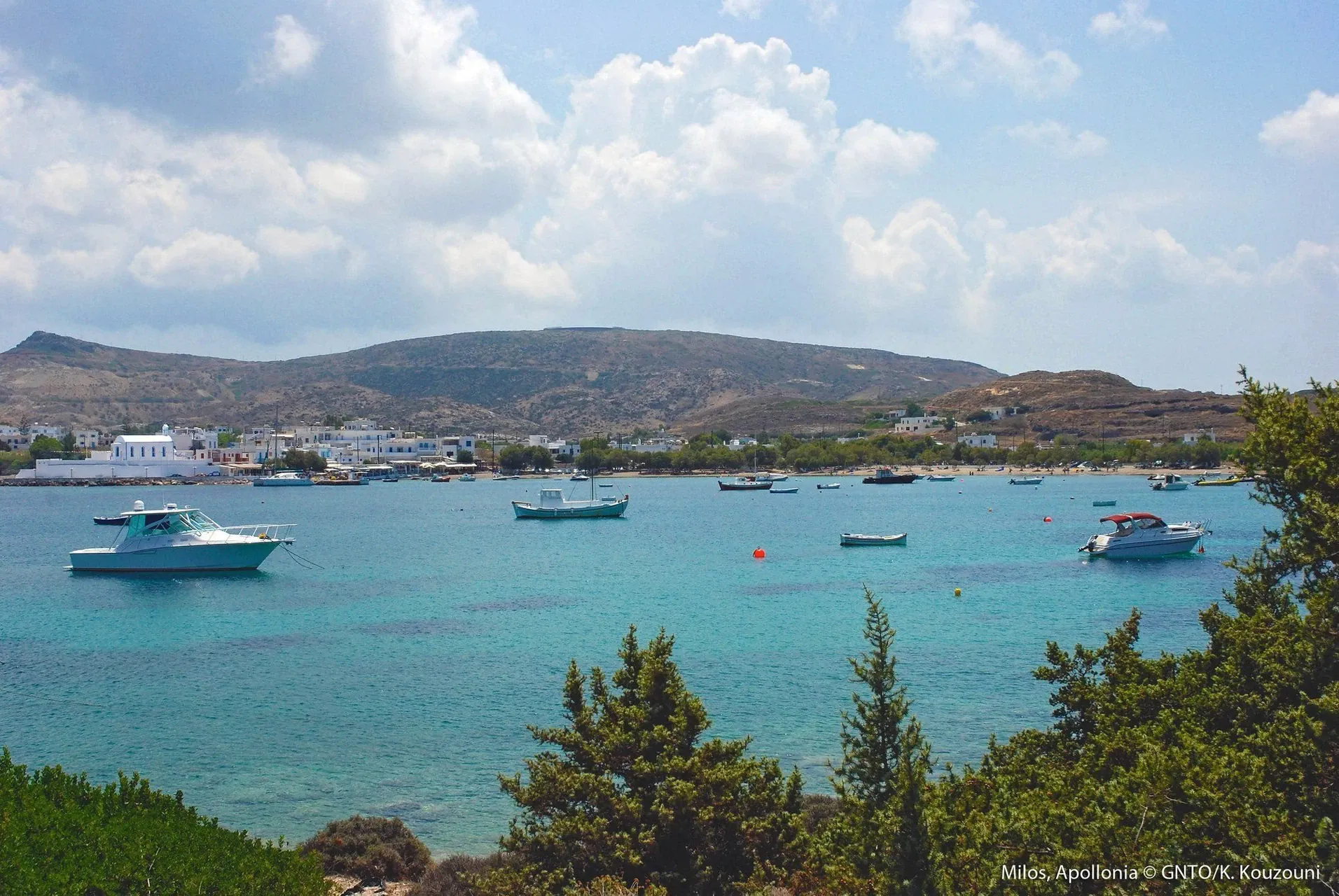
Almost every crossing to the islands leaves from the Athens region, and most of it happens around two ports.
Piraeus is the great historic port, about thirty minutes from the centre of Athens. It is the largest and the one serving the most islands: Cyclades, Crete, Dodecanese, Saronic Gulf. It is busy, sometimes daunting the first time, but well signposted. The quays are numbered (the famous “gates”), and your ticket tells you which one your boat berths at.
Rafina, on the east coast, is considerably smaller and easier to take in. Its great advantage: it lies about twenty minutes from Athens airport, which saves crossing the whole city after a flight. It serves Andros, Tinos and Mykonos, and in high season a good part of the Cyclades such as Paros, Naxos and Santorini. A third port, Lavrio, further south, sometimes completes the picture for a few islands.
For the Ionian Islands (Kefalonia, Ithaca, Corfu, Paxos), the logic is different: you do not go from Athens but from the west coast. The ports of Patras, Kyllini, Astakos and Igoumenitsa handle these links, often on crossings of 1 to 3 hours. Lefkada is joined to the mainland by a bridge: you reach it by car, without a boat.
The companies: who does what
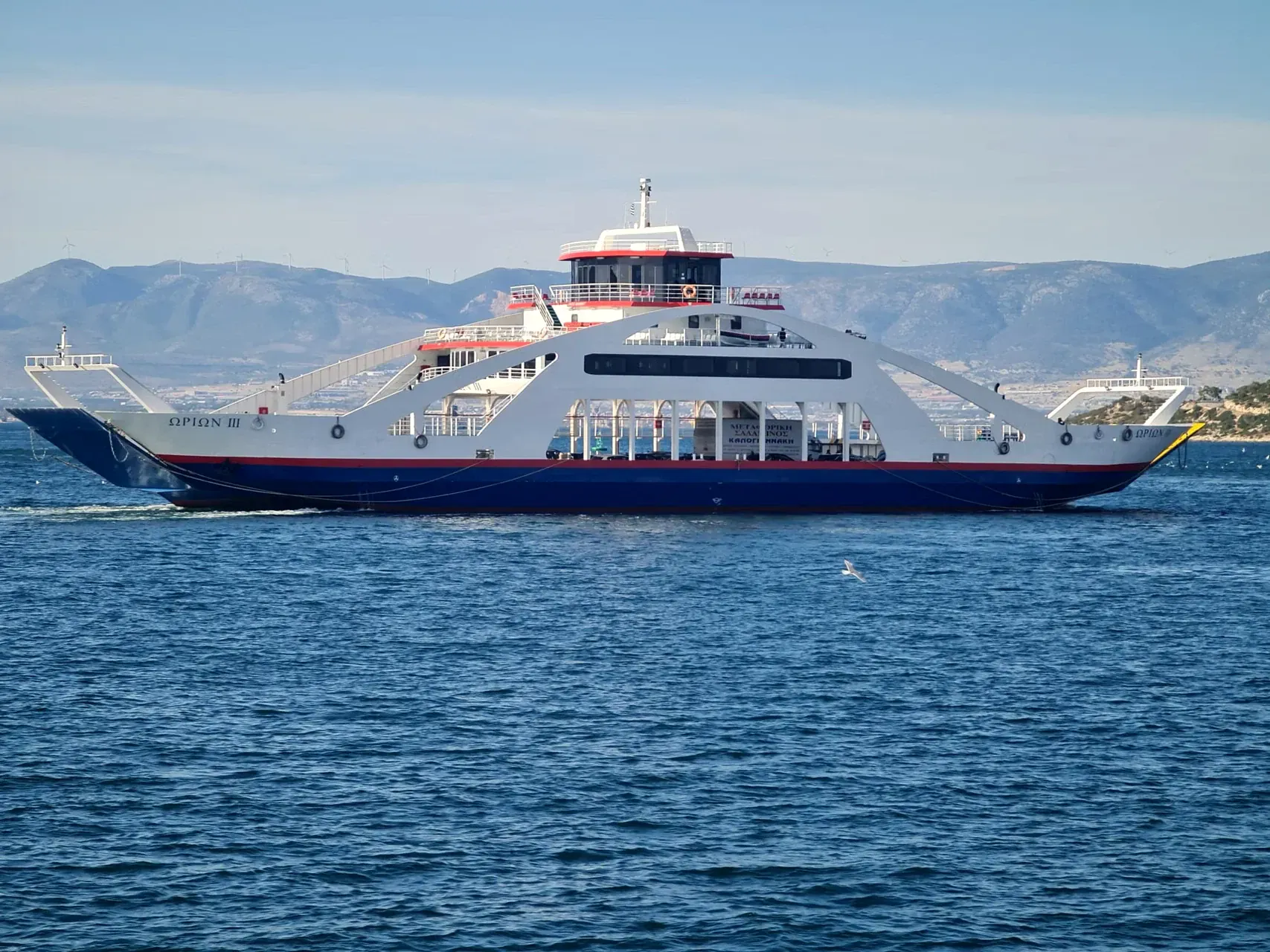
Several companies share the network, and all of them are reputable. The names change little from one year to the next, even if the exact routes shift with the seasons.
- Blue Star Ferries runs the large conventional ferries, roomy and very stable, on most of the main links. It is often the most restful choice.
- Hellenic Seaways combines classic ferries and high-speed craft, with an extensive network in the Cyclades and beyond.
- SeaJets specialises in fast boats: the largest fleet, ideal for short island hops.
- Fast Ferries and Golden Star Ferries mainly serve the Cyclades from Rafina, with a good comfort-to-price ratio.
You do not need to memorise any of this. When you book, you simply compare the timetables and the types of boat available between your two points, and the company name follows.
Conventional or high-speed: choosing for comfort
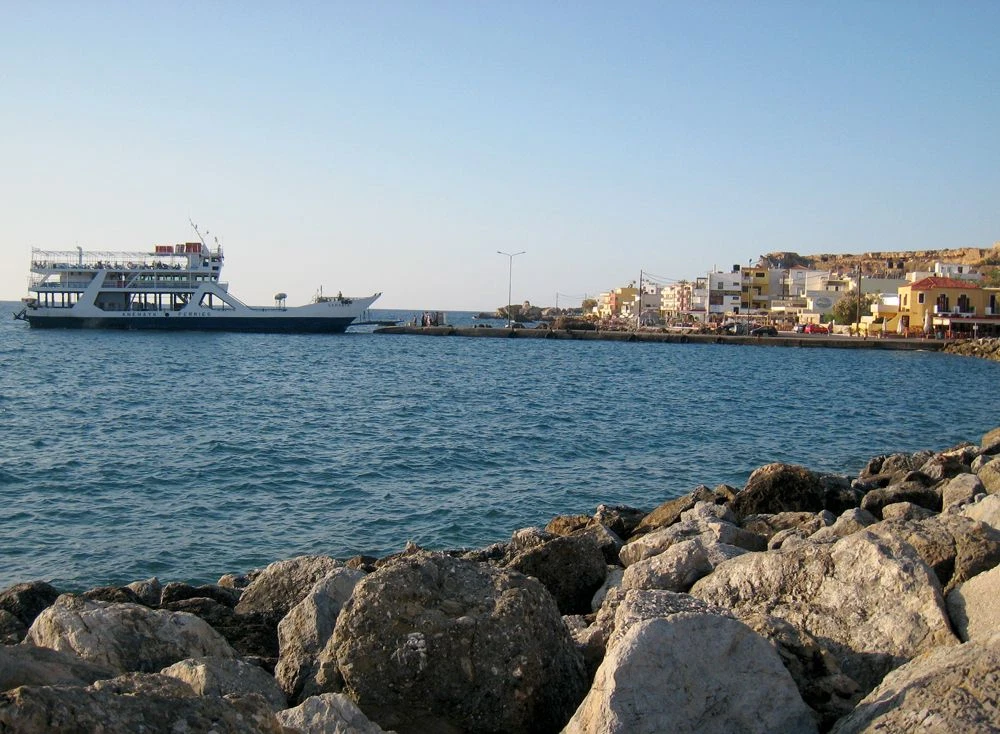
This is the most useful distinction to know, and it has little to do with price.
The conventional ferry is a large vessel that moves along steadily. It is very stable, even when the wind gets up, and you can go out on deck, take the air, watch the wake and the islands slide past. It has lounges, a bar and spacious washrooms. It is the boat we recommend if you care about your comfort, if you are a little wary of the sea, or if you simply want to savour the crossing as a moment of the journey. It takes longer, but that time is pleasant.
The high-speed boat roughly halves the duration. In exchange, you stay inside, in seats close to those of an aircraft, with no free access to an outside deck. When the wind strengthens (the famous summer meltemi in the Cyclades), these craft are also the first to be slowed or cancelled. They remain perfect for a short trip between two neighbouring islands, when gaining an hour or two changes the day.
Our advice for an unhurried trip: favour the conventional boat on long crossings and keep the fast one for short hops.
Booking your ferry: when and how
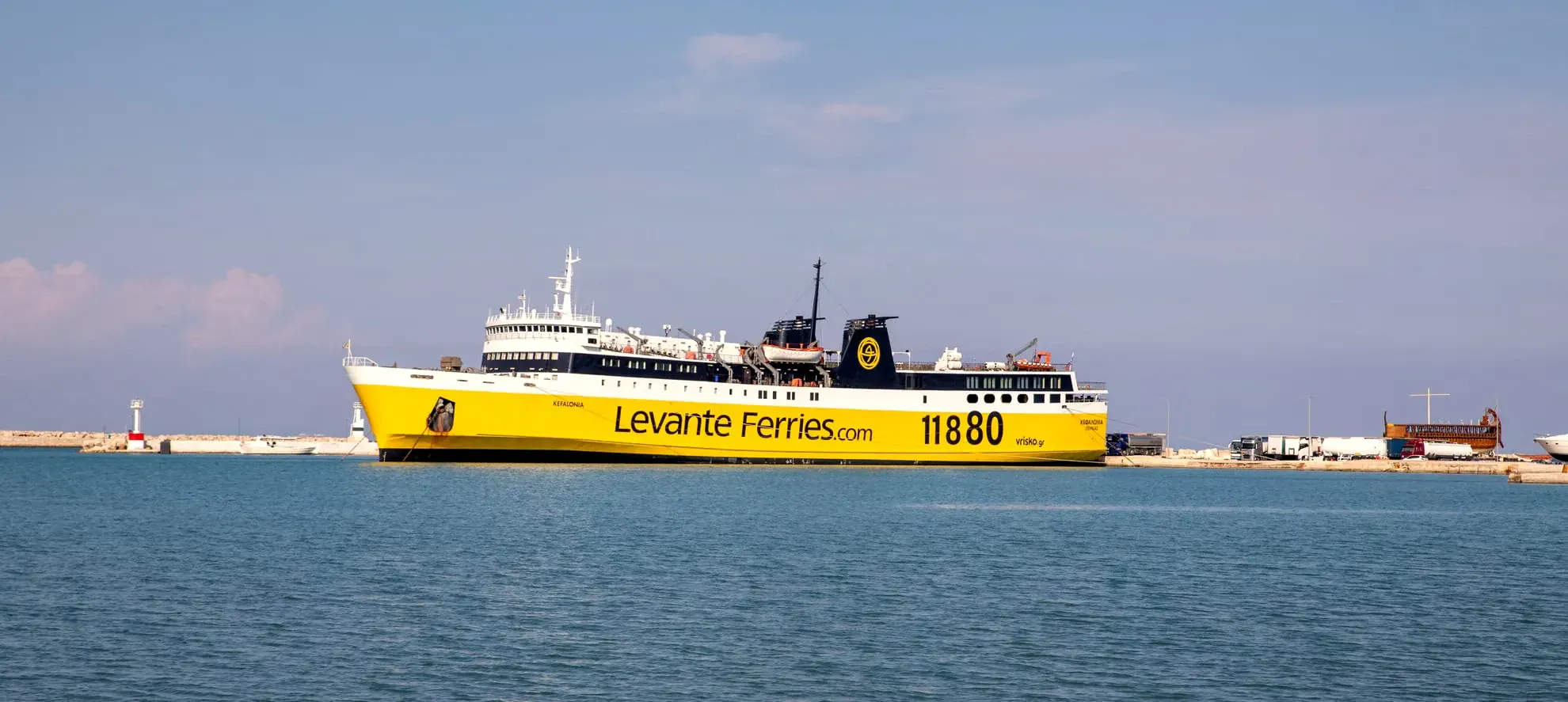
Booking is easy online, and you can also buy tickets from a local agency, of which there are many in the ports and villages.
The question of “when” depends on the season. In July and August, and around long weekends, the most sought-after links (to Santorini, Mykonos, Paros) fill up: better to book ahead, a few weeks in advance if your dates are fixed. In spring and autumn, the network breathes, and you can decide more freely, sometimes the day before. Do leave a margin between your flight arrival and the ferry: a delayed flight should not have you running along the quay.
One reassuring detail: on conventional boats, a “deck” class ticket (the economy fare) gives access to all the communal areas, lounges and terraces included. You are never banished outside. Numbered seats and cabins exist for those who want them, especially on long or overnight crossings.
A crossing is occasionally cancelled because of wind, particularly on the fast boats in midsummer. No cause for worry: your ticket is then refunded or moved, and a conventional service often takes over the same day or the next. It is one of the good reasons to keep a little flexibility in your plans and not to line up connections too tightly.
Travelling well on board: seat, luggage, comfort at sea
A few simple habits make the crossing enjoyable.
Choosing your spot. On a conventional ferry, settle into a lounge near the middle of the boat, where the movement is felt least, or step out onto a deck at the stern, sheltered from the wind. The early hours of the morning often bring a calmer sea and magnificent light.
Luggage. No weighing and no complicated hold as on a plane: you keep your case with you or leave it in a dedicated space as you board. Get to the port about thirty minutes before departure so you can board without hurrying.
Comfort at sea. If you are sensitive to movement, choose a conventional ferry rather than a fast one, sit in the middle of the vessel, keep your eyes on the horizon rather than on your book, and take your usual remedy before departure rather than after. Eat lightly. Most high-season crossings are made on a calm sea. Bad weather is the exception.
The logic of the archipelago: linking islands
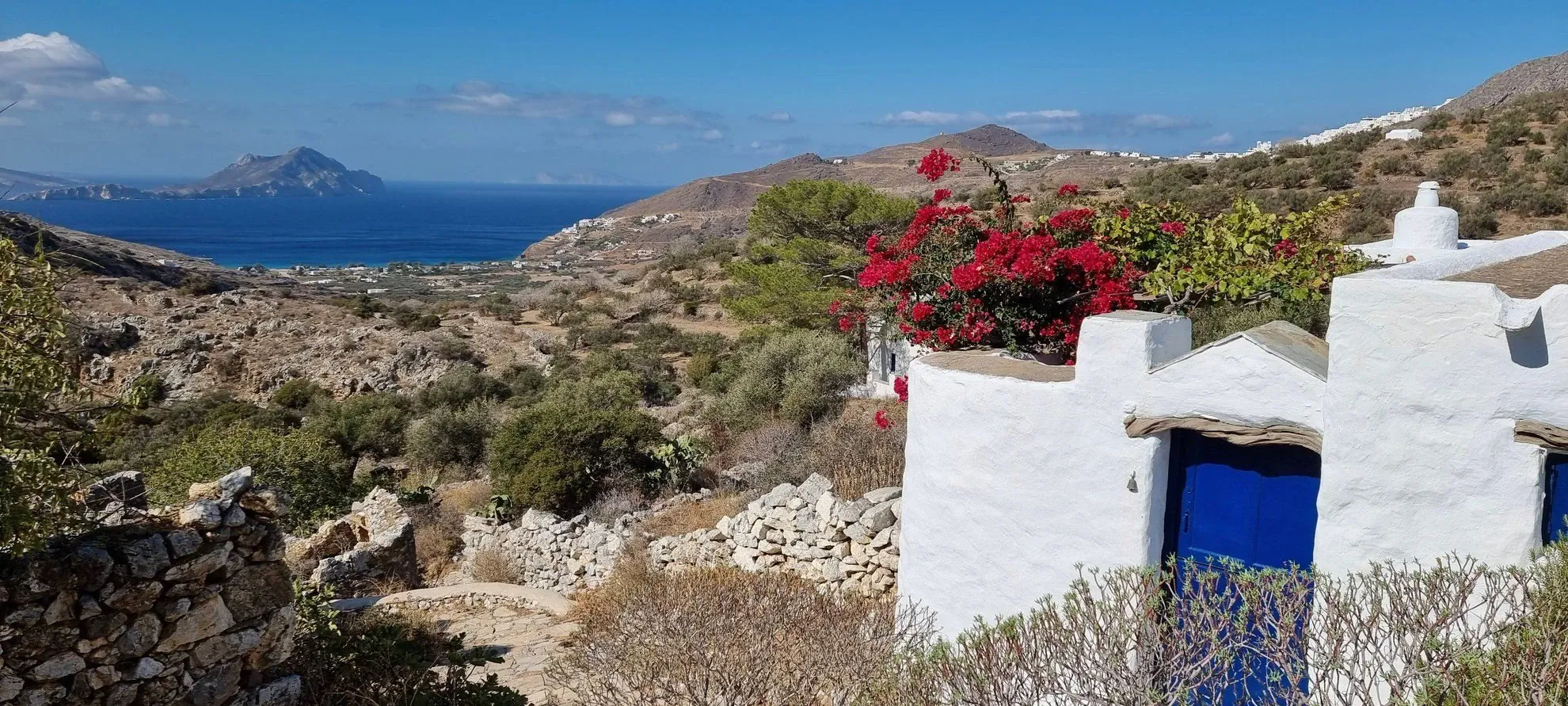
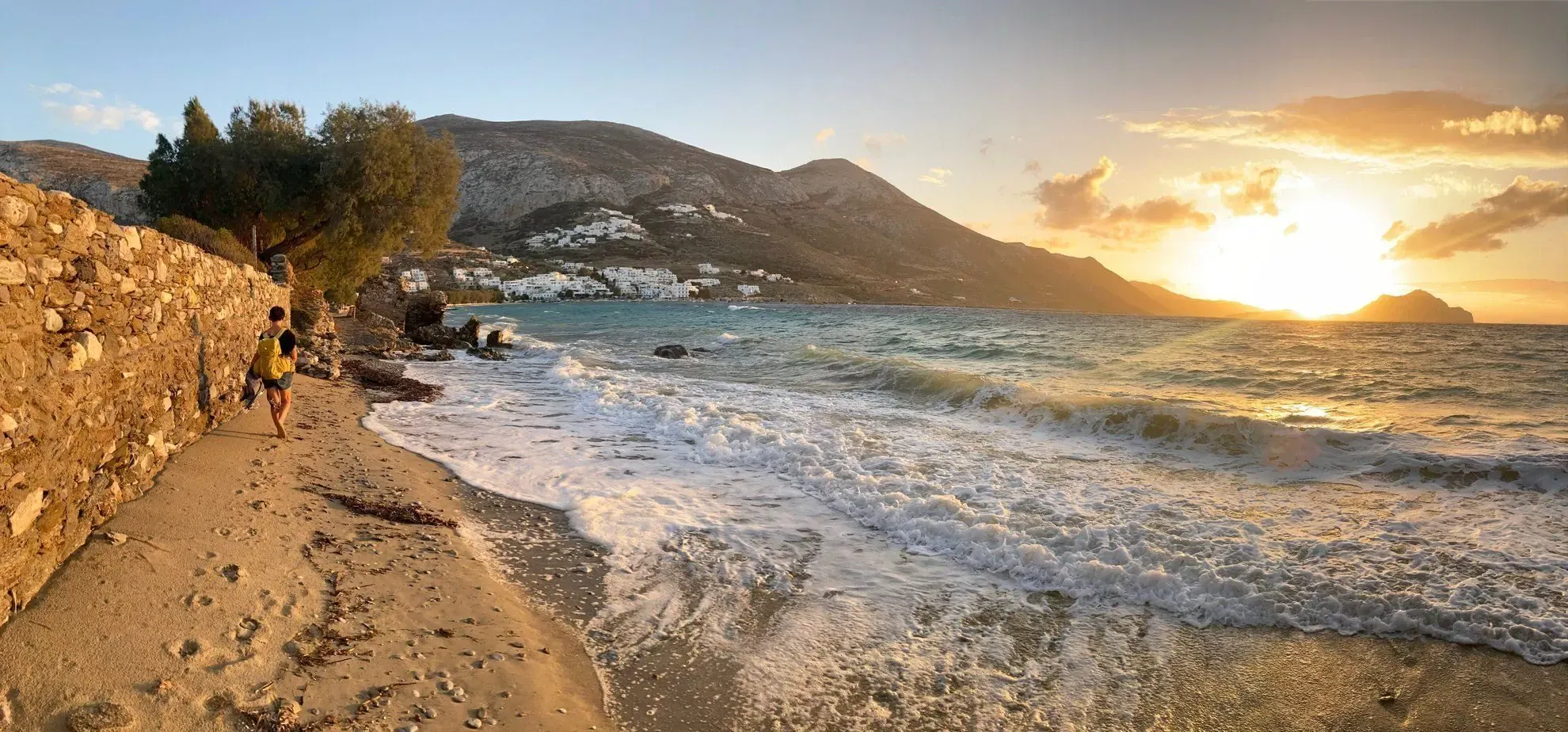
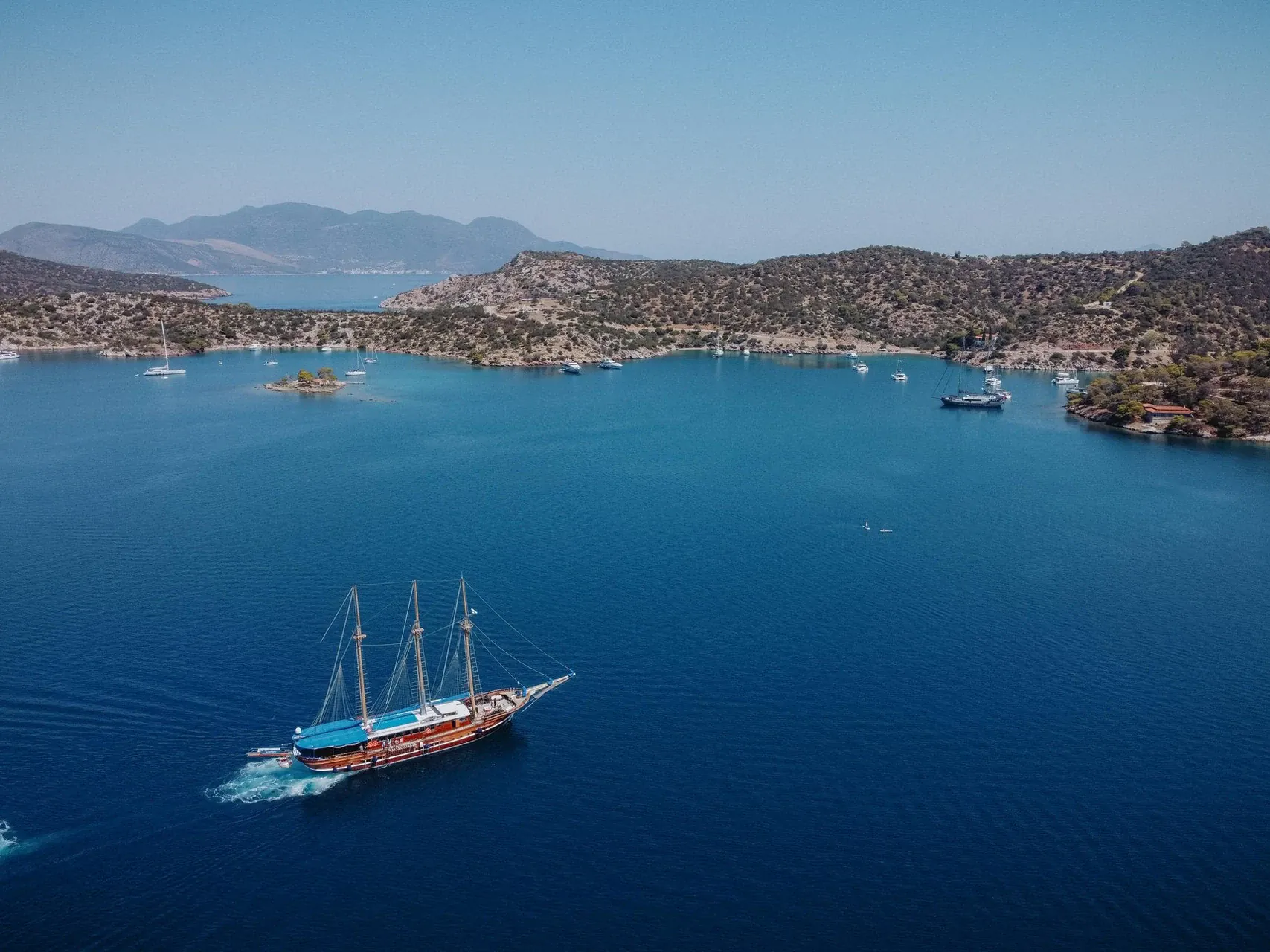
The great pleasure of maritime Greece is linking the islands together. In the Cyclades, the connections are numerous and you move easily from Paros to Naxos, from Naxos to Amorgos, without always going back through Athens. The right approach is to choose two or three islands that make sense together rather than to multiply the stops: you breathe, you take the time for a taverna, a cove, a village. To find your bearings in this archipelago and choose your stages, our guide to the Cyclades gathers our favourites and our advice by season.
In the Ionian Islands, greener, the distances are short: Kefalonia and Ithaca are only about twenty minutes apart by boat, which invites a lovely, unhurried loop.
All of this may sound like a lot to organise. That is precisely what we take on. On our self-guided holidays, you walk and wander at your own pace, and behind the scenes we orchestrate the transfers, the ferries and the logistics so that you have only to step aboard. You get the spirit of our walking holidays without the headache of connections: the right boat, at the right moment, with your case following. The ferry then becomes what it should always be, an interlude facing the Aegean.
Frequently asked questions about ferries in Greece
How do you book a ferry in Greece, and on which website?
The most practical way is to use an online booking platform that compares timetables, companies and boat types between your two ports at a glance, such as Ferryhopper or Direct Ferries. You can also buy your ticket on the company’s own site or from a local agency, of which there are many in the ports and villages. Keep your confirmation on your phone, as collecting a paper ticket is still sometimes required before boarding. On our holidays you do not have to think about any of it: we book the right crossings for you, at the right time.
How much does a ferry crossing to the islands cost?
Fares remain gentle and depend mainly on the distance and the type of boat. Reckon on a few tens of euros in “deck” class on a conventional ferry, for example around €40 to €60 for a long route such as Piraeus to Santorini, and a good deal less for a hop between two neighbouring islands. High-speed boats and overnight cabins come out a little dearer. Booking early in high season often secures the best-value tickets.
Can you reach Greece by ferry from France?
There is no direct sea link between France and Greece. The classic route goes through Italy: you make for an Adriatic port such as Ancona, Bari, Brindisi or Venice, from where ferries reach Igoumenitsa, Patras or Corfu. The crossing lasts from about 9 hours from Bari to more than 20 hours from Ancona, with companies such as Superfast Ferries, Minoan Lines or Grimaldi. To reach the Cyclades or the other archipelagos, however, most travellers prefer to fly to Athens and embark there.
Where can you find a map of the sea links between the islands?
The booking platforms display an interactive map of the routes: you simply enter a departure port to see all the islands served and how often the boats run. There is no single official map, because the links change with the seasons, far more numerous in summer. The best approach is to choose two or three islands that make sense together first, then check the crossings that link them. On our self-guided holidays this groundwork is already done: you receive a clear programme, and we orchestrate the connections.
Your question is not on this list?
Write to us, and we will reply to you personally by email.
Continue reading
- Which Greek island is right for you? The complete guide
- A Cyclades Getaway: between sea and light
- Hiking in Greece: the best trails island by island
- When to Visit Greece: Our Month-by-Month Guide
Article written by
Maria Papadopoulou (Μαρία Παπαδοπούλου)
Editorial lead
I hike, and Greece is the place I keep coming back to. My initial studies (a Master’s in Marketing and a degree in Applied Foreign Languages) taught me how to build an editorial project, and the trails taught me the… Read more